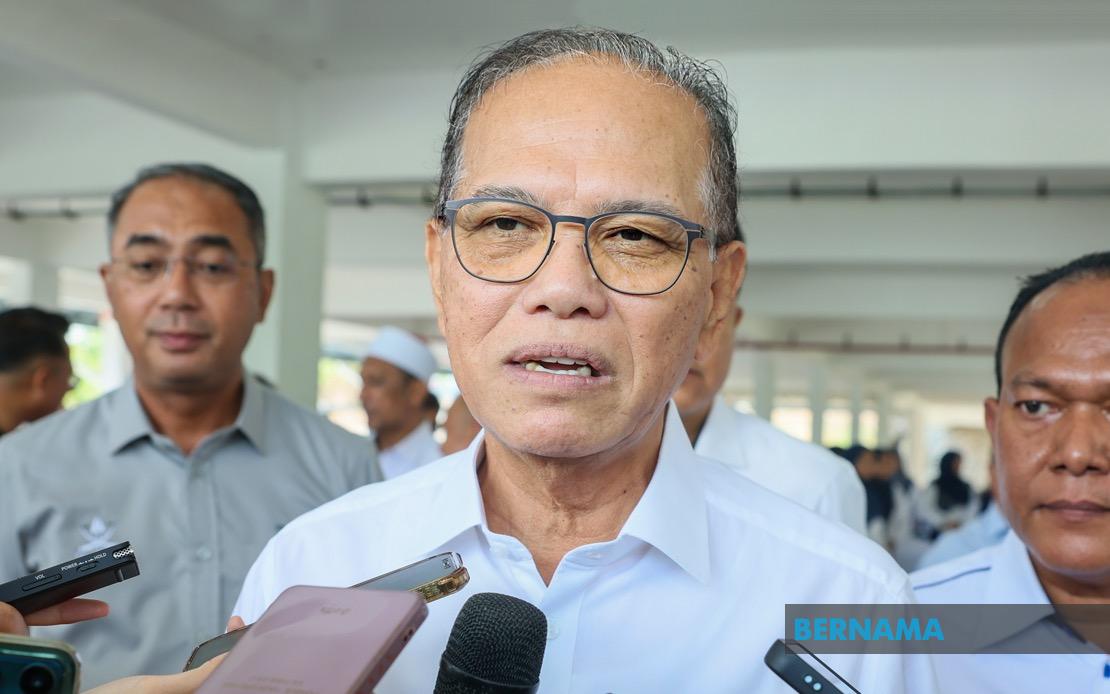
Pahang Menteri Besar Datuk Seri Wan Rosdy Wan Ismail has made a strong appeal to young Orang Asli people to pursue qualifications in Technical and Vocational Education and Training, arguing that such pathways offer meaningful routes to employment and entrepreneurship. Speaking at a graduation ceremony in Kuantan on August 4, Wan Rosdy emphasised that skills-based education has become increasingly critical in today's competitive labour market and should no longer be viewed as an inferior alternative to traditional academic tracks. His remarks came as he presided over the convocation ceremony for 388 graduates from YP Advanced Skills, a significant milestone for the training institution.
The Menteri Besar's intervention reflects growing concerns about educational attainment among Orang Asli communities across Pahang, where approximately 90,000 indigenous people reside. School dropout rates remain a persistent challenge within this demographic, with many young people leaving formal education without acquiring marketable skills or qualifications. By publicly endorsing vocational pathways, Wan Rosdy has attempted to reframe technical education as a legitimate and rewarding option capable of generating real economic advancement for participants. This positioning is particularly important given historical stigmas that have sometimes surrounded non-academic educational routes in Malaysia.
Wan Rosdy expressed optimism that graduates from the YP Advanced Skills programme would function as ambassadors within their own communities, returning to their villages with credentials and experience that could inspire younger generations to remain in education. The multiplier effect of having successful role models from within Orang Asli society itself is significant; when young people see peers who have succeeded through vocational training, they become more likely to pursue similar pathways. This peer-driven encouragement often proves more persuasive than external messaging from government officials or educators who may not share the same cultural background or lived experience.
The distinction between skills qualifications and traditional degrees has become increasingly blurred in the modern economy. Wan Rosdy highlighted that graduates with vocational credentials enjoy genuine flexibility in their career trajectories, with the option to either secure formal employment or establish their own enterprises. This dual pathway is particularly valuable for Orang Asli youth who may wish to maintain connections to their communities while generating income. Skills certifications can facilitate rural entrepreneurship, allowing graduates to return to their villages and create economic opportunities locally rather than being forced into migration to urban centres for work.
YP Advanced Skills' track record in producing graduates with strong employability outcomes demonstrates that technical education institutions in Malaysia can deliver tangible results when properly resourced and managed. The institute's success in combining technical competency with character development suggests a holistic approach to vocational training that addresses not only skills deficits but also workplace readiness and professional conduct. For Orang Asli youth specifically, this comprehensive model may prove especially valuable in bridging the gap between educational achievement and sustained employment.
The scale of the Orang Asli population in Pahang underscores why this issue demands sustained policy attention. With 90,000 indigenous residents across the state, any improvement in educational outcomes or employment rates translates into substantial economic and social benefits. Conversely, continued underinvestment or underutilisation of educational pathways perpetuates cycles of disadvantage within these communities. Wan Rosdy's public statements signal that state-level leadership recognises this responsibility and is willing to champion alternative educational routes that serve populations traditionally underrepresented in higher education.
The emphasis on continuous learning even after completing initial vocational qualifications reflects contemporary workforce realities. Wan Rosdy advised graduates to pursue further studies whenever feasible, acknowledging that the most successful careers typically involve ongoing skill development and progression. For Orang Asli graduates in particular, this message is important because it encourages them to view initial vocational qualifications not as endpoints but as foundations upon which further advancement can be built. Progression pathways from diplomas to degree-level qualifications exist in Malaysia's education system, and greater awareness of these routes could unlock additional opportunities.
The convocation ceremony itself represents institutional validation of Orang Asli achievement. By having the state's chief minister preside over the graduation and publicly celebrate the graduates' accomplishments, YP Advanced Skills has elevated the prestige of vocational credentials within the eyes of the community. Such ceremonial recognition, though sometimes overlooked in policy discussions, plays a meaningful role in reshaping social perceptions about the value and respectability of skills-based qualifications. When indigenous youth see their peers celebrated at formal state events, it reinforces the legitimacy of their chosen educational pathway.
The broader context of skills development in Southeast Asia suggests that Malaysia's focus on vocational training aligns with regional workforce trends. As economies across the region increasingly emphasise technical skills in areas ranging from renewable energy to digital technology, ensuring that Orang Asli communities have equitable access to quality TVET becomes not merely a matter of social equity but also economic necessity. Failing to include indigenous populations in skills development risks both perpetuating marginalisation and wasting potential human capital that the economy requires.
Implementing Wan Rosdy's vision will require sustained effort beyond rhetorical endorsement. Accessibility remains a critical barrier for many Orang Asli youth, with geographic remoteness, limited transport infrastructure, and financial constraints potentially limiting enrolment in programmes like YP Advanced Skills. Furthermore, counselling and awareness-raising within schools and communities must reach students at decision-making points in their educational journeys. Effective implementation would benefit from coordination between state education departments, training providers, and community organisations that can help identify and support eligible candidates.
The call for Orang Asli graduates to become role models in their communities represents a culturally sensitive approach to education policy. Rather than imposing external solutions, this strategy leverages the influence of successful community members to drive change from within. Such peer-driven approaches have historically proven more effective in generating sustained behavioural change than top-down mandates. As more Orang Asli individuals complete vocational qualifications and demonstrate their economic value, normalisation of these pathways should accelerate organically.
Looking forward, the success of initiatives like YP Advanced Skills and the uptake of Wan Rosdy's message will depend on visible employment outcomes for graduates. The promise of vocational education must be matched by actual job placements and entrepreneurial successes. Government, educational institutions, and employers must work collaboratively to ensure that graduates transition smoothly from training to meaningful work. For Orang Asli communities that have historically faced employment discrimination, such institutional commitment becomes even more essential to realising the potential of skills-based education.

