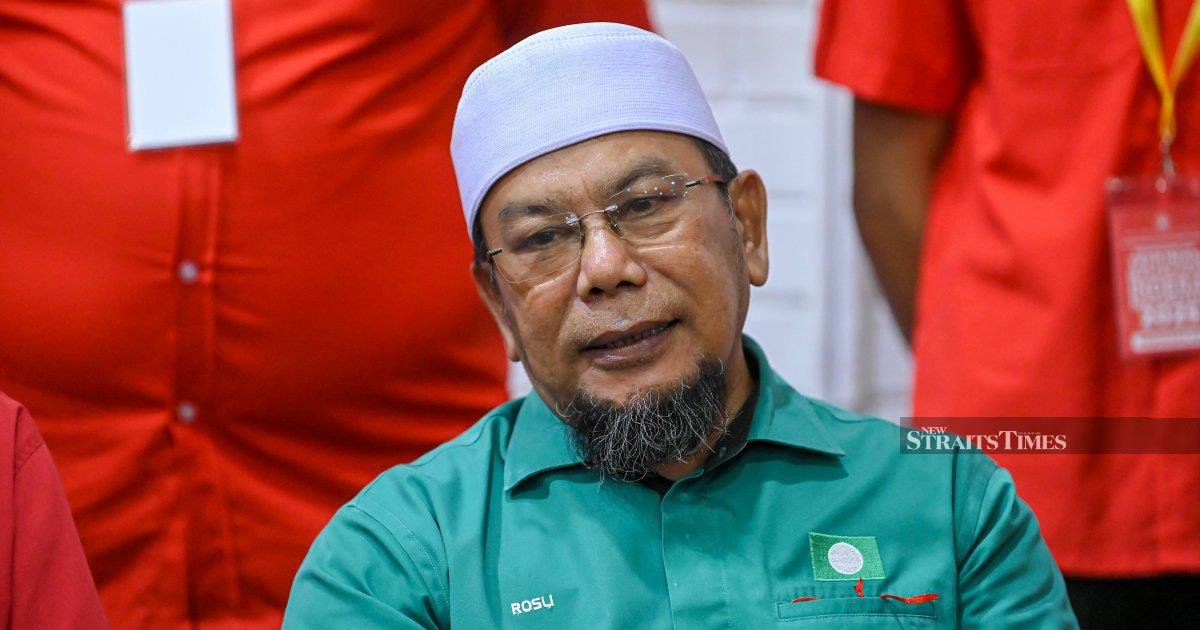
The political landscape in Pahang is shifting once again as PAS made overtures towards potential cooperation with Umno, marking a notable softening in rhetoric between the two Islamist-leaning and Malay-Muslim parties. This development arrives at a particularly delicate moment for state politics, where both parties have competing interests and historical grievances that could either be bridged or exploited during electoral negotiations.
PAS leadership in Pahang has publicly indicated that discussions with Umno remain possible, positioning itself as the pragmatic actor willing to engage in constructive dialogue. The party's apparent openness suggests that ideological differences or previous clashes may not be insurmountable obstacles if broader political benefits emerge from collaboration. However, the qualifier of maintaining an open door represents only the first step in what could become complex negotiations, laden with conditions, seat allocation demands, and broader strategic considerations that extend beyond Pahang's borders.
The timing of this outreach carries significance within the context of Malaysian politics. Both PAS and Umno have experienced internal upheaval and shifting coalitions at the federal level, which naturally creates pressure for state-level alignment. For Pahang specifically, a unified Malay-Muslim political front could consolidate substantial electoral strength, particularly in rural constituencies where both parties have traditionally performed well. This consolidation could prove decisive in determining which coalition forms the next state government.
Historical tensions between the two parties cannot be dismissed lightly when evaluating the credibility of cooperation proposals. Previous disputes over seat distribution, ideological positioning, and resource allocation have fractured partnerships before. PAS's more Islamist-focused approach sometimes conflicts with Umno's more establishment-oriented governance style, creating friction that resurfaces whenever electoral arrangements require compromise on either side's preferences or priorities.
The alternative scenario—an electoral clash between PAS and Umno—would fundamentally reshape Pahang's political competition. Should negotiations fail or positions prove irreconcilable, both parties would enter elections as competitors rather than allies, fragmenting the Malay-Muslim vote and potentially opening space for opposition parties to gain inroads. This outcome would mark a significant shift from the relatively predictable patterns that have characterised Pahang politics in recent election cycles, introducing volatility that could benefit well-organised opposition movements.
For Malaysian political observers, the Pahang dynamic reflects broader patterns of coalition flexibility at state level. Unlike some state governments where alignments have solidified, Pahang retains fluidity, with parties periodically recalculating their strategic positions based on evolving circumstances. The current opening by PAS suggests internal calculations that cooperation offers better prospects than competitive positioning, though this assessment could change rapidly if federal-level developments create new pressures or opportunities.
The economic dimensions of this political calculation merit attention as well. Control of state government brings access to significant resources, development projects, and patronage networks that matter deeply to party members and supporters. PAS and Umno both have bases that benefit from state investment and contracts, creating material incentives that supplement ideological or strategic considerations. Cooperation allows both parties to share these benefits, while competition risks dividing them inefficiently between parties and opposition actors.
Regional implications extend beyond Pahang's borders. Neighbouring Terengganu has seen its own complex arrangements between PAS and other parties, and developments in Pahang will likely influence calculations elsewhere in the region. A successful PAS-Umno partnership in Pahang could serve as a template for other state-level alignments, while acrimonious competition would signal that such cooperation remains fraught with difficulties even for parties with shared constituencies and ideological foundations.
For ordinary Pahang residents, the political positioning of PAS and Umno affects immediate concerns including state development priorities, governance focus, and resource allocation. A unified government could potentially advance long-term strategic plans without constant political obstruction, whereas coalition-building under divided control creates compromise but also introduces gridlock. The choice between cooperation and competition thus has tangible consequences for state performance across education, infrastructure, commerce, and public administration.
The PAS overture towards Umno also reflects internal party dynamics and member expectations. Senior figures within PAS require victories and influence to maintain their positions and reward loyal supporters. Cooperation that delivers state-level control satisfies these requirements, while electoral losses would generate internal dissent and questions about leadership competence. This internal political pressure reinforces incentives for constructive engagement with potential partners.
Looking forward, the question of whether this opening leads to genuine cooperation or merely tactical positioning will become clearer during formal negotiations, should they materialise. Key issues including seat distribution, policy priorities, candidate selection, and leadership roles within any joint administration will reveal whether fundamental compatibility exists or whether the current rhetoric masks deeper incompatibilities. The coming weeks and months will test whether PAS's signal of openness translates into concrete political arrangements or dissolves into electoral confrontation.

