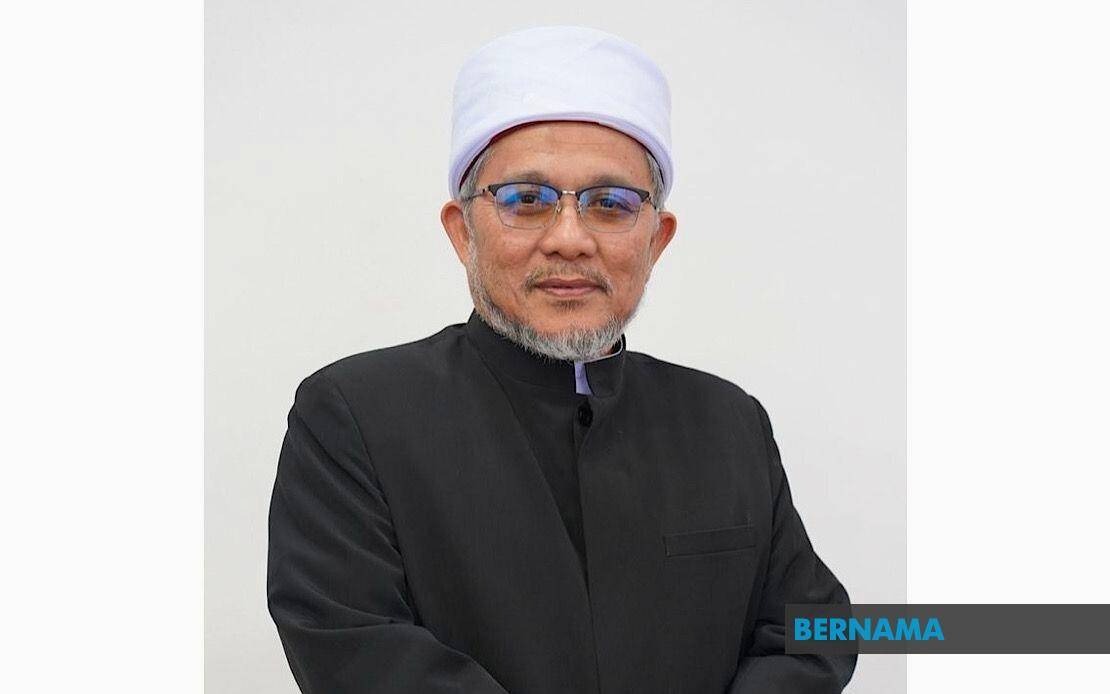
The Pahang State Mufti Department and the Pahang Islamic Religious and Malay Customs Council have reiterated the Sultan of Pahang's directive prioritising mosques and suraus as the central institutions for religious observance across the state, signalling a measured stance against expanding Friday prayer venues into commercial spaces.
Pahang Mufti Prof Datuk Dr Asmadi Mohamed Naim articulated the sultanate's position in a formal statement, emphasising that Al-Sultan Abdullah Ri'ayatuddin Al-Mustafa Billah Shah had reviewed proposals circulating nationally to establish Friday prayer facilities within shopping mall environments. Rather than embracing this modernisation concept, the Pahang leadership has chosen to consolidate its existing religious infrastructure.
The state's governing principle establishes that Friday congregations must continue taking place exclusively within mosques and suraus that hold official authorisation to conduct such prayers, known locally as SKJ facilities. This categorical position reflects a constitutional interpretation that vests control over religious institutions with state authorities rather than private commercial entities.
A significant constitutional dimension underpins this reaffirmation. Under the Ninth Schedule of the Federal Constitution, mosques and suraus remain designated state responsibilities rather than federal matters. Consequently, the Pahang Islamic Religious and Malay Customs Council derives its jurisdictional authority from the Sultan as the custodian of religious affairs within the sultanate, providing legal foundation for the council's regulatory oversight.
The Mufti emphasised that Pahang's mosque and surau distribution network already reflects comprehensive community assessment and demographic consideration. This planning approach ensures existing facilities adequately serve congregational needs without requiring supplementary prayer venues in commercial zones. The state can point to flagship institutions including the Sultan Ahmad 1 State Mosque in Kuantan, the Tepian Putra Mosque, the anticipated Bandaraya Mosque opening, and Al-Shafie Mosque in Kota SAS as evidence of strategic religious infrastructure development.
Shariah compliance remains central to the Pahang determination. Under the Syafi'i Islamic school of jurisprudence, which predominantly governs Malaysian Islamic practice, Friday prayers require strict fulfilment of multiple conditions that fundamentally challenge commercial venue adaptation. These include mandatory performance during the Zohor prayer period, minimum attendance thresholds of at least 40 congregants, prerequisite two-sermon format, and designation of a formally established prayer space that prevents congregation overlap with proximate prayer facilities.
The shopping mall proposal itself emerged from positive reception in certain Federal Territory locations, where selected commercial establishments hosted Friday prayers successfully. Minister Datuk Dr Zulkifli Hasan, serving in the Prime Minister's Department overseeing Religious Affairs, had publicly welcomed state-level initiatives to replicate this model following encouraging community feedback from federal capital experiments. This ministerial endorsement created momentum toward broader national implementation.
Pahang's rejection of the shopping mall framework represents a deliberate divergence from this trajectory. The state has calculated that maintaining traditional mosque-centred religious life better serves both spiritual objectives and social cohesion. Commercial spaces, regardless of logistical advantages, fundamentally alter the character and sanctity surrounding congregational prayer, potentially transforming a spiritual obligation into transactional activity occurring in profit-oriented environments.
The timing of Pahang's reaffirmation carries significance beyond mere institutional preference. It reflects broader tension between modernisation pressures seeking to integrate Islamic practice into contemporary urban convenience and traditionalist commitments to preserving distinctly religious spatial domains. By anchoring its position explicitly to the Sultan's authority and constitutional prerogatives, Pahang demonstrates how state-level Islamic governance can resist federal-level initiatives while maintaining formal deference to national leadership.
For Malaysian Muslims navigating increasingly complex urban landscapes, this declaration confirms that state authorities retain ultimate discretion over religious infrastructure development. Worshippers in Pahang will continue relying on established mosque and surau networks rather than adapting Friday prayer schedules to shopping mall hours, preserving the spatial separation between commerce and sacred observance that Islamic jurisprudence traditionally emphasises.
The Pahang position also illuminates intergovernmental religious governance dynamics across Malaysia's federal system. While the Religious Affairs Ministry can encourage innovation, state religious councils maintain constitutional authority to implement or reject proposals within their jurisdictions. This equilibrium prevents uniform nationalisation of Islamic practice while allowing diversity in state-level approaches to contemporary religious challenges.

