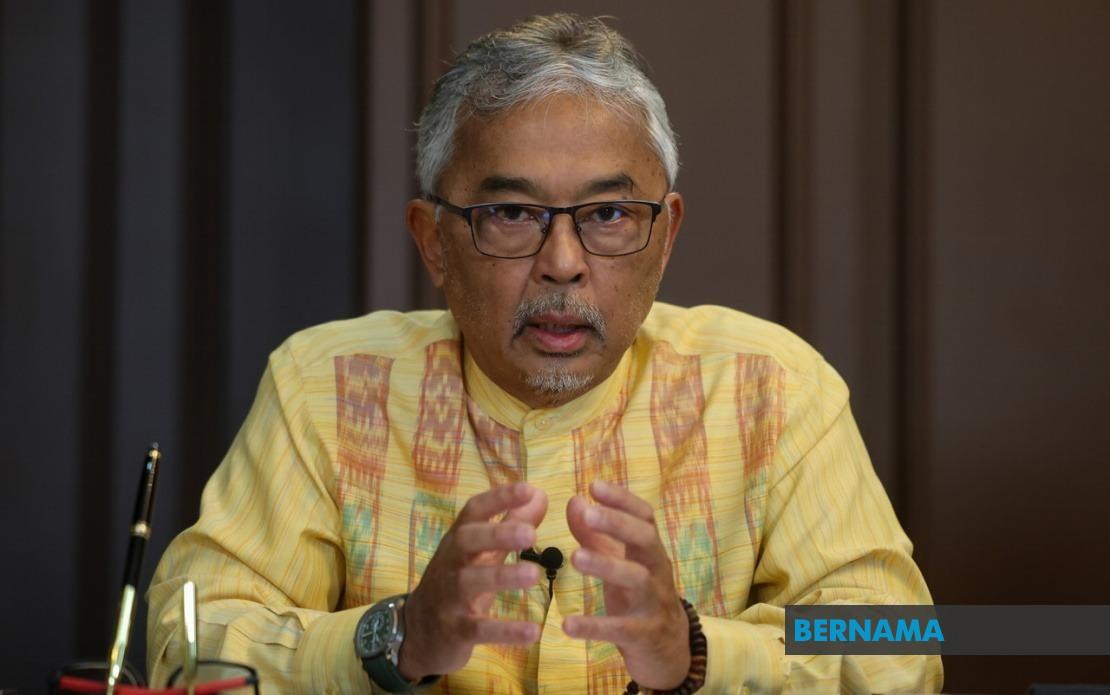
The Sultan of Pahang, Al-Sultan Abdullah Ri'ayatuddin Al-Mustafa Billah Shah, has issued a directive requiring all local authorities throughout the state to systematically evaluate large and deteriorating trees that present potential threats to public safety. This royal command comes in response to a series of incidents where fallen trees have caused fatalities and injuries to residents, prompting heightened concern for preventive measures across Pahang's municipalities.
The scope of the assessment initiative is notably comprehensive, extending to all tree risks in spaces frequented by the public. Local authorities have been instructed to focus specifically on vegetation in public parks and recreational areas, stretches along major and minor roads, residential neighbourhoods, and any other locations where communities regularly congregate. The emphasis on thoroughness reflects the recognition that tree hazards can emerge unexpectedly in numerous settings, demanding vigilant oversight rather than reactive intervention.
A critical element of the Sultan's directive is the insistence on regular and sustained inspections rather than one-off evaluations. This operational framework acknowledges that tree conditions deteriorate progressively, and environmental factors such as age, disease, root instability, and weather exposure create evolving risks that require continuous monitoring. By establishing a rhythm of periodic assessments, local authorities can detect early warning signs before structural failure occurs, allowing time for preventive intervention.
The royal statement emphasises the imperative of immediate action once hazards are identified. Rather than permitting local authorities to catalogue risks and defer remedial measures, the Sultan has made explicit that follow-up action must be taken without delay. This approach prioritises swift decision-making and execution, recognising that delays in removing or trimming dangerous trees substantially increase the window during which incidents could occur.
The underlying motivation for this directive reveals important context about recent events in Malaysia. Several high-profile incidents involving fallen trees have claimed lives and caused serious injuries to members of the public, generating broader awareness about the adequacy of municipal vegetation management. Such incidents, which can occur without warning, underscore the vulnerability of communities when tree maintenance is neglected or deferred. The Sultan's intervention signals that state leadership views public safety and preventive governance as interconnected responsibilities.
For local authorities across Pahang, the directive creates both operational and budgetary implications. Comprehensive tree assessment programmes require trained personnel, specialised equipment, and financial allocation for remedial work. Authorities must develop systematic approaches to inventory trees, evaluate their structural integrity, and prioritise removal or treatment based on risk assessment protocols. This represents a significant operational undertaking, particularly for smaller municipalities with limited resources.
The emphasis on preventing incidents before they occur rather than managing consequences reflects a shift toward proactive governance. This preventive philosophy acknowledges that treating fatalities and injuries as inevitable costs of municipal operations is unacceptable, and that investing in advance risk identification and mitigation represents sound public administration. For Malaysian readers familiar with rapid urbanisation and changing weather patterns, the relevance is particularly acute, as older trees increasingly coexist with expanding residential and commercial infrastructure.
The directive carries implications extending beyond Pahang alone. Other Malaysian states and local authorities may observe this royal initiative and assess whether comparable programmes would benefit their own jurisdictions. As climate patterns shift and extreme weather events become more frequent, the visibility of tree-related hazards has increased nationwide. Pahang's formal response could establish a template for municipal governance elsewhere in the region.
Implementation challenges will likely emerge as local authorities develop assessment methodologies. Determining which trees pose genuine risks versus those that merely appear aged or unhealthy requires expertise and consistency. False positives could result in unnecessary removal of healthy trees, while false negatives leave genuine hazards in place. Training programmes and the establishment of standardised evaluation criteria will prove essential to ensuring that assessments achieve their safety objectives.
The Sultan's statement also reflects broader themes about governance responsibility and public trust. When leadership visibly prioritises citizen safety through concrete administrative action, it reinforces public confidence in institutional competence. Conversely, if incidents persist despite such directives, public perception of local authority effectiveness may suffer. The royal intervention thus creates both opportunity and accountability for Pahang's municipalities.
Financial realities will shape implementation timelines. Comprehensive tree removal and treatment can be expensive, and local authorities may face difficult choices between competing budgetary priorities. State-level support or additional funding allocations might be necessary to enable smaller municipalities to execute the directive comprehensively. The extent of financial backing provided will likely determine how swiftly and thoroughly assessments proceed.
Beyond the immediate safety benefits, formalising tree assessment procedures establishes institutional practices that can persist beyond the current directive. Once systems for tree inventory, evaluation, and maintenance are established and embedded in municipal operations, they become routine rather than exceptional. This normalisation of preventive tree management could yield long-term benefits for public safety across Pahang's communities.
The directive ultimately represents an assertion that protecting public safety from preventable environmental hazards constitutes a core function of municipal governance. By positioning tree assessment and maintenance as a priority mandate rather than an optional programme, the Sultan has signalled that Pahang's local authorities must dedicate resources and attention to this domain. Success will depend on how thoroughly municipalities translate the royal directive into operational reality and sustained practice.

