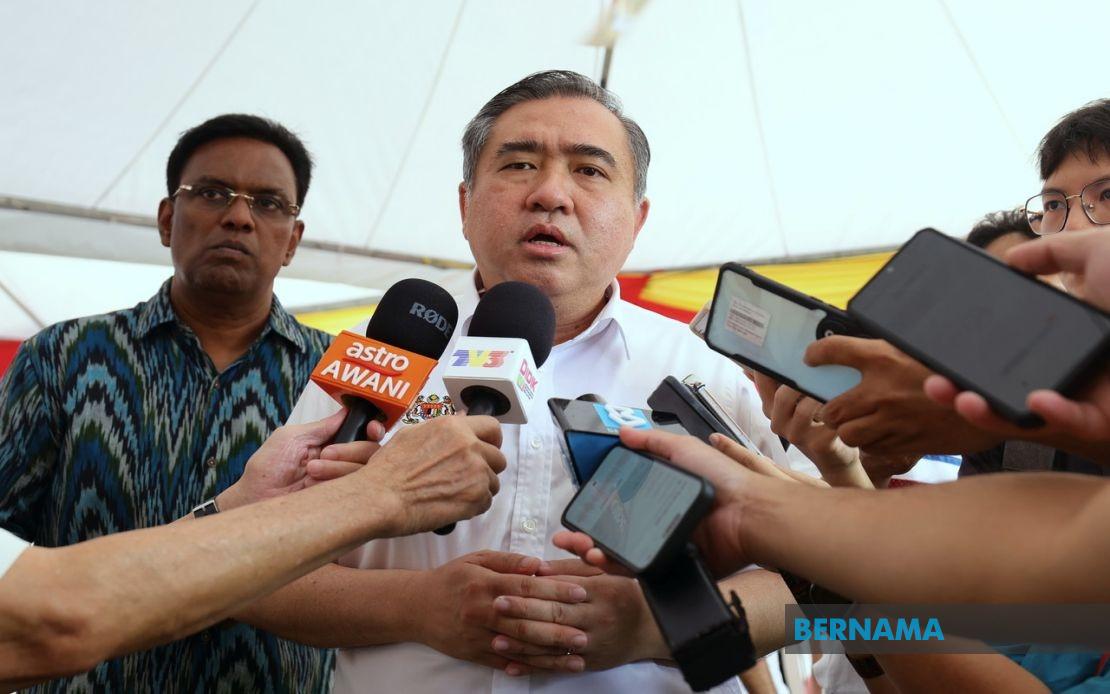
Pakatan Harapan has declared itself prepared to navigate whatever political formations its opponents may forge, including a potential alliance between Barisan Nasional and Perikatan Nasional, as the coalition gears up for the Negeri Sembilan state election. DAP secretary-general Anthony Loke made this declaration while officiating development programmes in Seremban on July 16, signalling that the ruling coalition has learnt from recent electoral contests and will not be caught off-guard by last-minute tactical manoeuvres.
The backdrop to this statement is the acknowledged possibility of closer cooperation between BN and PAS over seat allocations and constituency negotiations in Negeri Sembilan, a development that could reshape the electoral landscape. Such alliances have become a recurring feature of Malaysian electoral politics, particularly following the fluid coalition dynamics that emerged after the 2018 general election. Loke's measured response suggests that PH has already war-gamed various scenarios and believes its position remains defensible provided the coalition maintains internal cohesion.
Loke pointed to the Johor state election as evidence that PH will not be destabilised by opposition manoeuvres. In that contest, the coalition faced similar predictions of electoral vulnerability, yet maintained its position through disciplined campaigning and concentrated messaging. He emphasised that rather than expending energy responding to every opponent move, PH would channel resources into solidifying its ground machinery and reinforcing the bonds between its component parties, recognising that divisive internal dynamics have historically proved more damaging than external competition.
The Transport Minister acknowledged the keenly contested nature of the upcoming election while addressing speculation about potential shifts in voter demographics, particularly concerning Chinese voter support potentially flowing toward opposition parties such as MCA. Rather than dismiss such claims outright, Loke adopted a pragmatic stance, noting that pre-election pronouncements about voter loyalty matter far less than actual ballot-box results. This reflects a broader recognition within PH that while traditional voter blocs remain important, their behaviour has become increasingly volatile in recent years.
A central plank of PH's campaign strategy centres on the incumbent Negeri Sembilan state government's record under Menteri Besar Datuk Seri Aminuddin Harun since 2018. The coalition intends to leverage the administration's developmental achievements and policy implementation as its primary asset in securing continued public confidence. In a state where incumbent governments have generally maintained their grip on power, this performance-based argument carries considerable weight, provided local residents perceive tangible improvements in service delivery and living standards.
Loke, himself the incumbent assemblyman for Chennah, underscored the importance of consolidation within PH's ranks. Component parties must present unified positions on key issues and coordinate effectively at the grassroots level, where electoral contests are ultimately decided. The potential entry of additional opposition forces into the contest makes internal unity even more critical, as any perception of discord between PKR, DAP, Amanah, or other coalition partners could be ruthlessly exploited by rivals seeking to peel away discontented voters.
Separately, Loke addressed the fallout from Melaka DAP's withdrawal from the state administration over the contentious appointment of nominated assembly members. He characterised the decision as final and irreversible, with the state government having subsequently reorganised seating arrangements in the State Legislative Assembly. While the Melaka situation remains a separate matter from the Negeri Sembilan contest, it illustrates the internal pressures and governance complexities that coalition partners must navigate, and potentially signals to voters concerns about coalition cohesion at the state level.
Addressing criticism that development initiatives represent mere electioneering timed to campaign schedules, Loke defended the MADANI Adopted Village, MADANI Adopted School, and Santuni MADANI programmes as sustained government functions rather than seasonal gestures. He stated that these initiatives have operated continuously across ministries since 2025 with the objective of systematically upgrading rural infrastructure and basic village facilities. The programmes represent an attempt by PH to demonstrate tangible governance delivery beyond campaign rhetoric, with specific projects selected in areas such as Kampung Baru Mantin and Sekolah Jenis Kebangsaan Cina Chung Hua Mantin serving as concrete examples.
For Malaysian observers, the Negeri Sembilan contest assumes broader significance as a bellwether for coalition dynamics. How effectively PH manages internal differences, whether opposition alliances prove stable, and whether voter sentiment shifts toward or away from the incumbent coalition will provide valuable insights into Malaysia's evolving political landscape. The state has traditionally favoured incumbent governments, yet the proliferation of coalition options and the demonstrated willingness of opposition blocks to cooperate suggests that the coming election will test whether PH can maintain its position or whether new alignments will reshape state-level politics.

