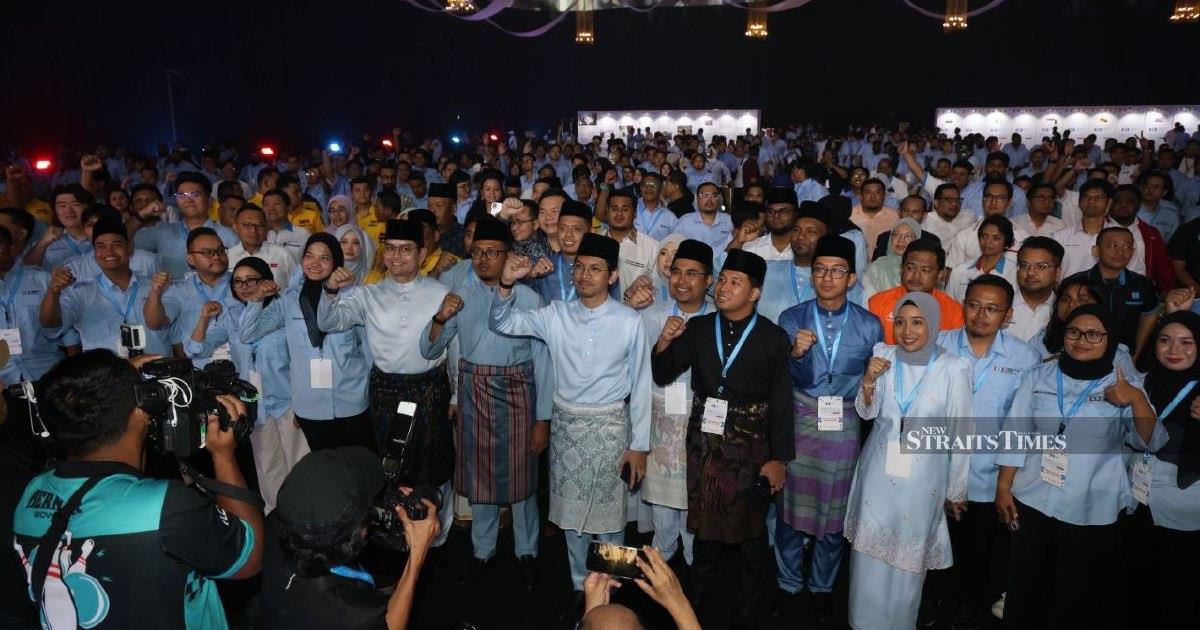
Pakatan Harapan must take responsibility for its electoral setbacks in Johor and Negri Sembilan rather than directing criticism at voters, according to Muhammad Kamil Abdul Munim, the youth wing chief of PKR. Speaking at Ayer Keroh, Kamil emphasised that the coalition's poor performance reflects internal organisational challenges and policy implementation gaps that the leadership needs to confront directly.
The recent state elections represented a significant test of public confidence in the coalition, which has faced mounting scrutiny over governance, resource management, and its ability to translate campaign promises into tangible benefits for ordinary Malaysians. Kamil's comments signal growing pressure within the party hierarchy to acknowledge that voter dissatisfaction stems from genuine grievances rather than misunderstanding or misinformation.
This assessment carries particular weight coming from the PKR Youth leadership, as younger party members have been instrumental in mobilising grassroots support during campaigns. Their willingness to acknowledge voter concerns rather than dismiss them suggests a faction within the coalition recognises the need for substantial internal recalibration. The youth wing's perspective often reflects frontline feedback from communities that have interacted directly with party machinery during electoral efforts.
For Malaysian voters broadly, Kamil's stance represents a refreshing departure from the defensive posturing sometimes exhibited by political leaders when facing electoral disappointment. Rather than attributing losses to external factors or voter ignorance, the PKR Youth chief's position acknowledges that electoral outcomes reflect genuine assessments of government performance and coalition effectiveness. This approach creates space for legitimate self-critique within PH's structures.
The coalition's challenges extend beyond recent state contests. Pakatan Harapan has struggled to maintain the unity and momentum that characterised its 2018 electoral breakthrough, with factional tensions, leadership disputes, and policy disagreements occasionally dominating headlines at the expense of positive governance narratives. Rebuilding voter trust will require demonstrable improvements in these areas alongside clearer communication about policy achievements and future direction.
Kamil's remarks also underscore a significant generational divide within Malaysian politics. Younger party activists and voters increasingly demand substantive engagement on issues affecting their lives—employment, housing affordability, education quality, and environmental sustainability—rather than abstract ideological positioning. The PKR Youth chief's emphasis on earning back confidence through action aligns with this emerging constituency's expectations.
The path forward for Pakatan Harapan involves several interconnected challenges. First, the coalition must project internal cohesion and demonstrate that its component parties can collaborate effectively on shared governance objectives. Second, it needs to articulate a compelling vision for how PH governments would address specific issues differently from competing coalitions. Third, the party machinery requires organisational strengthening to ensure electoral promises translate into community-level delivery.
Regional context matters significantly here. In Southeast Asia, several governing coalitions have faced similar voter backlash when campaign messaging diverged markedly from implementation reality. The ability to narrow this gap between promise and delivery often determines whether parties can regenerate electoral support after initial setbacks. Kamil's acknowledgement that PH must rebuild rather than blame creates an opening for this process to begin.
For Malaysian voters observing this internal PH discussion, the relevance is straightforward: political parties that take electoral defeats as feedback rather than rejections tend to respond more effectively to constituent needs. Kamil's position suggests at least part of PKR's leadership recognises this principle and is prepared to advocate internally for the changes necessary to restore public confidence.
The coalition faces specific challenges in Johor and Negri Sembilan that require tailored responses. These states have distinct demographic compositions, economic profiles, and political cultures that demand nuanced understanding rather than blanket national approaches. PH's ability to develop state-specific strategies that address local priorities while maintaining coalition-wide coherence will be crucial for future electoral recovery.
Moving forward, the real test of Kamil's assertions will come through observable changes in PH's governance approach, internal accountability mechanisms, and voter engagement strategies. Words acknowledging the need to rebuild trust, however welcome, ultimately require substantiation through concrete action that voters can directly experience in their daily lives.
The PKR Youth chief's comments also carry implications for coalition politics in Malaysia more broadly. They suggest that even within competitive political alliances, there remains space for honest internal assessment and frank acknowledgement of shortcomings. This capacity for self-reflection, if channelled productively, could become a differentiating factor in how Malaysian voters evaluate coalition performance going forward.

