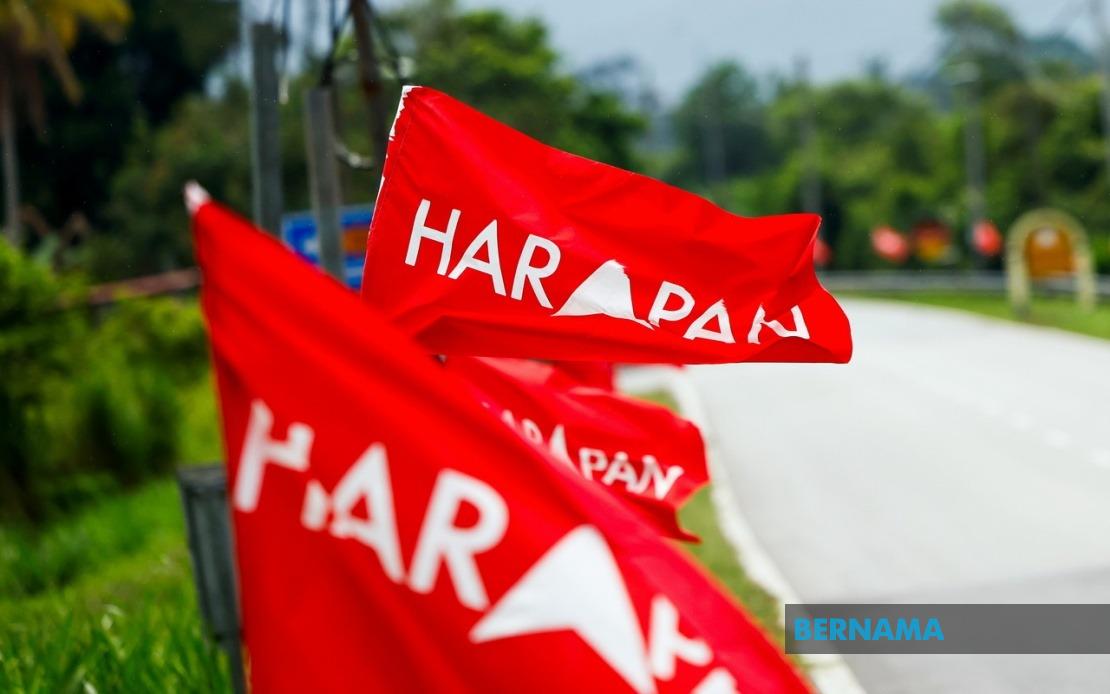
Pakatan Harapan is preparing to unveil its policy platform for Negeri Sembilan's upcoming state election, with the manifesto scheduled for presentation tomorrow evening. The coalition, which has governed the state since the 2018 general election, intends to position the document as a blueprint for maintaining the economic and social gains achieved over the past five years. Datuk Muhammad Zaki Md Sabri, who oversees PH's campaign operations in the state, indicated that party leadership has invested considerable effort in developing a comprehensive policy package aimed at delivering tangible benefits to residents across all districts.
The timing of the manifesto launch reflects a carefully coordinated campaign strategy as Negeri Sembilan enters the second phase of its electoral campaign period. With the Election Commission having scheduled polling day for August 1, the coalition appears intent on capitalizing on early momentum by presenting detailed plans to voters before the campaign intensity peaks. The announcement represents a critical moment for PH to articulate its vision beyond merely defending its incumbency, particularly given the competitive nature of Malaysian state politics where manifestos often become decisive factors in swaying undecided voters.
Muhammad Zaki emphasized that the manifesto addresses both economic sustainability and social welfare considerations, suggesting that PH's platform extends beyond infrastructure projects to encompass broader quality-of-life issues. His comments indicate the coalition's belief that the state government has delivered results worthy of continued electoral support, and that a second mandate would enable longer-term strategic planning. This framing is significant in Malaysian electoral contexts, where voters frequently evaluate incumbent performance against opposition promises, and where demonstrable achievements often outweigh opposition rhetoric.
The party operations director expressed satisfaction with campaign logistics and voter reception during the initial campaign phase, noting that PH candidates have received encouraging responses from ground-level engagement. Such positive feedback, if reflective of broader sentiment, could indicate that the coalition faces a relatively favourable electoral environment in Negeri Sembilan. However, Malaysian electoral history demonstrates that campaign momentum can shift rapidly, particularly when external events or controversies emerge during the typically compressed state election period.
Muhammad Zaki also articulated a call for campaign conduct standards that avoid unnecessarily inflammatory rhetoric and respect sensitive national issues. His reference to the 3R framework—religion, royalty, and race—underscores the delicate political terrain that Malaysian elections inevitably traverse. These boundaries, while intended to preserve social harmony, also reflect the genuine sensitivities embedded in Malaysian society that can rapidly destabilize electoral contests if candidates venture into controversial territory. The appeal for restraint suggests PH's awareness that maintaining positive voter sentiment requires not merely strong policy proposals but also dignified campaign conduct.
The electoral context in Negeri Sembilan carries broader significance for national politics, as state elections frequently serve as barometers of public sentiment toward federal and state governments alike. A strong PH performance would reinforce the coalition's claim to remain a viable governing force, particularly important given recent coalition discussions and realignments at the national level. Conversely, unexpected opposition gains would provide ammunition for critics questioning PH's sustained appeal to voters. The Negeri Sembilan contest therefore operates at multiple political levels simultaneously.
With nearly 890,000 registered voters eligible to participate, Negeri Sembilan represents a substantial electorate reflecting diverse demographic interests. The voter breakdown—including military personnel and police officers voting early on July 28—indicates a cross-section of society encompassing both urban professionals and rural communities. This diversity means that PH's manifesto must address concerns spanning urban employment and entrepreneurship to agricultural support and rural development. The coalition's manifesto designers have presumably attempted to craft messages that resonate across these varied constituencies.
The dissolution of the Negeri Sembilan State Legislative Assembly on June 5 initiated a formally defined campaign window, allowing the Election Commission to maintain oversight of campaign activities and public resources. This regulatory framework, designed to ensure electoral fairness, also creates specific timeframes within which parties must present their cases to voters. The manifesto launch represents a strategic use of this window to dominate news cycles and set the agenda before opposition parties launch their own competing platforms.
For Malaysian observers beyond Negeri Sembilan, this state election offers insights into electoral dynamics post-2022, a period marked by significant political realignment and voter volatility. The performance of PH and its traditional opposition competitors in Negeri Sembilan may signal whether political alignments have stabilized or continue shifting. Additionally, the specific policy emphases in PH's manifesto—particularly regarding economic recovery, cost-of-living concerns, and social services—will likely reflect broader coalition thinking about national priorities as the country approaches the next federal election cycle.

