Pakistan and Iran have entered into discussions aimed at breathing new life into a crucial freight railway corridor that could reshape trade patterns across South Asia, the Middle East, and beyond. The Islamabad-Tehran-Istanbul service represents one of the most significant infrastructure projects for regional integration, and both nations are now committed to overcoming the operational hurdles that led to its suspension two years ago.
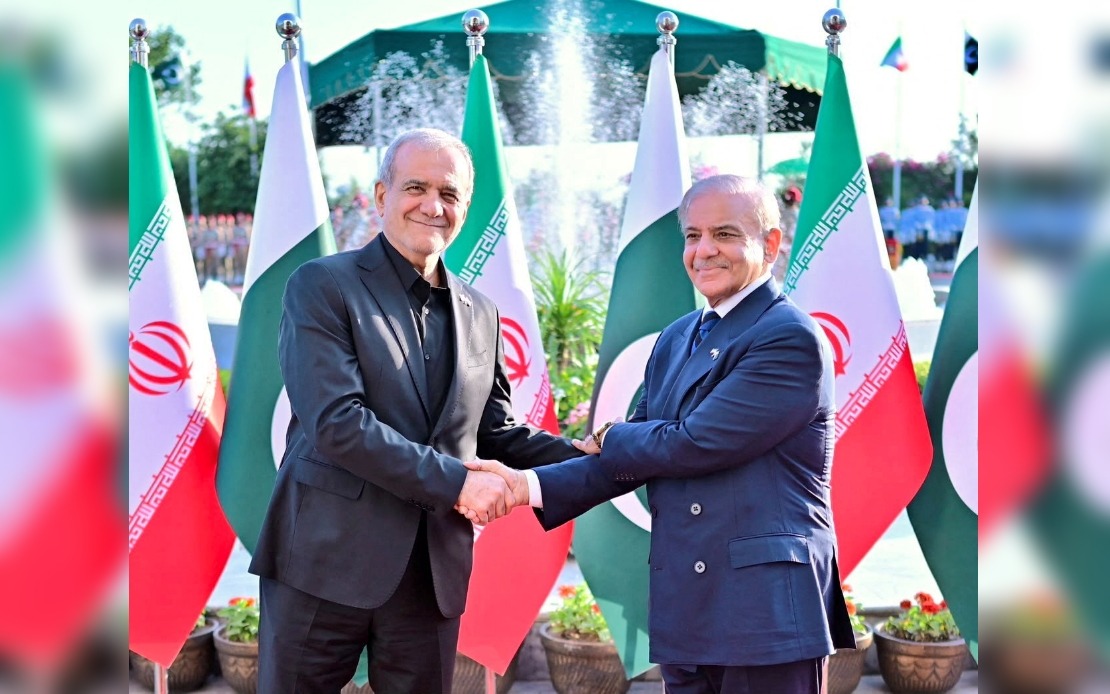
The renewed momentum emerged from a high-level meeting in Islamabad between Pakistan's Railway Minister Muhammad Hanif Abbasi and Iranian Interior Minister Eskandar Momeni. During their discussions on Wednesday, officials underscored how restoring the ITI corridor would create a unified transport backbone linking three major regional players. The initiative holds particular promise for merchants and industrialists seeking alternatives to traditional maritime routes, which often prove costly and time-consuming.
Pakistan's government statement emphasized that the corridor would not merely facilitate bilateral commerce between Islamabad and Tehran but would establish a gateway connecting the broader region to European and Russian markets. This dimension resonates heavily with Pakistan's broader foreign policy objectives, as it seeks to position itself as a critical transit hub in Belt and Road type initiatives. For Malaysia and other ASEAN nations eyeing expanded trade corridors to Europe and Central Asia, the ITI revival signals growing momentum in overland routes that could eventually link to Southeast Asia through improved connectivity frameworks.
The history of the service underscores the complex geopolitical terrain these nations must navigate. The ITI train operated successfully until around 2012, when regional tensions and logistics challenges forced a shutdown. A decade later, December 2021 witnessed a tentative restart, reflecting improved diplomatic relations and recognition among the three nations of mutual economic interest. However, that optimism proved premature, as the service stalled once more in 2022 amid unspecified logistical and operational difficulties that have not been fully publicly detailed.
At the heart of Pakistan's contribution to the revival stands the Main Line-3 upgrade initiative. This project tackles a critical bottleneck in the country's railway infrastructure, specifically the corridors linking the southern provinces of Sindh and Balochistan to the Iranian border. The modernization work is slated to commence within the current fiscal year, with completion targeted for December 2029. This seven-year timeline reflects the substantial engineering challenges involved in upgrading hundreds of kilometers of track to accommodate modern freight operations at competitive speeds.
Iran's parallel infrastructure push centers on the Zahedan–Mirjaveh railway line, which Iranian officials indicated would be completed within approximately one month from the meeting date. This relatively shorter timeframe suggests the work may involve finishing touches rather than foundational reconstruction. However, the real test lies in closing the final gap on Pakistan's side, where a standard-gauge rail connection from Mirjaveh to Taftan in Balochistan remains incomplete. Iranian Interior Minister Momeni's specific appeal for Pakistan to prioritize this section indicates that the missing link represents the primary obstacle to seamless cross-border operations.
The technical specifications matter considerably for the corridor's eventual viability. Standard-gauge standardization across borders eliminates the need for time-consuming transshipment procedures, which inflate costs and delay cargo movement. For a freight service competing against established maritime routes and air freight, even marginal improvements in speed and efficiency translate directly to competitive advantage. The focus on gauge compatibility across the Mirjaveh-Taftan stretch suggests both nations understand that partial solutions would render the corridor economically unviable.
Regional observers note that the ITI corridor represents more than mere logistics optimization; it embodies a strategic vision of connectivity that bypasses traditional Western-controlled maritime chokepoints. For Pakistan, it offers an outlet for Central Asian trade without dependence on volatile trans-Afghan routes. For Iran, it provides market access to South Asia beyond the constraints of maritime sanctions regimes. For Türkiye, it establishes land-based trade flows complementing its existing Silk Road initiatives.
The timing of these discussions carries geopolitical weight. Pakistan's railway modernization efforts align with broader infrastructure ambitions under its Vision 2025 policy framework, while Iran's completion of domestic rail upgrades signals confidence in regional stability despite international isolation. Both nations appear willing to commit resources to infrastructure that demonstrates medium-term faith in sustained cooperation.
For Malaysian policymakers and traders, the ITI corridor revival presents indirect but meaningful implications. A functioning Pakistan-Iran-Turkey rail link would eventually create opportunities for ASEAN nations to access European and Central Asian markets through overland routes, reducing dependence on maritime passages vulnerable to disruption. It also demonstrates how regional powers invest in infrastructure diplomacy to reshape trade relationships, a model increasingly relevant as Asian nations diversify their economic connections.
The success of these revival efforts depends critically on both Pakistan and Iran maintaining political commitment despite the inevitable construction delays and cost overruns that plague such projects. The previous suspension demonstrates that enthusiasm alone cannot sustain regional infrastructure when operational challenges mount. Nevertheless, the current discussions represent the most serious attempt in years to resurrect a corridor that could fundamentally alter trade patterns across Asia, Europe, and the Middle East.

