The two Muslim-majority nations are embarking on a significant recalibration of their bilateral relationship, signalling renewed commitment to partnership after a prolonged period of diplomatic distance. Syrian Foreign Minister Asaad Hassan Al Shaibani's visit to Islamabad represents a watershed moment, marking the first high-level ministerial delegation from Damascus to Pakistan in nearly two decades. The timing of this engagement underscores both countries' desire to reposition themselves within evolving regional geopolitics, particularly as the Middle East undergoes substantial transformation following years of conflict and instability.
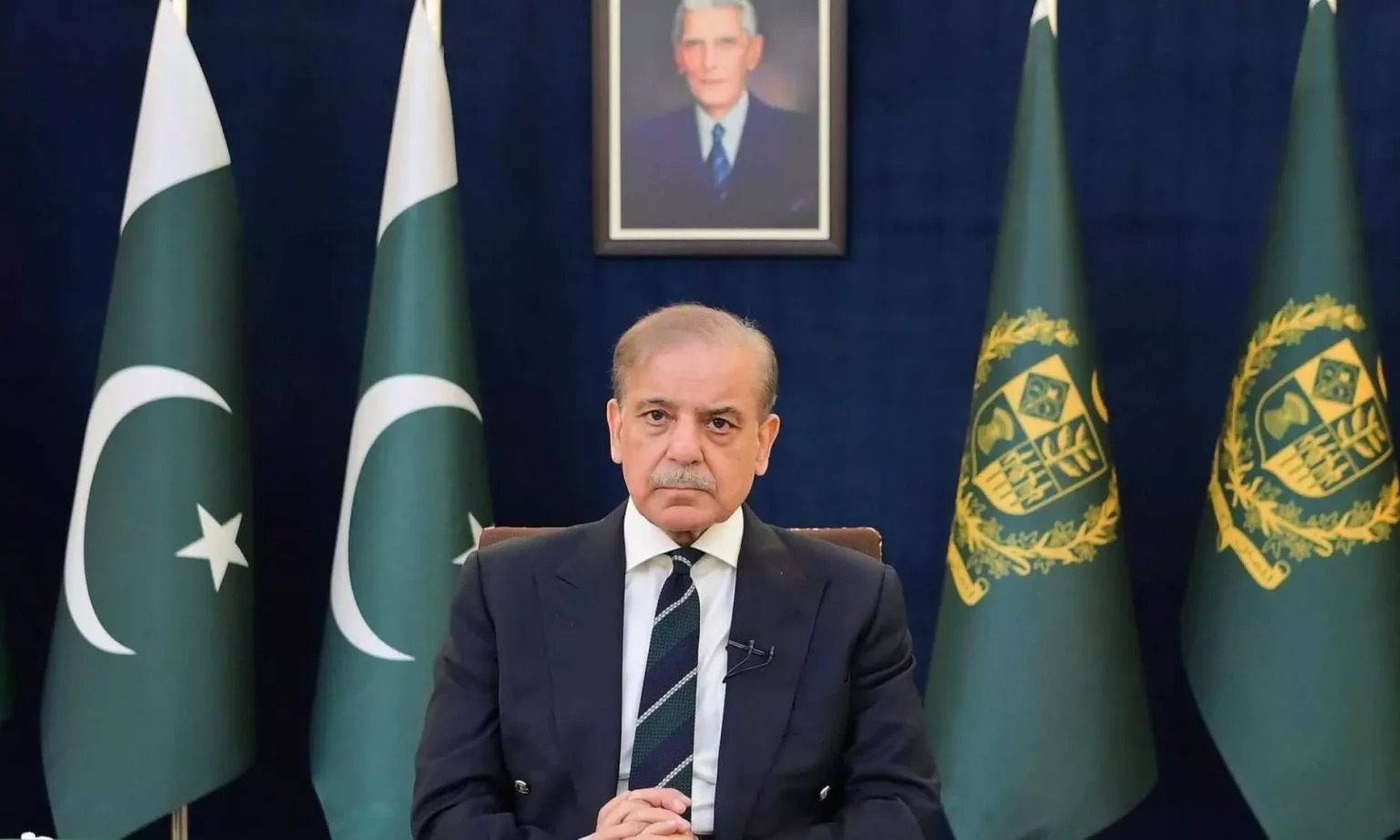
During discussions with Prime Minister Shehbaz Sharif, the Syrian foreign minister and his Pakistani counterpart mapped out an ambitious agenda for revitalising longstanding ties that had atrophied due to regional complications and Syria's extended civil conflict. Sharif articulated Pakistan's principled stance on Syrian sovereignty and territorial integrity, explicitly reaffirming the nation's backing for Damascus on contentious issues including the Golan Heights dispute with Israel. This rhetorical commitment carries particular weight given Pakistan's historical role as a voice for Arab causes within international forums, a positioning that resonates across the Muslim world and enhances Islamabad's diplomatic standing within Organisation of Islamic Cooperation circles.
The conversation between senior officials transcended traditional diplomatic pleasantries to focus on concrete mechanisms for deepening engagement. Pakistani Commerce Minister Jam Kamal Khan and Shaibani discussed specific pathways for expanding bilateral trade and investment, with particular emphasis on Syria's pressing infrastructure rehabilitation requirements following more than a decade of devastating conflict. The Syrian economy remains fragile, with reconstruction needs numbering in the hundreds of billions of dollars, presenting both a humanitarian imperative and an economic opportunity for neighbouring states capable of participating in rebuilding efforts.
A particularly significant initiative involves establishing direct flight connectivity between the two nations. Restoring aviation links would substantially facilitate people-to-people exchanges, enabling greater flows of traders, students, professionals, and tourists between Pakistan and Syria. Such connectivity projects often precede and catalyse broader economic integration, creating the logistical foundation for sustained commercial relationships. The absence of direct flights over recent years has imposed friction costs on bilateral commerce and cultural interaction, making their resumption a practical step toward normalisation.
Both governments identified the creation of a joint business council as essential infrastructure for private-sector engagement. This institutional mechanism would function as a bridge between Pakistani and Syrian entrepreneurs, providing formal structures for identifying joint venture opportunities, addressing regulatory barriers, and coordinating investment flows. Such councils, while bureaucratic in appearance, often prove instrumental in unlocking commercial potential by reducing information asymmetries and facilitating introductions among business actors who might otherwise remain isolated.
The Syrian minister's comments regarding Pakistan's regional diplomacy merit particular attention for Malaysian and broader Southeast Asian observers. Shaibani specifically praised Pakistan's constructive engagement on the Palestine question and its efforts to moderate tensions between the United States and Iran. This acknowledgment reflects Pakistan's positioning as an intermediary power, capable of maintaining diplomatic bridges across ideological and geopolitical divides. Pakistan's role in promoting the Makkah Joint Defence Agreement also drew commendation, illustrating how security frameworks increasingly serve as platforms for broader regional cooperation beyond military considerations.
For Pakistan, this engagement advances several strategic objectives simultaneously. Reestablishing robust ties with Syria enhances Pakistan's standing within Arab and Islamic forums, positioning the nation as a reliable partner for countries recovering from conflict and instability. Additionally, deepening commercial relationships with Syria and other West Asian nations diversifies Pakistan's trade profile beyond its traditional South Asian focus, potentially creating new markets for Pakistani goods and services. This outward orientation also addresses domestic economic challenges by generating export opportunities and attracting remittances through expanded professional linkages.
The discussion of regional developments, including Afghanistan and South Asian dynamics, indicates that both nations recognise interconnections between their respective security environments. Afghanistan's stability directly affects Pakistan's western border security and regional stability, while developments in South Asia influence international attention and resource availability for addressing Middle Eastern priorities. By discussing these issues jointly, Islamabad and Damascus signal their intent to coordinate positions on matters affecting mutual interests, moving beyond bilateral concerns toward shared regional architecture.
From a Southeast Asian perspective, Pakistan's diplomatic activism in West Asia carries relevance for ASEAN nations and dialogue partners navigating complex regional alignments. Pakistan's model of balancing relationships with competing powers, maintaining neutrality on contentious issues while advancing principled positions, offers instructive lessons for how medium-sized powers can maximise diplomatic influence. Additionally, Pakistan's emphasis on trade and investment as foundations for sustainable bilateral relationships aligns with ASEAN's long-standing preference for economic interdependence as a conflict-prevention mechanism.
The establishment of institutional frameworks for commerce and people-to-people exchange suggests both nations are committing to long-term partnership rather than tactical engagement. Successful implementation of these initiatives would require sustained political support, removing bureaucratic obstacles, and genuine private-sector buy-in from commercial actors in both countries. The success or failure of this renewed relationship will likely influence other nations' calculations regarding engagement with Syria as the country gradually reintegrates into international forums following years of isolation.

