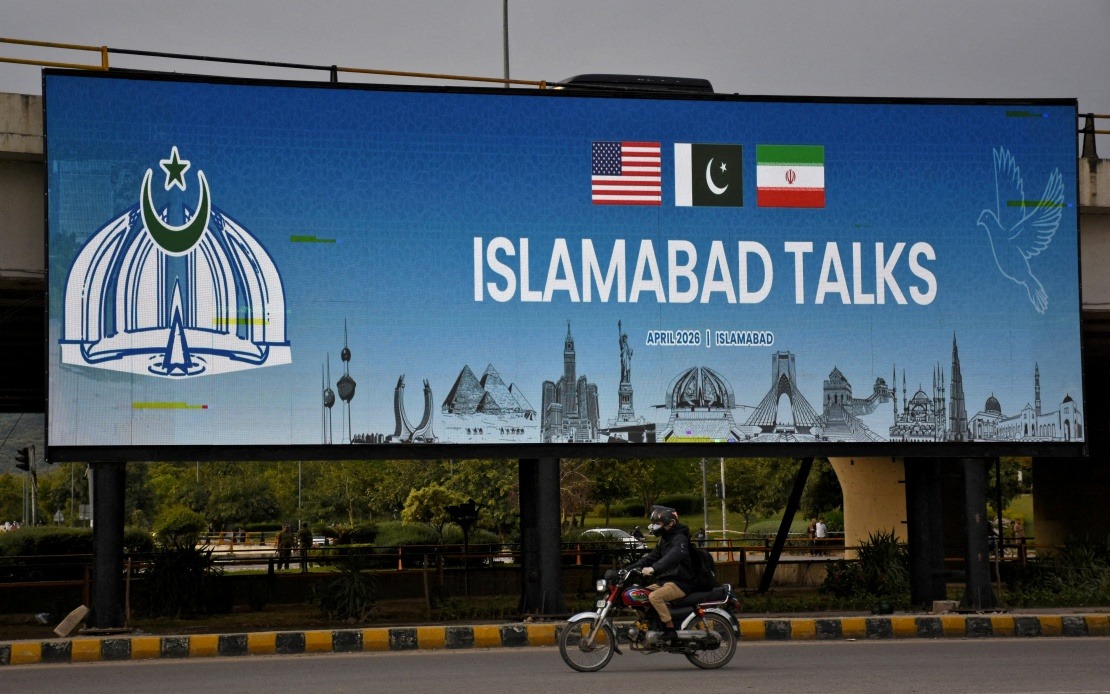
Diplomatic efforts between the United States and Iran are set to intensify with negotiations scheduled to resume in Pakistan on July 11, marking a significant step in de-escalating tensions between the two nations. The timing of these talks comes on the heels of recent military confrontations and represents a critical moment for regional stability, particularly given the strategic importance of Iranian-controlled waterways and energy supplies to Southeast Asian economies.
The agenda for the forthcoming talks encompasses three principal areas: the reimposition and potential lifting of economic sanctions, the unfreezing of Iranian assets that have been locked away due to international restrictions, and the contentious issue of Iran's nuclear programme. These three pillars have remained central to US-Iran relations since the breakdown of formal diplomatic ties decades ago, and resolving even one would constitute a major breakthrough in Middle Eastern geopolitics.
A notable factor affecting the timing involves the Iranian political calendar. The composition of Tehran's negotiating delegation will be finalised only after the funeral of former Iranian Supreme Leader Ali Khamenei, scheduled for July 9. This procedural consideration underscores how domestic political events in Iran continue to shape international negotiations, with senior government officials likely to be unavailable for final preparations until after the state funeral concludes.
The backdrop to these talks involves a recent agreement that significantly altered the trajectory of US-Iran confrontation. In the early hours of June 18, the two countries executed a memorandum of understanding via remote channels, establishing terms to conclude military hostilities that had escalated since February 28. This agreement represents a dramatic shift from the cycle of escalation that had characterised their relationship in preceding months.
The memorandum contains several tangible commitments with direct implications for global shipping and energy markets. The United States has agreed to lift its naval blockade of Iranian ports, a measure that had severely disrupted Tehran's ability to conduct maritime trade and export oil. Simultaneously, Iran has committed to restoring normal shipping operations through the Strait of Hormuz, one of the world's most critical chokepoints for petroleum transport. For Southeast Asian nations, particularly Malaysia, Singapore, and other maritime trading hubs, the restoration of unimpeded Hormuz passage carries enormous economic significance, as the strait remains essential for regional energy security and supply chain continuity.
On the nuclear dimension, Iran has undertaken not to pursue weapons-grade nuclear capabilities. However, the fundamental architecture of Iran's civilian nuclear programme—an issue that has catalysed international concern and sanction regimes—remains subject to a separate agreement to be negotiated within a 60-day window from the June 18 memorandum. This timeline creates urgency for the Pakistan talks, as achieving framework consensus on nuclear issues now will facilitate more detailed technical negotiations over the coming months.
For Tehran, the ultimate objective of these negotiations remains straightforward: the comprehensive removal of international sanctions that have crippled Iran's economy, restricted access to global financial systems, and isolated Iranian industries from international commerce. The Iranian leadership views sanctions relief as inseparable from any nuclear agreement, and this linkage will likely dominate discussions in Pakistan. Conversely, Washington's negotiators face the challenge of structuring verification mechanisms and confidence-building measures that can assure American policymakers and allies of Iranian compliance.
The choice of Pakistan as a venue carries symbolic and practical weight. As a Muslim-majority nation with historical ties to both the United States and Iran, Pakistan has positioned itself as a potential mediator in regional disputes. Its intelligence services maintain channels to both parties, and its geography—sitting between Iran and Afghanistan, with access to Arabian Sea shipping routes—makes it a natural location for confidence-building diplomacy. The selection also potentially signals to other regional actors that these talks carry serious intent and international backing.
The implications for Southeast Asia deserve particular attention. Sustained US-Iran confrontation has created volatility in energy markets, driven up shipping insurance costs, and introduced unpredictability into regional security calculations. Malaysia, as a major energy importer and maritime trading nation, has strong interest in stabilisation. Additionally, the broader Middle East tensions have attracted investment and military attention from major powers whose activities increasingly intersect with Southeast Asian interests, from the South China Sea to the Indian Ocean.
Success at the Pakistan talks would require both sides to move beyond maximalist positions. The United States must reconcile sanctions relief with ongoing security concerns regarding Iranian regional activities. Iran must convince sceptical Western observers of genuine commitment to nuclear non-weaponisation while rebuilding international commercial relationships. Pakistan's diplomatic hosting of these negotiations positions it as a neutral space where both delegations can explore genuine compromise without domestic political constraints.
The stakes extend beyond bilateral US-Iran relations. A successful negotiated settlement could reshape Middle Eastern geopolitics, reduce the risk of direct military escalation, and restore predictability to global energy markets. Conversely, should these talks fail, both nations face pressure to escalate again, with potentially catastrophic implications for regional security and global economic stability. For Malaysia and other Southeast Asian economies dependent on stable energy supplies and secure sea lanes, the success of July's diplomatic efforts carries consequences that will reverberate across the Indo-Pacific for years to come.

