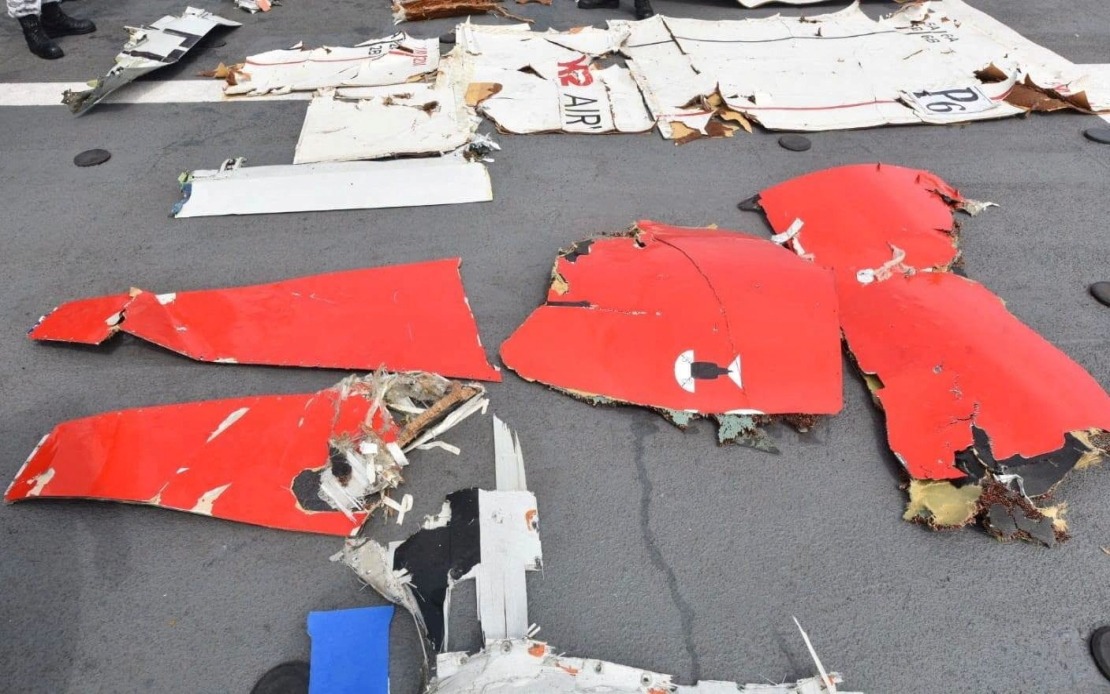
A search operation in the Arabian Sea has yielded fragments of a Boeing 737 cargo aircraft, though the disappearance of its entire crew marks a tragedy for Pakistan's aviation sector. The Pakistan Civil Aviation Authority confirmed on Thursday that naval units discovered debris from the K2 Airways flight off the coast near Amara, situated west of Karachi, following an intensive 12-hour search effort. Despite the recovery of physical evidence, authorities have yet to locate any of the five crew members who were aboard the aircraft when contact was lost.
The sequence of events leading to the aircraft's disappearance unfolded on Tuesday evening, when the Boeing 737 encountered difficulties while traversing from Sharjah in the United Arab Emirates towards Karachi. Flight crews transmitted distress communications to air traffic control indicating navigation system failures, a critical development that preceded the plane's rapid descent. Within minutes of reporting these technical problems, the aircraft vanished from radar screens, leaving investigators with limited information about the circumstances surrounding the incident.
Operating conditions have significantly complicated recovery and search efforts. The onset of monsoon season has generated exceptionally rough seas across the Arabian Sea, creating hazardous conditions that have hampered both the location of additional wreckage and any potential rescue operations. These meteorological challenges underscore the dangers inherent in maritime rescue operations during this time of year, a reality well understood across the Indian Ocean region and Southeast Asian waters.
K2 Airways, the private Pakistani carrier responsible for the flight, immediately mobilized its support infrastructure and engaged with government agencies. In a statement posted to Facebook, the airline identified the five crew members comprising two pilots, two engineers, and a loadmaster. The company emphasized its full cooperation with the Pakistan Civil Aviation Authority and pledged continued prayers for crew safety, reflecting the profound impact this incident has had on the organization and the broader aviation community.
The aircraft itself carried a lengthy operational history. The Boeing 737 initially entered service in 1999 as a passenger-carrying aircraft before undergoing conversion to cargo configuration. This conversion reflects a common industry practice where aging passenger jets find renewed commercial purpose in freight operations, a segment that has experienced substantial growth, particularly following pandemic-driven supply chain disruptions. Such conversions involve comprehensive structural and system modifications to accommodate cargo handling equipment and different operational requirements.
K2 Airways itself represents Pakistan's attempt to develop indigenous air cargo capacity. The airline commenced operations in 2018, entering a competitive market dominated by established regional carriers and international freight specialists. The cargo aviation sector plays a vital economic role for Pakistan, particularly given its geographic position and significance as a transit hub connecting Central Asia, the Middle East, and South Asia. The loss of a cargo aircraft and crew represents both an immediate tragedy and a setback to Pakistan's aviation infrastructure development.
Prime Minister Shehbaz Sharif acknowledged the gravity of the incident on Wednesday, publicly expressing sorrow over the accident and extending formal condolences to the crew members' families. Such statements from senior political leadership underscore the national significance of aviation safety incidents and demonstrate governmental commitment to oversight and investigation of aviation accidents, issues that carry substantial weight across South Asian nations.
The incident raises important questions about navigation systems reliability and maintenance standards within regional cargo operators. Navigation failures represent among the most serious technical issues an aircraft can experience, as they fundamentally compromise the crew's ability to maintain situational awareness and control flight trajectory. The rapid altitude loss reported by air traffic control suggests either catastrophic instrument failure or a compounding series of technical malfunctions that overwhelmed crew response capabilities. Investigators will need to examine maintenance records, crew training documentation, and technical specifications once wreckage analysis becomes possible.
For Malaysian and Southeast Asian aviation stakeholders, this incident serves as a sobering reminder of the risks inherent in regional cargo operations and the critical importance of rigorous maintenance protocols, crew training standards, and aircraft certification procedures. While Pakistan's aviation sector has implemented substantial reforms in recent years, individual incidents continue to highlight the ongoing challenges faced by developing aviation systems operating under demanding conditions. The investigation outcomes will likely influence regulatory discussions across regional aviation authorities regarding operational standards for cargo carriers, equipment maintenance schedules, and crew resource management procedures.
The disappearance of the crew members, despite the recovery of aircraft fragments, presents an additional humanitarian dimension to this tragedy. Maritime search operations in the Arabian Sea present significant challenges even under favorable conditions, and the current monsoon season has substantially reduced visibility and sea state conditions necessary for locating human remains or survival equipment. The families of the missing crew face extended uncertainty as recovery operations continue, a burden compounded by the maritime environment's role in complicating identification procedures.
Looking forward, the comprehensive investigation into this incident will prove critical for the global aviation community. Whether navigational system failure, maintenance deficiency, weather-related factors, or crew performance issues contributed to the accident will require detailed technical analysis of recovered components and examination of all available operational data. These findings will inform safety recommendations issued to airlines throughout the region, potentially affecting operational procedures at facilities across Pakistan, Afghanistan, and neighboring countries that depend on similar aircraft and infrastructure systems.

