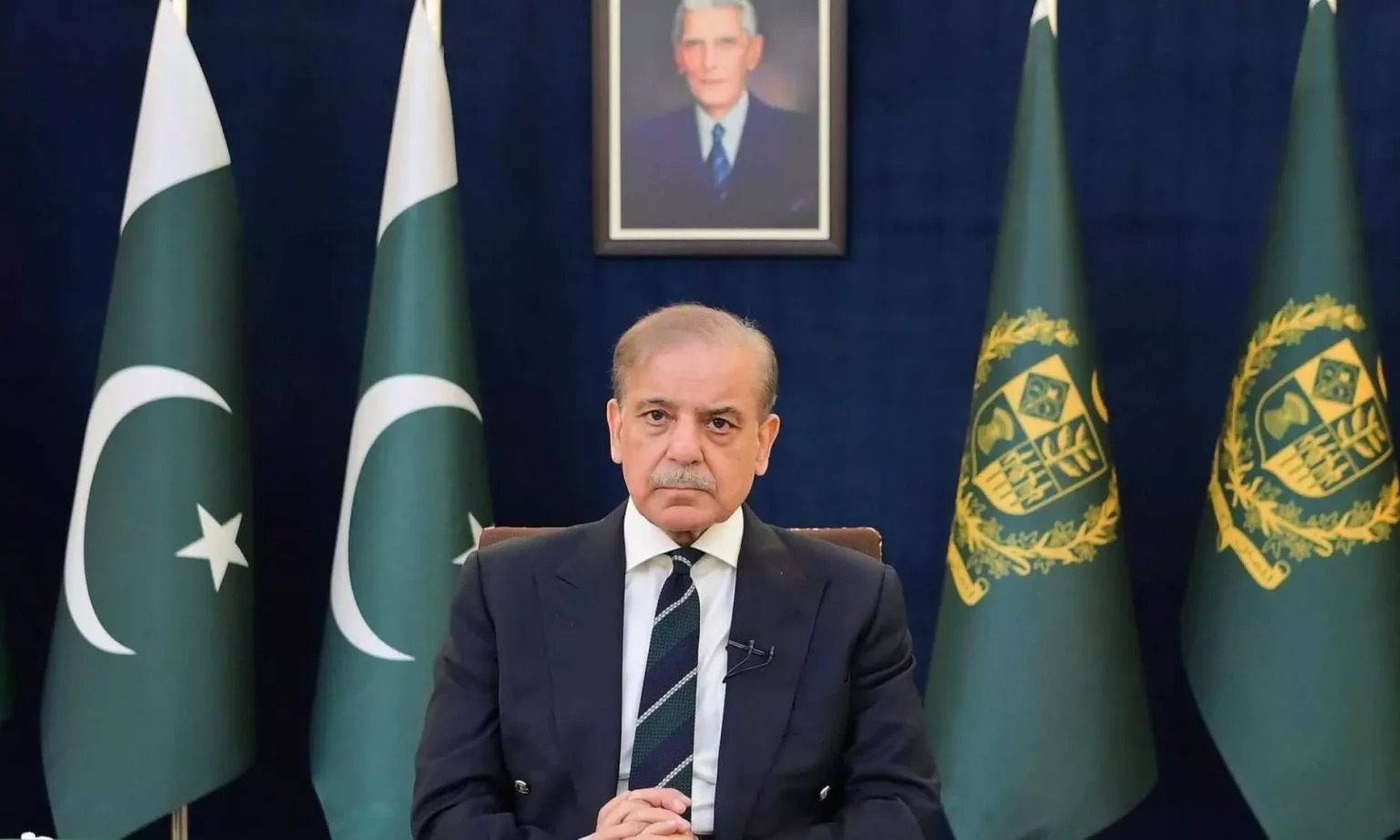
Pakistan's Prime Minister Shehbaz Sharif is set to travel to Tehran on July 4 to participate in funeral ceremonies for Iran's Supreme Leader Ayatollah Ali Khamenei, marking a significant diplomatic gesture from Islamabad during a period of regional transition. The announcement was made by Pakistan's Foreign Ministry spokesman Tahir Andrabi during a media briefing in Islamabad on Thursday, underscoring the importance both nations place on their bilateral relationship at a critical juncture.
The visit carries substantial symbolic weight, as it demonstrates Pakistan's commitment to maintaining strong ties with its western neighbour despite broader geopolitical complexities. By sending the prime minister himself rather than a junior delegation, Islamabad signals respect for Iran's political leadership and acknowledgement of the two countries' deep historical and cultural connections. The decision to dispatch Shehbaz Sharif reflects the significance Pakistan attaches to its relationship with Tehran, particularly given the shared challenges both nations face in regional security matters.
During his attendance at the funeral ceremony, Shehbaz Sharif will formally convey condolences on behalf of Pakistan's government and its 230 million citizens to Iran's leadership and Khamenei's family. This diplomatic courtesy carries practical importance, as it reinforces communication channels between Islamabad and Tehran at a time when Iran is navigating internal succession processes and potential shifts in its regional policy direction. The prime minister's physical presence demonstrates that Pakistan views Iran as a crucial neighbour whose stability and leadership transitions merit personal government representation.
The delegation accompanying Shehbaz Sharif reflects the visit's significance within Pakistan's foreign policy apparatus. Deputy Prime Minister and Foreign Minister Ishaq Dar will join the prime minister, along with other senior cabinet ministers, indicating that discussions may extend beyond ceremonial attendance to encompass substantive bilateral and regional matters. The presence of key economic and foreign policy figures suggests Pakistan may leverage the opportunity to address pending issues with Iranian counterparts in the context of their broader partnership.
Following the funeral proceedings in Tehran, Shehbaz Sharif's itinerary includes a state visit to Turkey at the invitation of Turkish President Recep Tayyip Erdogan. This segment of the diplomatic trip, scheduled to occur between July 3-5, demonstrates how Pakistan intends to use the regional engagement period to strengthen relationships across multiple countries simultaneously. The planned discussions in Turkey will cover bilateral matters and broader regional issues, potentially including coordination on Middle Eastern stability, counterterrorism cooperation, and economic partnerships.
The timing of Pakistan's high-level representation reflects the complex diplomatic calculations required in contemporary South Asian and Middle Eastern affairs. Attending the funeral allows Islamabad to acknowledge Iran's internal processes while simultaneously positioning itself as an engaged regional actor capable of maintaining multiple diplomatic relationships. For Pakistan, demonstrating flexibility and respect across different regional powers serves long-term strategic interests in an increasingly multipolar international environment.
India's representation at the same ceremony, through Bihar state governor Syed Ata Hasnain and deputy foreign minister Pabitra Margherita, shows how multiple regional powers are navigating the diplomatic expectations surrounding Khamenei's death. While Pakistan sends its prime minister, India's lower-ranking delegation suggests a measured approach, reflecting New Delhi's more complex relationship with Tehran given its broader strategic partnerships with Western powers and concerns about Iran-backed regional activities.
The funeral attendance represents one element of Pakistan's multifaceted approach to the Islamic Republic. Beyond ceremonial respects, Pakistan has enduring security concerns along its western border where Iranian territory provides sanctuaries for various militant organisations. Maintaining diplomatic engagement with Tehran is therefore essential for addressing transnational security challenges, counterterrorism cooperation, and border management. A prime ministerial visit signals that these practical concerns remain important even as both nations grapple with broader geopolitical shifts.
For Malaysian observers and Southeast Asian policymakers, Pakistan's diplomatic approach offers lessons in managing relationships with geographically significant neighbours during periods of internal transition. The willingness to engage across multiple diplomatic channels simultaneously demonstrates how regional powers balance competing commitments and maintain strategic flexibility. As ASEAN nations increasingly engage with countries beyond Southeast Asia, understanding how powers like Pakistan calibrate their foreign policy responses to major regional developments becomes relevant for regional stability and cooperation frameworks.
The July 3-5 foreign trip encapsulates broader trends in contemporary South Asian and Middle Eastern diplomacy, where state funerals become occasions for high-level political engagement beyond ceremonial duty. Pakistan's decision to couple Tehran's funeral with substantive discussions in Turkey illustrates how diplomatic calendars in this region accommodate multiple strategic objectives within compressed timeframes. The visit thus serves both immediate symbolic purposes—honouring an important neighbour during a transition—and longer-term strategic goals of maintaining influence across key regional powers during periods of potential policy recalibration.

