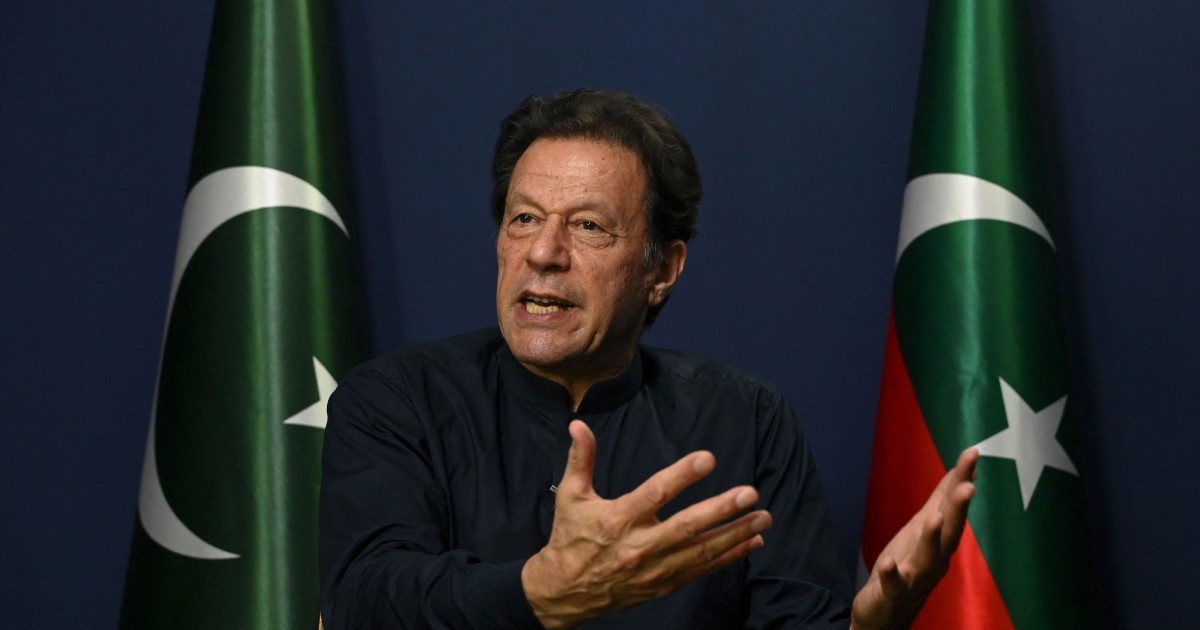
Pakistan's Supreme Court delivered a significant ruling on Tuesday when it mandated the transfer of former Prime Minister Imran Khan from jail to hospital care, according to announcements from his Pakistan Tehreek-e-Insaf (PTI) party. The judicial directive represents a notable development in the detention case of one of South Asia's most prominent political figures and reflects growing pressure on the country's legal system to address mounting health-related concerns.
The court's decision to order hospital admission comes after sustained advocacy from Khan's political party and his family members, who have repeatedly publicized worries regarding his physical condition during his time in custody. These concerns have featured prominently in political discourse within Pakistan, generating substantial domestic and international attention to his detention status and treatment while incarcerated.
Imran Khan's situation carries significant implications for Pakistan's political landscape, particularly as his PTI party maintains substantial grassroots support across the country. The former cricket star-turned-politician has faced multiple legal challenges and detention orders in recent months, prompting heated debate about the judicial process and political accountability within Pakistan's institutional framework. His detention has become a focal point for discussions about rule of law and democratic governance in the nation.
The Supreme Court's intervention suggests judicial acknowledgment of legitimate health concerns that warrant medical assessment and care beyond what detention facilities can provide. Hospital-based treatment may enable comprehensive medical evaluation and ongoing care that addresses the physical health issues that have reportedly affected Khan during his confinement. This shift in custody arrangements represents a response to documented health deterioration that authorities and medical practitioners have presumably identified.
For Malaysia and broader Southeast Asia, Khan's case offers important lessons about the intersection of political detention, judicial oversight, and human rights protections in developing democracies. Pakistan's court system has demonstrated willingness to balance government detention powers with safeguards for individual welfare, a dynamic that resonates across the region where similar tensions between security concerns and civil liberties frequently emerge.
The political implications for Pakistan remain substantial. Khan's movement to hospital care, while addressing humanitarian concerns, may also influence his party's political calculations regarding future legal strategies and public messaging. The PTI continues to maintain significant electoral credibility despite internal pressures, and any perceived improvement in Khan's circumstances could affect party momentum and supporter mobilization in coming months.
The court's decision also reflects broader international scrutiny of Pakistan's detention practices and judicial procedures. Global media coverage and statements from international rights organizations have highlighted concerns about Khan's treatment, potentially influencing domestic judicial decisions. Pakistan's courts increasingly operate within an environment where international attention to high-profile cases shapes legal proceedings and institutional reputations.
Healthcare quality and access during detention represent critical human rights considerations that transcend individual cases. The court's ruling emphasizes that detention authorities must maintain standards of care that preserve detainees' fundamental wellbeing, establishing precedent for how similar cases involving prominent figures or ordinary citizens might be handled. This principle strengthens institutional accountability within Pakistan's security apparatus.
The hospital transfer also raises practical questions about the nature of medical oversight during Khan's continued detention. Whether hospital admission involves secure wards, continued custody restrictions, or modified detention arrangements will likely become subjects of legal interpretation and further court proceedings. These administrative details will carry significant implications for Khan's daily life and his ability to maintain political communications and activities.
Politically, Khan's supporters have framed the hospital transfer as vindication of their longstanding demands for humane treatment and recognition of his deteriorating health condition. The court's decision provides ammunition for party messaging that positions Khan as a victim of persecution, potentially strengthening party cohesion and supporter commitment during a period of significant political transition in Pakistan.
The ruling ultimately reflects Pakistan's complicated relationship with judicial independence, political detention, and institutional safeguards against abuse of state power. While the Supreme Court's intervention addresses immediate humanitarian concerns, the broader question of whether Khan will face ongoing detention, additional charges, or eventual release remains unresolved. Future court proceedings will continue shaping the trajectory of this high-stakes political case.
For international observers and neighbouring countries, this development demonstrates that even within fraught political contexts, judicial mechanisms can operate with some degree of independence and responsiveness to humanitarian concerns. Pakistan's court system, despite facing criticism from multiple quarters, has shown capacity to enforce accountability on detention practices and protect individual rights, suggesting that institutional checks on executive power remain operational in functional form.

