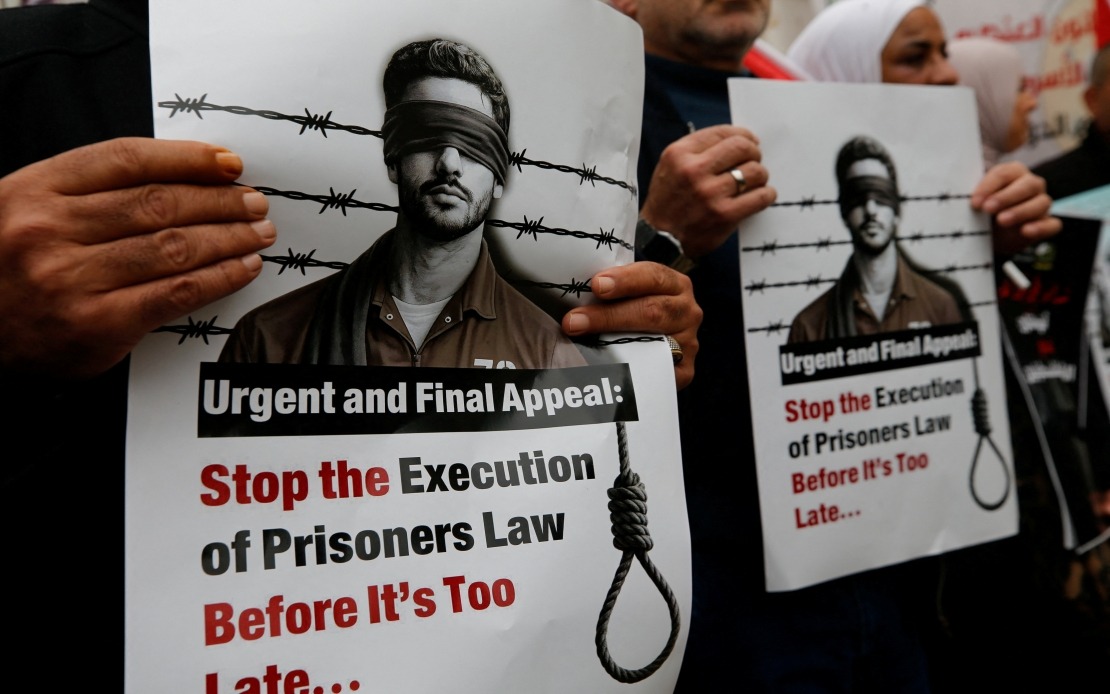
The Palestinian government released a detailed situation report this week documenting what it characterises as widespread human rights violations within Israeli detention facilities, raising fresh international concern over the treatment of Palestinian prisoners. According to the Palestine Prime Minister's Office, the findings reveal a pattern of systematic abuse that extends across multiple prisons, affecting both adult detainees and minors, with particular vulnerability among female prisoners. The allegations come as the humanitarian situation across Palestinian territories continues to deteriorate following the escalation of conflict that began in October 2023.
At the heart of the Palestinian government's claims is the detention of more than 3,376 individuals classified as administrative detainees—held by Israeli authorities without formal charges or trial proceedings. This administrative detention system, which allows extended incarceration without conventional legal processes, has long been a focal point of international human rights scrutiny. The Palestinian authorities further report that 360 Palestinian children remain in custody, joining the broader population of detained youth whose circumstances have drawn criticism from international child welfare organisations. The scale of these figures underscores the extent to which detention has become embedded within the broader conflict dynamics.
The specific allegations of abuse documented in the Palestinian government's report paint a stark picture of detention conditions. According to the filing, detainees have allegedly endured beatings, prolonged stress positions, electrocutions, sleep deprivation, starvation, and sexual violence. Beyond these direct forms of abuse, the report identifies systemic deficiencies in prison management—inadequate provision of food and water, alleged deliberate disease transmission, and systematic denial of healthcare services. These conditions, the Palestinian authorities argue, constitute violations of basic humanitarian standards and international detention conventions that prescribe minimum standards for prisoner treatment regardless of legal status.
The situation of pregnant Palestinian women in custody received particular emphasis in the Palestinian government's documentation. The report identifies three pregnant detainees currently facing what it describes as severe deprivation, including inadequate prenatal care, starvation rations, and humiliating treatment during interrogations and body searches. Such conditions during pregnancy raise significant medical and ethical concerns, as inadequate nutrition and healthcare during gestation carry serious health implications for both mother and developing child. The targeting of pregnant women, if substantiated, would represent a particularly vulnerable subset of the detained population requiring urgent humanitarian intervention.
Beyond current detainees, the Palestinian report highlights the lasting trauma afflicting individuals who have been released from Israeli custody. The documentation notes that hundreds of released detainees suffer severe physical and psychological trauma, with some individuals reportedly dying shortly after their release due to complications arising from abuse endured during imprisonment. This pattern suggests that the alleged mistreatment extends beyond mere detention itself to produce lasting health consequences that persist long after release. The psychological impact of such trauma often requires extensive rehabilitation and mental health support that may be unavailable within Palestinian healthcare systems already strained by conflict.
The broader detention landscape encompasses approximately 9,500 Palestinian detainees across the West Bank, including occupied Jerusalem, according to figures accompanying the situation report. This substantial population represents a significant proportion of Palestinian adult males and reflects the systematic nature of detention practices across occupied territories. The cumulative effect of such widespread detention shapes Palestinian society at multiple levels, affecting family structures, economic productivity, and community cohesion across towns and villages where detention has become a regular occurrence affecting multiple households.
The casualty figures presented in the Palestinian government's report underscore the scale of the humanitarian crisis spanning the entire conflict zone. Since early October 2023, the documentation indicates that at least 73,054 Palestinians have been killed in Gaza, with at least 21,638 of those deaths involving children. Additionally, 173,480 people sustained injuries during the same period. Within the West Bank and occupied Jerusalem, separate figures indicate 1,175 Palestinian deaths including 246 children and 12,919 injured persons. These figures, whether fully verified or contested, represent a humanitarian toll that has drawn increasing concern from regional and international observers monitoring the conflict's progression.
Beyond the detention and casualty figures, the Palestinian report documents what it characterises as ongoing military operations and settler violence in Palestinian territories. During the specific week covered by the report, the Palestinian authorities recorded 362 military assaults by the Israeli army, 47 shooting incidents not including airstrikes, and 114 incidents attributed to settler violence in the West Bank and occupied Jerusalem. This documentation of near-daily military and paramilitary activity illustrates the pervasive security environment affecting Palestinian civilian populations across occupied territories, creating conditions where detention operations occur within a broader context of armed confrontation and settlement expansion.
Simultaneously, the Palestinian government has proceeded with domestic governance initiatives aimed at strengthening institutional frameworks and public service delivery. The Palestinian Cabinet approved amendments to the Value Added Tax law, facilitating the establishment of enhanced financial management structures including a Higher Council for Public Revenues and modernised financial administration aligned with international standards. These fiscal reforms reflect efforts to combat tax evasion and smuggling while ensuring sustainable delivery of public services—priorities that remain relevant even amid the humanitarian challenges documented in the situation report.
The Palestinian government has additionally endorsed a telecommunications and digital transformation policy framework covering 2026 through 2028, targeting acceleration of government digitisation and improvement of digital governance capabilities. Complementing these technological initiatives, Palestinian authorities have approved replacement of paper health insurance documentation with smart card systems intended to enhance data security and facilitate future digital health service expansion. These modernisation efforts suggest that Palestinian governance institutions are pursuing institutional development and efficiency improvements alongside addressing immediate humanitarian and security challenges, reflecting a dual focus on crisis management and longer-term institutional strengthening.
For regional observers including Malaysia and other Southeast Asian nations, the Palestinian situation report presents a case study in how protracted conflicts produce layered humanitarian consequences affecting detention practices, civilian casualties, and institutional capacity simultaneously. The allegations of systematic detention without trial raise questions relevant to international humanitarian law standards applicable across all conflict contexts. The concurrent pursuit of domestic governance reforms amid humanitarian crisis illustrates the complex environment facing Palestinian authorities, who must simultaneously address immediate suffering while attempting to build institutional foundations for eventual post-conflict recovery and state development.

