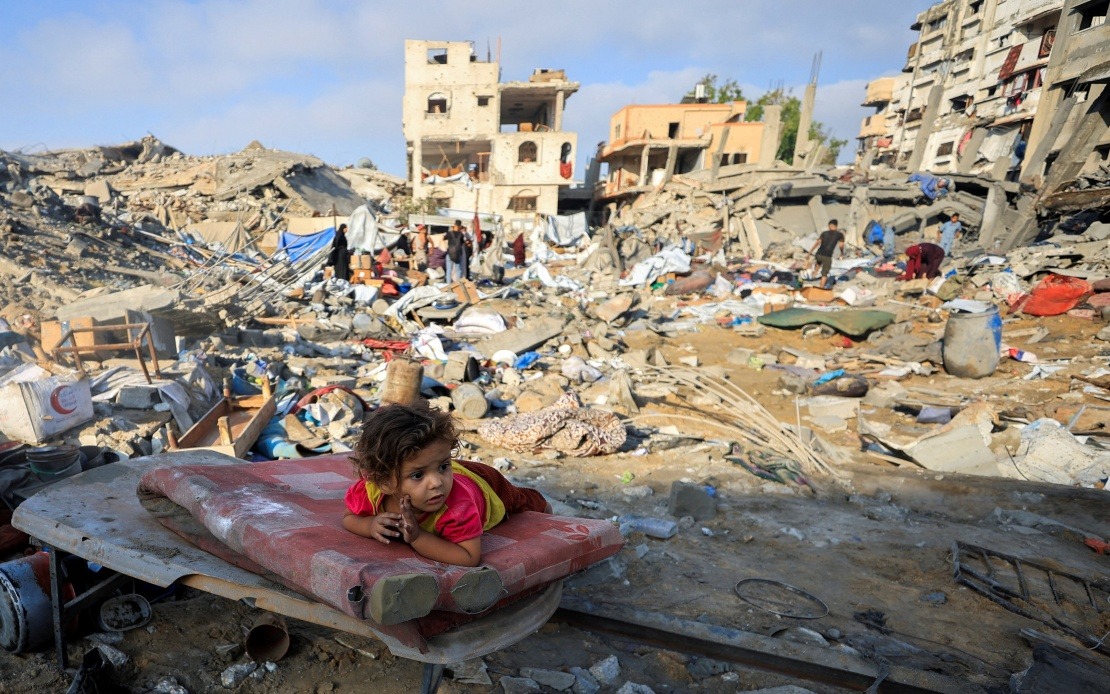
The Palestinian Ministry of Health issued an urgent statement on Saturday describing the nation's healthcare system as entering the most critical phase of its existence, a declaration that underscores the scale of deterioration in medical services across Palestinian territories. The warning encompasses conditions in both Gaza, where an ongoing Israeli military offensive continues, and the occupied West Bank including East Jerusalem, where escalating tensions have created a compounded humanitarian emergency affecting how essential medical care is delivered to vulnerable populations.
The collapse of the Palestinian healthcare system reflects multiple converging crises rather than a single factor. Military operations in Gaza have created an environment where hospitals and health centres face repeated attacks, while an acute shortage of essential medicines, medical equipment, and fuel has severely constrained the capacity of medical facilities to function. The statement emphasised that healthcare providers are struggling to maintain even basic lifesaving services under conditions that medical professionals describe as extraordinarily harsh. These circumstances have created bottlenecks throughout the entire medical supply chain, forcing difficult decisions about resource allocation and patient treatment priorities.
Beyond the immediate effects of military operations, Gaza's health infrastructure confronts a financial catastrophe. The Palestinian government's severe fiscal crisis has eroded its ability to purchase replacement medicines, repair damaged equipment, or pay healthcare workers consistently. This financial dimension is particularly significant for regional observers, as it demonstrates how conflict disrupts not merely physical infrastructure but the institutional and economic mechanisms required to sustain any modern healthcare system. Without financial resources, even facilities that escape direct physical damage cannot maintain operations for extended periods.
The Palestinian Ministry of Health has appealed directly to the United Nations, World Health Organisation, International Committee of the Red Cross, and other international bodies to take concrete action. The ministry is specifically requesting that these organisations pressure Israel to facilitate regular entry of medicines, medical supplies, fuel, and humanitarian aid into Gaza. Establishing what the ministry terms safe humanitarian corridors has become essential to ensuring medical supplies can reach facilities without obstruction and that patients and wounded individuals can access treatment facilities when necessary. The appeal also references international humanitarian law obligations regarding the protection of healthcare workers and medical facilities, positioning the crisis within a legal framework.
Health Minister Majed Abu Ramadan framed the healthcare emergency as transcending Palestinian domestic politics to become a matter of international legal and moral responsibility. He characterised practices such as restricting patient access to medical treatment, blocking medical supply deliveries, and attacking healthcare facilities or personnel as grave violations of international humanitarian law that demand concrete international intervention. This framing is strategically significant as it appeals to the legal commitments and humanitarian values that Western nations and international organisations frequently emphasise, potentially opening diplomatic pathways even amid broader political conflicts.
The ministry's statement included recognition of healthcare workers operating across Palestinian territories, particularly in Gaza, where medical staff continue functioning despite experiencing personal tragedy. Many healthcare professionals have lost family members, been displaced from their homes, faced direct attacks, or witnessed the destruction of their residences. The ministry characterised their continued dedication as exceptional resilience and described their commitment to the humanitarian mission of healthcare as transcending the severe hardships imposed by warfare. This recognition serves partly to highlight the human dimension of the crisis and partly to affirm the legitimacy of healthcare workers' claims for international protection and support.
A significant aspect of the healthcare crisis involves the emigration of Palestinian medical professionals. Some healthcare workers have departed Gaza seeking personal safety, while others have left to continue their education and careers elsewhere. The ministry's statement acknowledged these departures as byproducts of extraordinary circumstances created by the conflict rather than as evidence of professional inadequacy. This framing becomes increasingly important as Palestinian healthcare loses experienced practitioners whose expertise is difficult to replace. The ministry asserted that departing medical professionals remain integral to the Palestinian healthcare system, suggesting an intention to facilitate their eventual return and maintain institutional memory and professional networks.
Conditions in the occupied West Bank, including East Jerusalem, present a distinct but related crisis. Medical personnel in these territories continue providing healthcare services despite escalating Israeli military raids, restrictions on ambulance movement that complicate emergency response, and the cascading financial pressures affecting the Palestinian health sector broadly. The addition of West Bank complications indicates the healthcare emergency is geographically comprehensive rather than confined to Gaza, affecting Palestinian populations across multiple jurisdictions and creating coordination challenges for a fragmented health ministry attempting to maintain services everywhere simultaneously.
The ministry outlined its operational strategy moving forward, emphasising commitment to maintaining healthcare services despite overwhelming constraints. This approach involves managing available resources with maximum efficiency, strengthening the resilience of healthcare systems to withstand ongoing pressures, and coordinating with the Palestinian government, international partners, and local communities to mobilise political, financial, and humanitarian support. The stated objectives reveal recognition that the ministry cannot resolve the crisis through internal Palestinian action alone but requires sustained international engagement to provide resources and apply diplomatic pressure to ensure humanitarian access.
For regional observers including Malaysia and other Southeast Asian nations, this crisis illustrates how military conflicts disrupt not merely immediate security but fundamental civilian systems including healthcare. The Palestinian situation demonstrates that medical systems require not only functional facilities and trained personnel but also uninterrupted supply chains, financial resources, and international protection to survive prolonged conflicts. The ministry's appeals to international law and humanitarian responsibility reflect an attempt to invoke universal standards transcending specific political disputes. Whether international institutions and influential nations respond with substantive action rather than statements remains a crucial factor determining whether the Palestinian healthcare system can stabilise or continues deteriorating. The coming months will reveal whether the international community prioritises humanitarian obligations or maintains current approaches to the Israeli-Palestinian conflict.

