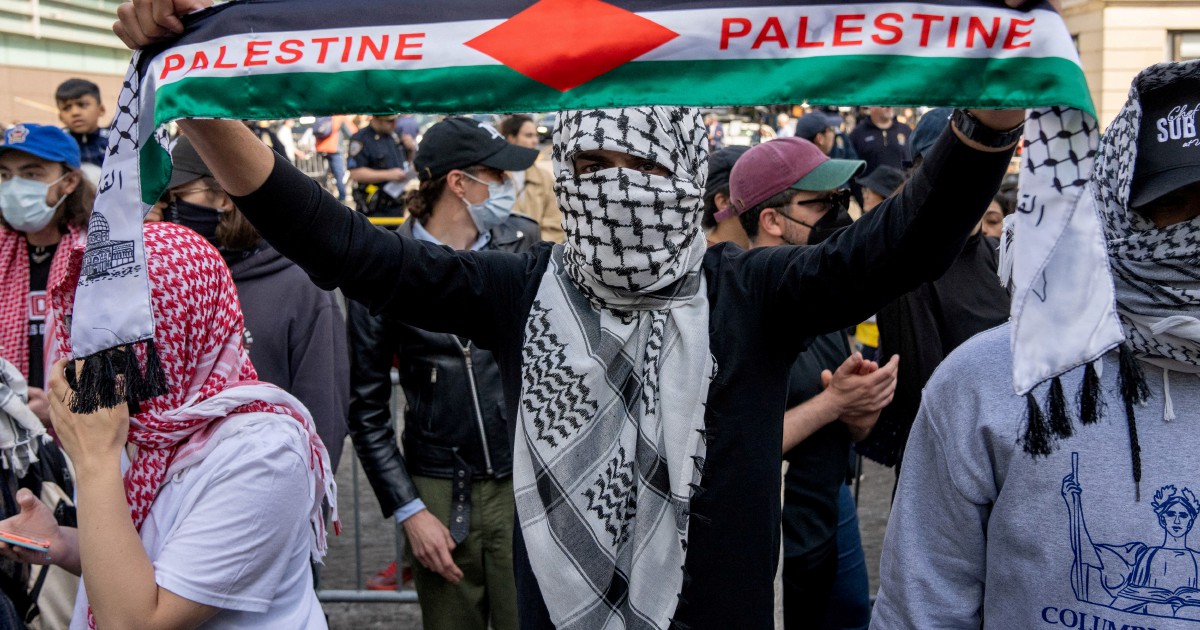
A legal challenge has emerged from Columbia University's Palestinian community, with current and former students alongside staff members filing suit against the prestigious Manhattan institution. The New York court filing represents an escalating dispute over how the university has treated members of its Palestinian population, with allegations spanning from late 2023 onwards. The case reflects deepening tensions on American campuses regarding Palestinian representation and institutional responses to concerns raised by this demographic.
The lawsuit underscores a broader pattern of grievances that Palestinian communities have articulated at numerous universities across North America. Columbia, situated in New York City's Morningside Heights neighbourhood, has long positioned itself as a beacon of intellectual diversity and inclusive scholarship. Yet the allegations in this filing suggest a significant gap may exist between the institution's stated values and the lived experiences of Palestinian students and employees navigating its environment.
The timing of these complaints carries particular significance. The onset of alleged discriminatory practices in late 2023 coincides with the broader geopolitical tensions in the Middle East that have reverberated through American academic institutions. Universities have found themselves caught between competing demands: supporting academic freedom and diverse viewpoints whilst managing community relations and ensuring campus safety and inclusivity. Columbia's administration has faced intense scrutiny from multiple constituencies during this period.
For Malaysian and Southeast Asian readers, this dispute illuminates how Western universities grapple with questions of institutional neutrality and minority protection. The region's own universities have experienced parallel tensions involving Palestinian student groups and advocacy initiatives. Understanding how prestigious American institutions navigate these challenges offers insights into global academic governance and the universal tension between protecting diverse student populations and maintaining institutional stability.
The allegations centre on discriminatory treatment rather than isolated incidents, suggesting a systematic pattern that plaintiffs argue pervaded campus life and administrative processes. Such claims typically encompass unequal application of conduct codes, disproportionate disciplinary actions, restrictions on free expression, and inadequate response to incidents affecting Palestinian community members. The breadth of involvement—drawing both current enrollees and former staff—indicates the grievances span multiple institutional levels and departments.
Columbia University's response to Palestinian advocacy has drawn attention from human rights organizations, student groups, and academic freedom advocates alike. The institution must balance competing interests: the rights of Palestinian students to organise and speak freely, concerns from other community members, and its own institutional policies. The litigation process will likely expose internal documents, administrative decisions, and policy implementations that previously remained outside public view.
The New York legal system will now serve as an arena for examining these allegations through formal discovery procedures. Such lawsuits typically involve detailed documentation of specific incidents, policy applications, and comparative treatment of different student groups. The evidence presented could demonstrate whether any discriminatory pattern existed or whether the university's actions reflected neutral application of consistently enforced policies applied across all student populations.
The case arrives amid ongoing debates within American higher education about institutional responses to Middle Eastern geopolitics and student activism. Some institutions have faced criticism for excessive restrictions on pro-Palestinian expression, whilst others have been challenged for inadequately protecting Jewish students from antisemitism. Columbia's particular challenge involves navigating these polarised positions whilst maintaining credibility with all constituencies.
Beyond the immediate legal merits, this lawsuit carries implications for Columbia's reputation and institutional credibility. Universities increasingly recognise that discriminatory treatment allegations—whether substantiated—damage relationships with affected communities and can influence student recruitment and faculty morale. The discovery process may reveal administrative communications and policy deliberations that shape public perception regardless of eventual legal outcomes.
The resolution of this case could establish important precedents regarding university obligations toward minority student populations and institutional neutrality standards. Should the plaintiffs prevail, Columbia might face structural changes to how it handles Palestinian student concerns and processes related grievances. Conversely, if the university prevails, it will have defended its conduct before a court examining its practices with particular scrutiny.
For observers across Southeast Asia's academic institutions, the Columbia case demonstrates how campuses worldwide increasingly face litigation related to treatment of politically sensitive communities. Malaysian universities, which host diverse international student populations including Palestinian scholars, may find the legal principles emerging from this case instructive for their own governance frameworks and commitment to non-discriminatory treatment.
The ongoing litigation represents a critical juncture in how American universities address minority student welfare and institutional accountability. Columbia University's handling of this legal challenge will likely influence how other institutions approach similar allegations and reinforce or reshape expectations regarding acceptable conduct toward all student populations during periods of heightened geopolitical tension.

