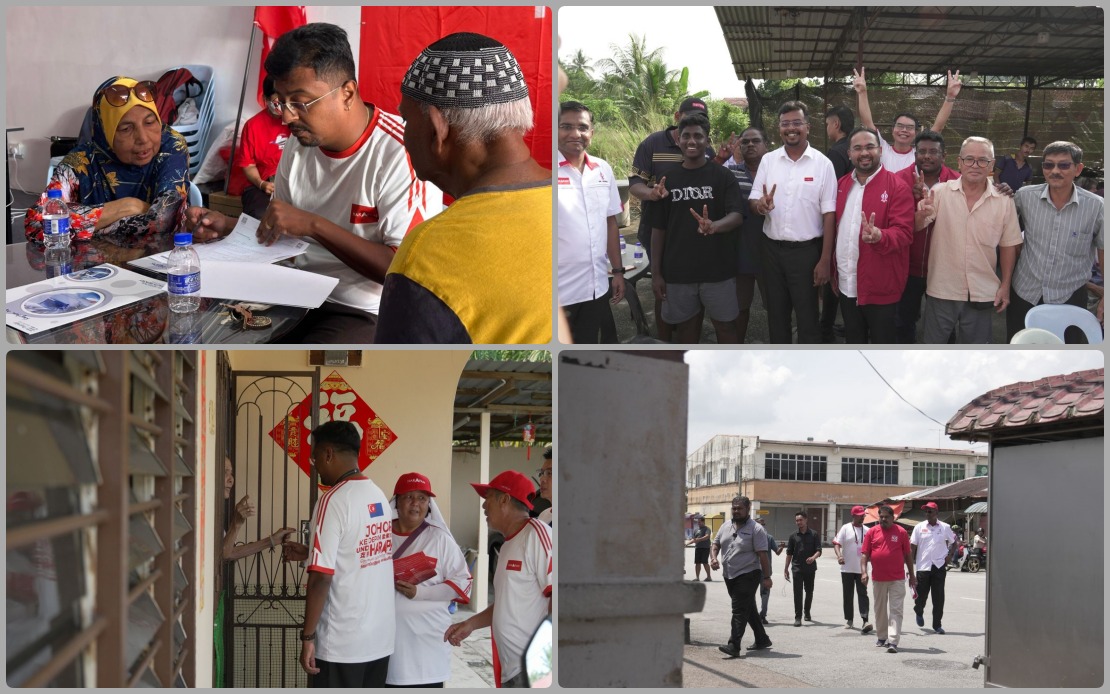
Dr. A. Ruban, the Pakatan Harapan (PH) nominee contesting the Paloh state assembly seat in the ongoing Johor election, was admitted to a hospital in Batu Pahat on July 7 after experiencing acute pain from a slipped disc that left him unable to move freely. The unexpected hospitalisation marks a significant disruption to the candidate's ground campaign, occurring just days before voters head to the polls on July 11. Campaign manager Abdul Majid Abd Aziz confirmed the admission, explaining that Dr. Ruban had endured discomfort throughout the morning before seeking urgent medical intervention.
The underlying health issue is not new for the PH candidate. Abdul Majid disclosed that Dr. Ruban carries a history of chronic spinal problems requiring previous surgical intervention, and the present flare-up appears connected to the demanding nature of electoral campaigning. The intensity of field operations—characterised by frequent walkabouts across constituencies and back-to-back community engagements—appears to have aggravated the dormant condition. Abdul Majid attributed the relapse to accumulated fatigue and the relentless pace of the state poll schedule, suggesting that the physical toll of campaigning had contributed significantly to the recurrence of symptoms.
While the hospitalisation might initially appear concerning for PH's Paloh operations, Abdul Majid characterised Dr. Ruban's medical condition as stable and non-critical. He indicated that medical assessments suggested a relatively short recovery window, with discharge expected within one or two days. This relatively optimistic prognosis suggests the campaign team anticipates the candidate's return to public-facing activities before election day, potentially limiting the impact on PH's mobilisation efforts during this crucial final phase.
The challenge now centres on maintaining campaign momentum during Dr. Ruban's absence from the ground. Abdul Majid committed to sustaining PH's engagement with Paloh voters through alternative mechanisms, pledging that the party machinery would continue conveying the candidate's policy positions and electoral promises directly to constituents. This transition to remote or surrogate-led campaigning represents a pragmatic response to the unexpected interruption, allowing the organisation to function effectively even without the candidate's physical presence for several days.
The Paloh constituency presents a competitive battleground with four candidates vying for the single seat. Beyond Dr. Ruban, Perikatan Nasional (PN) has fielded D. Jeevakumar, while independent candidate G. Kamaleswaren rounds out the challengers. Incumbent Lee Ting Han, representing Barisan Nasional (BN), seeks to retain the seat. This fragmented field means that PH's campaign coherence and voter messaging become particularly valuable assets, making Dr. Ruban's temporary absence a tactical concern despite assurances about his non-critical condition.
The timing of Dr. Ruban's hospitalisation highlights the physical demands placed on political candidates during state election campaigns. The compressed election calendar and intensive ground operations—involving door-to-door visits, community forums, and public events—can take a genuine toll on candidates' health, particularly those managing pre-existing conditions. That Dr. Ruban's condition deteriorated precisely during the final stretch before voting suggests the connection between electoral intensity and candidate welfare deserves consideration as political campaigns become increasingly demanding across Malaysia.
Early voting took place on July 7 itself, the same day Dr. Ruban entered hospital, suggesting that a significant portion of the electorate had already cast ballots before his hospitalisation became public knowledge. This timeline means that voter impressions formed during the campaign trail—before his medical emergency—already shaped early voting patterns. The four-day interval between early voting and election day provides the campaign period with one final campaign push, though complicated now by Dr. Ruban's recovery trajectory.
For Pakatan Harapan, the incident underscores the importance of maintaining organisational capacity beyond individual candidates. While Dr. Ruban's personal mandate and public visibility matter in local contests, the party's ability to substitute leadership functions during his recovery—through experienced campaigners, party machinery, and coordinated messaging—becomes critical for sustaining electoral competitiveness. Abdul Majid's confidence in continuing the campaign suggests PH possesses sufficient ground infrastructure to weather this disruption.
The Johor state election itself represents an important barometer of political sentiment in Malaysia's second-largest state by population and economy. The 16th Johor state election carries implications beyond the state capital, influencing broader national political dynamics and potentially shaping expectations for future federal-level contests. In this broader context, individual constituency races like Paloh, though seemingly localised, contribute to the aggregate narrative about which coalitions command voter confidence in a strategically significant state.
As Dr. Ruban recuperates and prepares for his return to campaigning, the incident also raises questions about candidate health and wellbeing standards within Malaysia's political ecosystem. While electoral competition demands intensity from candidates, the hospitalisation of a sitting candidate days before voting day illustrates the potential human costs of prolonged campaigns. Whether this incident will prompt discussions about campaign schedules, candidate welfare protocols, or electoral timelines remains to be seen, though it certainly reflects the pressures inherent in contemporary Malaysian politics.

