The most exclusive fashion event on Europe's calendar collided this season with an unwelcome meteorological visitor. Paris Couture Week unfolded beneath an intensifying heatwave, forcing the industry's most celebrated personalities to confront a challenge that transcends the usual preoccupations of haute couture: how to remain impeccably dressed when the thermometer climbs into genuinely uncomfortable territory. The resulting showcase of sartorial choices offers a fascinating glimpse into how high fashion adapts when practicality becomes as pressing as prestige.
The heat arrived without apology or warning. Earlier, Paris menswear fashion week had already transpired under similarly punishing conditions, and the temperatures showed no inclination to moderate as the couture calendar progressed into what is traditionally the industry's most exclusive showcase. This posed a genuine dilemma for attendees accustomed to commanding attention through their clothing choices. The expectation at couture week is uncompromising: attendees must project confidence, affluence, and aesthetic sophistication. Yet dressing in multiple layers of structured fabrics, heavy embellishments, and traditional formal wear becomes genuinely miserable when the pavement radiates heat and humidity hangs thick in the air.
Most attendees opted for pragmatism over theatrical excess. The prevailing approach embraced loose, flowing silhouettes that prioritised air circulation whilst maintaining tailored elegance. This represented a subtle but significant departure from couture's historical emphasis on structured, precisely fitted garments. The message was clear: even at the world's most elite fashion gatherings, the human body's need for comfort exerts genuine influence over design choices. This democratisation of practicality within haute couture circles reflects broader shifts in how the fashion industry has begun acknowledging that luxury need not demand suffering.
For male celebrities and fashion-forward men attending the shows, oversized menswear became the uniform of choice. Bad Bunny and Hudson Williams epitomised this approach, selecting dramatically proportioned suits rendered in lighter tones and worn with relaxed tailoring that bore little resemblance to the crisp formality traditionally associated with couture week. Many dispensed entirely with undershirts, allowing air to circulate and creating a distinctly contemporary sensibility that somehow managed to appear both more casual and more intentional than conventional formal dressing. This evolution in masculine fashion during haute couture events suggests that even in the most traditional fashion spaces, the rigid codes governing appropriate attire continue yielding to cultural and climatic realities.
Women navigated the heat through a subtle vocabulary of exposure that felt less deliberately provocative than practically necessary. Exposed shoulders emerged as perhaps the most visible trend of the week, representing a genuine departure from the more covered silhouettes that often dominate couture runways. Tan Sri Michelle Yeoh's understated black ensemble demonstrated how elegance persists even when traditional conventions are modified. The exposure of shoulders and upper arms served a dual purpose: it managed the immediate physical discomfort of excessive heat whilst simultaneously creating visual lightness and contemporary sophistication that appealed to photographers and fashion commentators seeking fresh images.
Short hemlines became another practical solution that unexpectedly aligned with current aesthetic preferences. By shortening traditional couture lengths, designers and attendees simultaneously achieved better ventilation whilst creating silhouettes that felt more contemporary and energetic. This convergence of necessity and trend creates interesting questions about fashion's evolution: does clothing drive culture, or does culture (including environmental factors) reshape clothing? The answer likely involves complex reciprocal influences, but the evidence from Paris suggested that even the most rarefied fashion spaces must ultimately acknowledge external realities.
Lightweight, breathable fabrics dominated material choices throughout the week. Silk and its derivatives became particularly popular, offering the luxurious sheen and tactile quality that couture demands whilst providing the practical ventilation that heat requires. This represented intelligent material innovation rather than compromise: attending guests understood that silk communicates refinement and expense whilst also managing temperature regulation. The fabric's natural properties made it an ideal solution for an audience that refuses to distinguish between looking magnificent and feeling comfortable. Such thoughtful material selection demonstrates that haute couture can evolve without surrendering its essential characteristics.
Sundresses and their more sophisticated variations emerged as unexpected stars of the week. What might appear a mundane choice at less exclusive events took on fresh meaning within couture's rarefied context. These garments offered genuine breathability and freedom of movement whilst remaining sufficiently elegant for high-stakes fashion occasions. Priyanka Chopra's scalloped gown exemplified how couture techniques could be applied to warmer-weather silhouettes, creating pieces that feel simultaneously summery and glamorous. This trend reflects a broader recognition that seasonal considerations and climate need not be sacrificed simply because the occasion demands formal presentation.
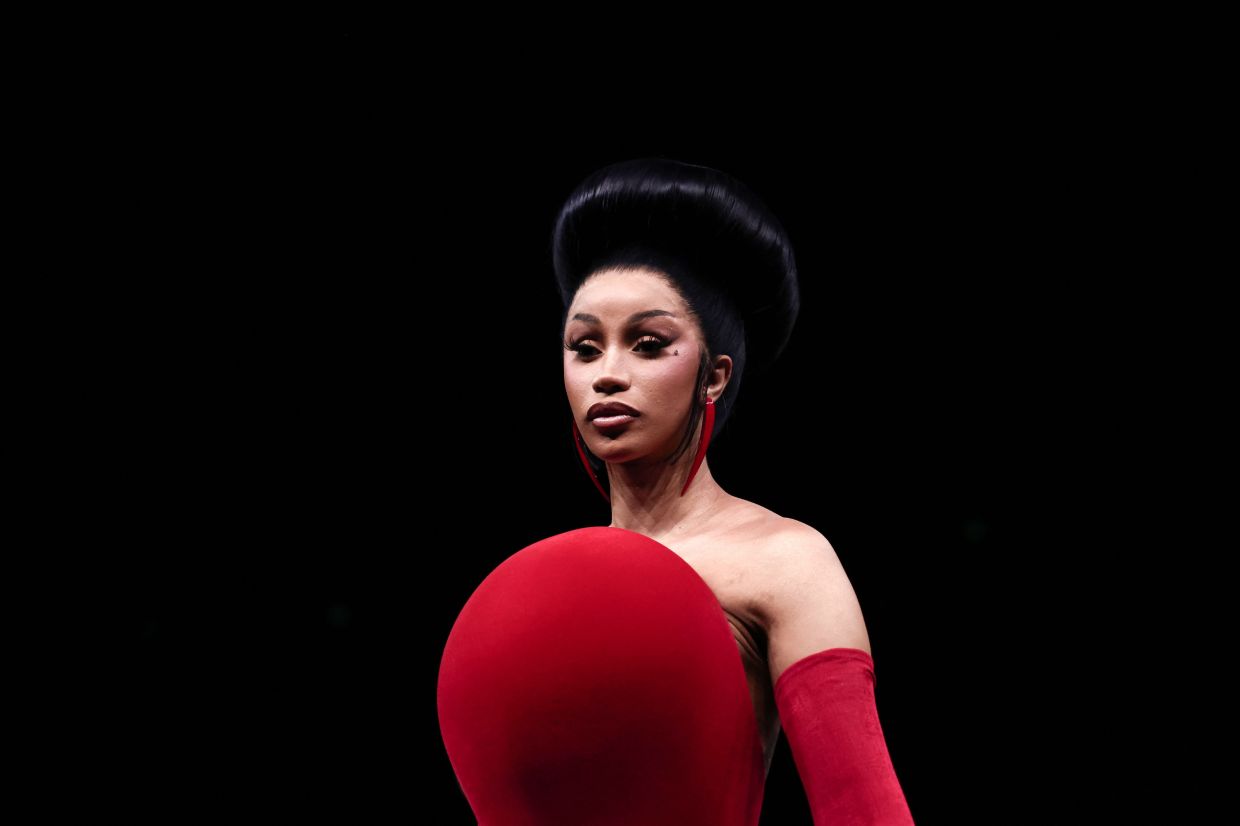
Yet not every attendee embraced practical dressing. Rapper Cardi B presented perhaps the week's most confrontational fashion statement, selecting an exceptionally fitted, sculptural ensemble that prioritised visual impact over thermal comfort. Her choice represented a deliberate rejection of the broader accommodation towards heat, suggesting that for some personalities, the shock value and dramatic presence of avant-garde dressing supersedes immediate physical comfort. Her look functioned as a counterpoint to the week's dominant pragmatism, reminding observers that haute couture ultimately celebrates individual audacity and personal vision above universal rules.
Another creative solution emerged through accessories. Songwriter Ejae was spotted carrying a simple black folding fan that complemented rather than distracted from her overall presentation. This approach demonstrated how practical objects could integrate seamlessly into sophisticated styling, adding functionality without sacrificing aesthetic coherence. The folding fan represented an ancient solution to heat management, repurposed for contemporary couture contexts. Such details suggest that fashion's future may involve increasingly creative integration of functional elements, acknowledging that attendees simultaneously inhabit practical reality and aesthetic fantasy.
The Paris Couture Week heatwave ultimately revealed something significant about contemporary fashion's actual values. Despite elaborate theoretical frameworks celebrating artistic vision and aesthetic purity, the industry consistently demonstrates willingness to adapt when circumstances demand. The week's dominant aesthetic—lightweight, breathable, comfortable, yet undeniably elegant—suggests that the most sophisticated style involves meeting genuine human needs whilst projecting confidence and refinement. This represents maturation within haute couture circles, an acknowledgment that elegance and practicality need not represent opposing impulses. Southeast Asian fashion observers, accustomed to extreme heat throughout the year, might recognise in these Paris choices a validation of approaches they have long understood: dressing beautifully in warm climates requires intelligence, not sacrifice.

