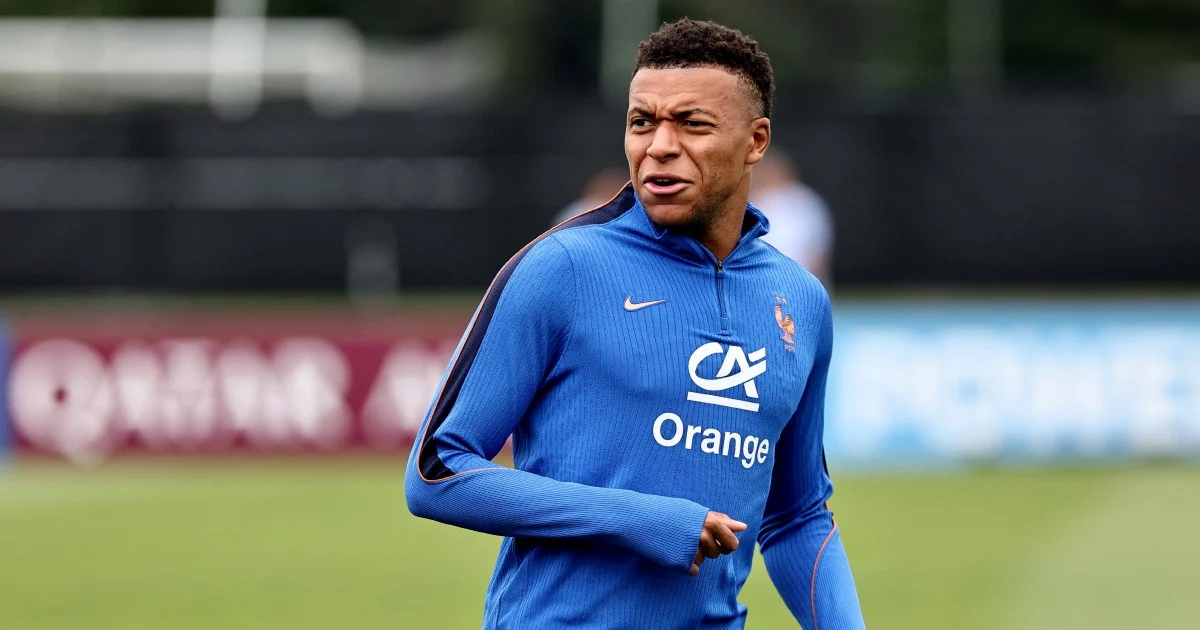
French prosecutors in Paris have formally launched an investigation targeting a Paraguayan lawmaker whose public statements concerning football superstar Kylian Mbappé prompted official action from the French state. The decision to open the inquiry came through announcement by the Paris public prosecutor's office on Tuesday, marking an unusual intersection of international diplomacy, legislative politics, and professional sports.
The move reflects how comments attributed to elected officials can draw serious legal scrutiny in democracies where hate speech and discriminatory remarks fall under formal investigation protocols. In France, such matters are treated with particular gravity, especially when they involve figures in the public eye or could constitute violations of laws protecting individuals from targeted harassment or defamatory statements.
Mbappé stands as one of global football's most prominent personalities, both as the captain of the French national team and as one of sport's highest-paid athletes. His profile extends far beyond sporting circles into mainstream media and popular culture across Europe and beyond. Any inflammatory or controversial remarks directed at such a widely recognised figure inevitably attract governmental attention in countries with robust legal frameworks addressing public discourse.
The investigation underscores the reality that statements made by international legislators are no longer confined to domestic political contexts. In an interconnected world where social media enables instantaneous global reach and diplomatic relations span continents, utterances by elected representatives from one nation addressing personalities or issues in another can trigger formal legal proceedings. Paraguay and France maintain diplomatic relations, yet this development illustrates how individual speech by legislators can create bilateral complications.
The precise nature of the Paraguayan lawmaker's remarks and their content remain crucial to understanding why prosecutors determined investigation was warranted. Such decisions typically involve assessing whether statements crossed thresholds into categories like defamation, incitement, discriminatory speech based on protected characteristics, or other legally prohibited forms of expression. French law maintains particular sensitivity regarding discriminatory comments, reflecting the country's historical experience and constitutional commitments.
For Malaysian readers, this situation offers instructive parallels regarding how different jurisdictions handle inflammatory public speech by elected officials. Malaysia's own legal framework encompasses several mechanisms for addressing defamatory or incendiary statements, including parliamentary privilege considerations that generally protect legislators making remarks in official settings, yet still establish boundaries. The French approach demonstrates how some democracies extend investigation and potential prosecution beyond traditional legislative immunity when statements are deemed sufficiently egregious.
The involvement of prosecutors rather than civil litigation emphasises the severity with which French authorities regard the matter. Criminal investigations represent state action differing fundamentally from private lawsuits, indicating the government considers potential public interest violations warranting official enforcement resources. This escalation suggests the remarks likely involved more than simple criticism or disagreement regarding Mbappé's athletic performance or professional choices.
The decision also reflects broader conversations about standards for public discourse in democratic societies. Elected officials occupy positions of trust and influence, carrying both rights to free expression and responsibilities to conduct themselves with certain restraint. When lawmakers deploy inflammatory rhetoric, particularly toward identifiable individuals, questions arise regarding whether democratic privileges should extend protection or whether accountability mechanisms should apply.
Such diplomatic friction, while manageable between established Western allies, illustrates risks inherent when legislators deploy provocative language without considering international dimensions. Paraguay's government and diplomatic corps may find themselves addressing the investigation's implications, potentially requiring official responses clarifying whether such remarks reflected personal opinions or represented any broader institutional position.
The Mbappé case arrives amid broader scrutiny of athlete safety and dignity in professional sports. High-profile players increasingly face targeted harassment online and through public statements, creating legitimate concerns about whether current regulatory frameworks adequately protect individuals despite their celebrity status. Prosecutors' intervention suggests recognition that institutional mechanisms should extend protection beyond what private platforms or sports organisations alone can provide.
For the football world specifically, the investigation signals that comments about players—particularly those with national team responsibilities—may trigger legal consequences in jurisdictions where such remarks violate applicable law. This development carries implications for political discourse standards involving sports figures, particularly as athletes increasingly carry cultural significance transcending sport itself.
The investigation's outcome remains uncertain, but the decision to formally pursue it demonstrates that neither international status nor legislative position necessarily immunises individuals from legal accountability in jurisdictions where their statements reach and violate local legal standards regarding permissible public expression. The case exemplifies how contemporary politics increasingly operates without borders, creating complex scenarios where actions in one country generate consequences in another.

