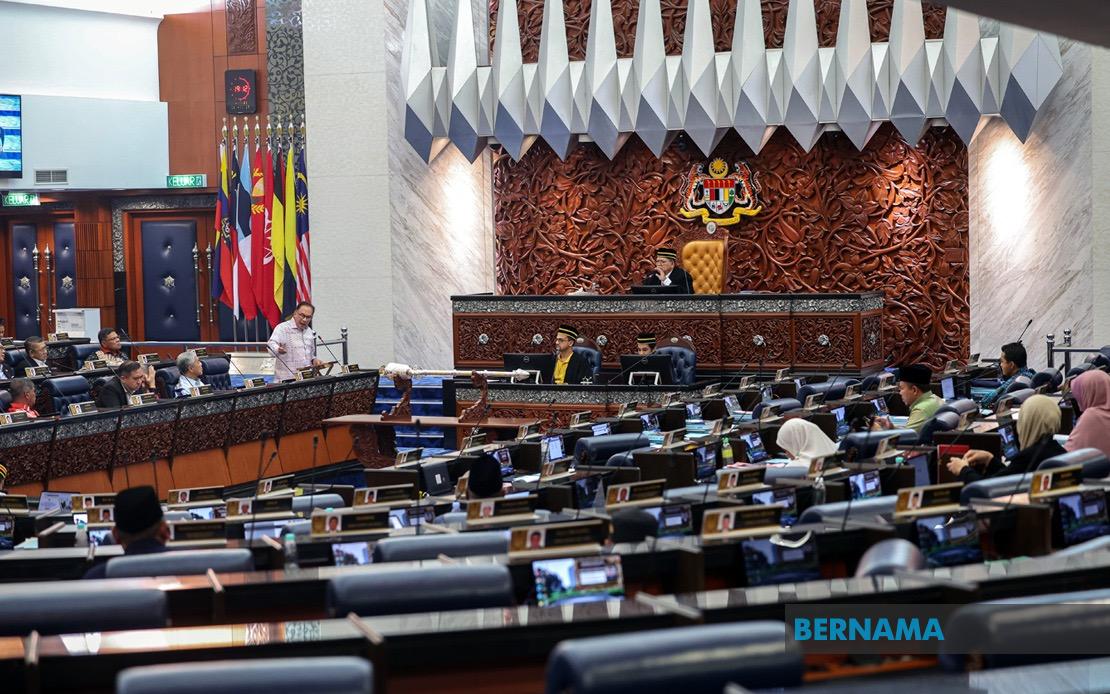
Malaysia's parliament has endorsed a comprehensive legislative response to child sexual exploitation, with lawmakers across party lines proposing an array of measures designed to close legal gaps and enhance enforcement capabilities. During debate on the Sexual Offences Against Children (Amendment) Bill 2026, 26 MPs tabled suggestions that collectively reflect growing parliamentary concern about the sophistication of offenders who exploit regulatory differences between countries and technological vulnerabilities affecting minors.
The amendment to the Sexual Offences Against Children Act 2017 (Act 792) represents a critical expansion of Malaysia's legal jurisdiction, permitting authorities to prosecute perpetrators even when crimes occur outside Malaysian borders. This territorial extension addresses a recognised vulnerability in the current framework: predators have previously leveraged weaker enforcement regimes in neighbouring jurisdictions to conduct illegal activities with reduced consequence. By establishing extra-territorial legal reach, the legislation aims to eliminate safe havens for Malaysian nationals engaged in child sexual exploitation abroad.
Cross-border cooperation emerged as a priority theme throughout the parliamentary session. Abd Ghani Ahmad of PN-Jerlun emphasised Malaysia's underutilisation of the Mutual Legal Assistance (MLA) mechanism and extradition procedures, arguing that these established international tools remain underdeployed in pursuing perpetrators who operate across borders. He advocated for enhanced coordination bridging multiple government agencies—the Royal Malaysia Police, Immigration Department, Attorney-General's Chambers, Department of Social Welfare, hospitals, and schools—to facilitate seamless information sharing, digital evidence preservation, and prosecution pathways. This institutional integration, he suggested, would reduce investigative delays and strengthen the evidentiary chain.
Datuk Seri Doris Sophia Brodi of GPS-Sri Aman proposed establishing a dedicated task force specialising in digital sexual crimes against children, recognising that online exploitation represents a rapidly evolving threat vector. Such a unit would consolidate expertise across relevant departments and coordinate response to cross-border digital offences. Beyond enforcement, Brodi advocated intensified digital safety education in schools and parental awareness programmes targeting the identification of online grooming tactics and early warning signs of exploitation—an approach acknowledging that prevention education complements legal remedies.
Victim-centred reform featured prominently in parliamentary contributions. Brodi stressed that prosecution alone proves insufficient, emphasising the necessity of comprehensive victim rehabilitation incorporating psychological counselling, financial assistance, identity protection, and extended recovery support. This framework recognises that survivors of child sexual abuse experience protracted trauma requiring sustained institutional assistance beyond the criminal justice process. Datuk Mas Ermieyati Samsudin of PN-Masjid Tanah proposed establishing a specialised prosecution unit dedicated exclusively to child sexual offences, expanding the pool of child psychology specialists within public facilities, and creating a dedicated victim fund addressing psychological treatment, legal, and rehabilitation expenses. These measures would formalise victim support within institutional structures rather than leaving assistance to ad-hoc arrangements.
A national sexual offender registry with controlled access emerged as another significant proposal. Young Syefura Othman of PH-Bentong advocated for a database system comparable to established international registries, permitting regulated access by enforcement agencies and child-facing institutions including schools, childcare facilities, welfare homes, and religious centres. The underlying logic emphasises preventing convicted offenders from securing positions providing access to children. Othman further recommended mandatory background screening for all individuals—employees and volunteers alike—working within child-adjacent environments spanning schools, tahfiz centres, sports clubs, nurseries, and welfare facilities. This preventative approach treats institutional gatekeeping as a critical safeguard.
The legislative debate reflects both government and opposition alignment on child protection priorities, though implementing these proposals requires significant budgetary allocation and institutional reform. Malaysia joins other Southeast Asian jurisdictions grappling with child sexual exploitation, where technological connectivity, incomplete international legal harmonisation, and resource constraints complicate enforcement. The Sexual Offences Against Children Amendment Bill represents recognition that existing legislation contains prosecutorial limitations and victim protections gaps requiring systematic remediation.
RSN Rayer of PH-Jelutong focused on strengthening investigative capacity through expanded task force membership, acknowledging that sophisticated cases demand sufficient human resources and specialised training. The emphasis on investigative personnel reflects practical constraints: inadequate staffing has historically contributed to case backlogs and delayed prosecutions. Expansion of investigative teams directly addresses this bottleneck, though requires corresponding budgetary commitments and specialist recruitment pipelines.
The amendment's framers recognised that Malaysia faces reputational and legal risks if permissive enforcement inadvertently facilitates predatory behaviour. By establishing extra-territorial jurisdiction and enhancing domestic enforcement mechanisms, legislators aim to eliminate the perception that Malaysia offers jurisdictional refuge. This alignment of legal frameworks with enforcement intensity represents a precondition for genuine deterrence, as perpetrators respond not merely to laws on paper but to demonstrated institutional capacity and political will to prosecute vigorously.
Parliamentary debate concluded with the session adjourning until the following day, indicating further considerations remained. The broad cross-party support for strengthening child protection measures suggests likely legislative passage, though implementation success hinges on executive resource allocation, inter-agency coordination, and sustained political priority. Regional observers anticipate the amendments may prompt comparable legislative initiatives across Southeast Asia, establishing higher protective standards that address transnational child exploitation through coordinated legal frameworks.

