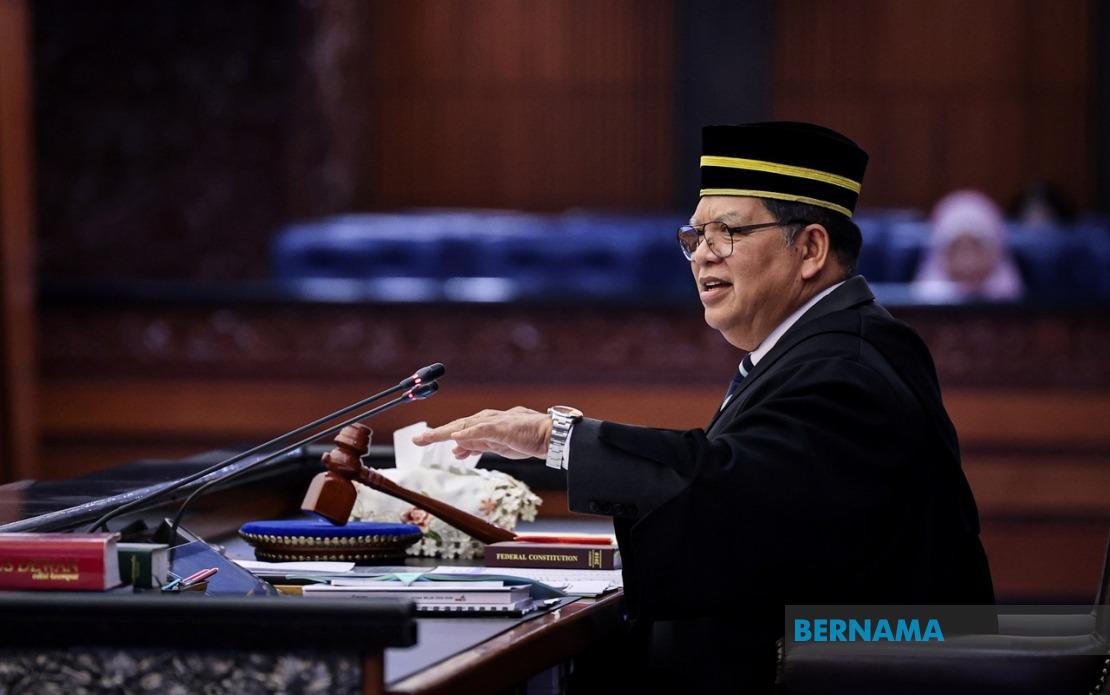
The Malaysian Parliament's second sitting of its current five-year term wrapped up on July 16 following an extended debate period that began on June 22. Dewan Rakyat Speaker Tan Sri Dr Johari Abdul confirmed the adjournment and provided an overview of legislative achievements and administrative matters addressed during the 16-day session. The completion of this sitting marks another milestone in the current parliamentary cycle, with members returning to their constituencies before the anticipated general election campaign period.
The legislative agenda proved particularly comprehensive, with parliamentarians ratifying 13 distinct pieces of legislation alongside numerous motions and special debates. Among these measures were the Road Transport (Amendment) Bill 2026, designed to refine regulations governing land-based vehicle operations, and the Sexual Offences Against Children (Amendment) Bill 2026, which strengthens legal protections for minors. The passage of the Cybercrimes Bill 2026 represents a significant step forward in addressing digital-era criminal activities, a pressing concern as Malaysia continues to grapple with rising online fraud and cybersecurity threats affecting both individuals and businesses across the nation.
The competition-related legislation passed during the session—comprising the Competition (Amendment) Bill 2026 and its corresponding commission amendment—signals the government's commitment to maintaining fair market practices. These bills establish clearer frameworks for regulating commercial behaviour and ensuring that monopolistic practices do not disadvantage consumers or smaller enterprises seeking to participate in Malaysia's increasingly dynamic marketplace. The amendments are anticipated to provide enforcement bodies with enhanced tools to investigate and penalise anti-competitive conduct.
Agricultural and food security matters also received legislative attention through the Control of Padi and Rice (Amendment) Bill 2026. This measure addresses production, distribution, and pricing mechanisms within Malaysia's rice sector, a commodity historically significant to national food security and rural livelihoods. The amendment reflects ongoing efforts to balance the interests of farming communities with consumer affordability and market stability.
Social welfare and procedural justice were reinforced through two additional bills: the Witness Protection (Amendment) Bill 2026 and the Social Work Profession Bill 2026. The witness protection legislation enhances safeguards for individuals who testify in legal proceedings, particularly in sensitive cases involving organised crime or corruption. The social work profession bill, meanwhile, establishes formal qualifications and ethical standards for practitioners in this vital field, elevating the professional status of social workers across Malaysia's healthcare, education, and community development sectors.
The communications and media regulatory landscape underwent refinement with the passage of both the Communications and Multimedia (Amendment) Bill 2026 and the Malaysian Communications and Multimedia Commission (Amendment) Bill 2026. These legislative changes adapt Malaysia's digital governance framework to evolving technological realities and consumer protection requirements. Additionally, parliamentarians approved the National Trust Fund Bill 2026 and the Statistics Bill 2026, the latter establishing protocols for data collection and analysis essential to evidence-based policymaking across government agencies.
Beyond formal legislative business, the session incorporated several complementary activities designed to enhance parliamentary oversight and transparency. Three dedicated ministerial briefings occurred within the main chamber, while the Special Chamber hosted an additional minister's briefing. Six separate presentations by Select Committee chairmen detailed findings from investigative reports, enabling the broader parliament to scrutinise government performance and agency accountability. These activities underscore the chamber's role not merely as a legislative venue but as a platform for sustained parliamentary scrutiny of executive functions.
During his adjournment remarks, Speaker Johari emphasised the importance of preventive health measures among the 222 members. He urged all parliamentarians to complete mandatory health screenings before October 30 and lodge their medical records with the parliamentary administration. This directive reflects growing recognition among parliamentary leadership that sustained legislative capacity depends upon the physical wellbeing of individual members, particularly given the demanding schedule of parliamentary sittings, constituency work, and forthcoming election activities.
The speaker's reference to the upcoming election campaign season held particular significance, as it signals the imminence of Malaysia's next general election. Parliament members will disperse across the nation's 222 constituencies to campaign, requiring them to maintain their health and energy levels amid intensive public engagement and travel. The speaker's exhortation served as both a practical health advisory and an implicit acknowledgment of the political juncture Malaysia faces.
Parliamentary staff, media organisations, and government agencies received commendation from Speaker Johari for their contributions to the session's smooth operation. The coordination required to manage legislative schedules, committee operations, media accreditation, and security across 16 consecutive sitting days involves hundreds of individuals operating across multiple institutions. This recognition reflects the collective institutional effort underlying Malaysia's parliamentary system, extending recognition beyond politicians to the administrative apparatus supporting democratic governance.
The adjournment of this sitting leaves the next parliamentary reconvening date to be determined by the Speaker's office in consultation with government leadership. The timing will likely depend on the progression toward the anticipated general election, with parliament potentially reconvening after electoral processes conclude. This uncertainty is typical of Malaysian parliamentary practice, particularly during periods approaching major electoral events when the composition of the chamber may change substantially.
The completion of this 16-day session with 13 bills passed demonstrates sustained legislative productivity during Malaysia's current parliamentary term. The breadth of legislation—spanning transport, cybercrime, child welfare, competition, agriculture, witness protection, social services, communications, finance, and statistics—reflects the multifaceted governance challenges confronting modern Malaysia. These enactments will shape regulatory environments affecting virtually every sector of Malaysian society and economy, with implications extending across Southeast Asia's largest economy.

