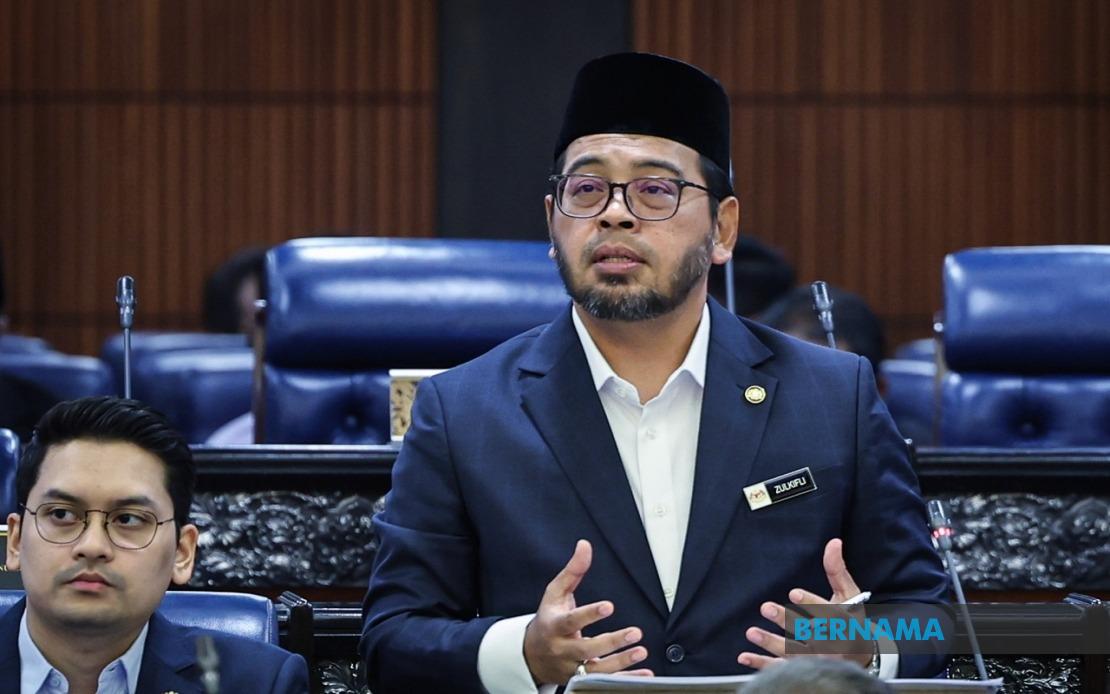
Concerns about institutional weakness and mismanagement dominated a marathon 10-hour parliamentary session on the Royal Commission of Inquiry findings into Lembaga Tabung Haji, with legislators across the chamber demanding comprehensive reforms to restore confidence among the nation's 10 million haj fund depositors. Thirty-nine MPs participated in the special Dewan Rakyat sitting held on August 11, amplifying recurring themes: the urgent need to overhaul governance structures, pursue accountability for those responsible for massive financial losses, and insulate the organisation from political pressure. The breadth of reform proposals reflected deep concerns that TH's institutional failures between 2014 and 2020 required more than cosmetic adjustments to prevent future crises.
The scale of financial deterioration facing TH painted a sobering picture of mismanagement. Minister of Finance II Datuk Seri Amir Hamzah Azizan outlined nearly RM13 billion in losses spanning 14 problematic investments, with seven investments completely wiped out. The government bore RM10.2 billion through a 2018 rescue via Urusharta Jamaah Sdn Bhd, while TH itself absorbed RM2.6 billion in impairment losses between 2018 and 2025 on investments that remained under its control. One particularly egregious case involved Al-Rawda Real Estates Development & Project Management Co Ltd, which received 1.4 billion Saudi riyals—approximately RM1.5 billion—through an intermediary to lease four hotels in Madinah and Makkah for pilgrims, only to default on rental payments and trigger a RM1 billion impairment writedown in 2024.
Parliamentarians zeroed in on legislative gaps as a fundamental vulnerability. The Tabung Haji Act 1995 requires comprehensive amendment to strengthen investor protections and establish clearer governance frameworks that cannot be circumvented through executive discretion or informal arrangements. Lawmakers highlighted the necessity of robust oversight mechanisms for both investment decisions and financial management practices, recognising that the current legal architecture had proven insufficient to prevent serious breaches. The legislative reform agenda reflected awareness that institutional safeguards must be fortified to survive leadership transitions and resist external political pressures that might compromise depositor interests.
Accountability emerged as a persistent parliamentary demand, with multiple MPs insisting that the RCI's conclusions be followed by thorough investigations and transparent enforcement actions against individuals found culpable for misconduct. Several detentions had already occurred in connection with alleged bribery, abuse of authority, and governance violations, signalling that authorities were moving beyond the inquiry phase. However, legislators emphasised that prosecutions must be visible, comprehensive, and signal genuine consequences for institutional betrayal. The emphasis on transparency reflected understanding that public confidence depends not only on reform implementation but on demonstrable accountability for past failures.
Government representatives acknowledged the gravity of depositor concerns while defending recovery measures already undertaken. Minister in the Prime Minister's Department (Religious Affairs) Dr Zulkifli Hasan detailed reform efforts implemented since 2018, contending that governance strengthening and investment quality improvements had stabilised TH's financial position. Critically, the government had maintained the pilgrimage cost at RM33,300 across three consecutive seasons from 2024 to 2026, protecting Muslims' ability to perform the haj despite institutional turbulence. However, Zulkifli emphasised a crucial principle: institutional strength must rest not on individual leaders but on entrenched systems, controls, and governance principles that survive personnel changes. This framing acknowledged that reliance on particular individuals represented precisely the vulnerability that had enabled the crisis.
Zulkifli's closure remarks underscored the government's systemic reform philosophy: decisions should derive from law, policies, procedures, and checks-and-balances rather than individual discretion, with depositor interests maintained as the paramount consideration. The articulation of this principle represented tacit acknowledgment that TH's vulnerability had stemmed partly from inadequate institutional guardrails. By stressing that governance must be anchored in processes rather than personalities, the government signalled commitment to structural transformation beyond leadership changes. This resonated with parliamentary concerns that temporary administrative adjustments would prove insufficient without deeper institutional redesign.
The government welcomed a proposal to establish a multi-agency task force investigating investments at risk of loss, signalling receptivity to enhanced cross-institutional oversight. This approach acknowledged that TH's problems reflected not merely internal management failures but potentially systematic weaknesses in how government-linked institutions approach investment decisions. A coordinated investigative mechanism suggested recognition that preventing recurrence required vigilance beyond TH's own structures. The proposal implicitly endorsed the notion that depositor protection depended on proactive risk identification and escalation rather than reactive crisis management.
Parliamentary proceedings also revealed fault lines over opposition participation. Several opposition MPs boycotted the debate, drawing sharp criticism for abdicating their constitutionally mandated oversight role and failing to represent the interests of more than 10 million depositors who entrusted savings to TH. Critics contended that institutional accountability depended on robust cross-party scrutiny, and that selective engagement undermined parliamentary effectiveness in monitoring crisis response. The controversy highlighted tensions over how extensively partisan considerations should influence engagement with issues affecting Muslims' religious obligations and retirement security.
The RCI report, released publicly on July 29 after government-implemented delay intended to allow TH remedial action, documented management and operational weaknesses across a seven-year period and proposed 25 recommendations. As of late July, TH had implemented approximately 75 percent of these recommendations, demonstrating substantial but incomplete progress. The government's decision to delay publication provoked some scrutiny over whether withholding findings from public view represented appropriate crisis management or improper information control. Ultimately, publication enabled the parliamentary debate and confirmed that transparency around institutional failures, while politically uncomfortable, was essential for restoring public confidence.
For Malaysian stakeholders and Southeast Asian observers, the TH crisis and parliamentary response offer cautionary lessons about governance risks facing government-linked institutions managing substantial public assets. The scale of losses—representing failures of investment oversight, intermediary vetting, and executive accountability—underscores vulnerabilities that extend beyond TH. The emphasis on legislative reform, institutional process fortification, and transparent investigation reflects growing recognition across government and parliament that institutional resilience requires structural transformation beyond leadership rotation. For Malaysia's broader institutional landscape, the TH case demonstrates both the political and financial costs of governance lapses and the necessity of embedding accountability mechanisms within institutional design rather than relying on individual integrity or oversight goodwill.

