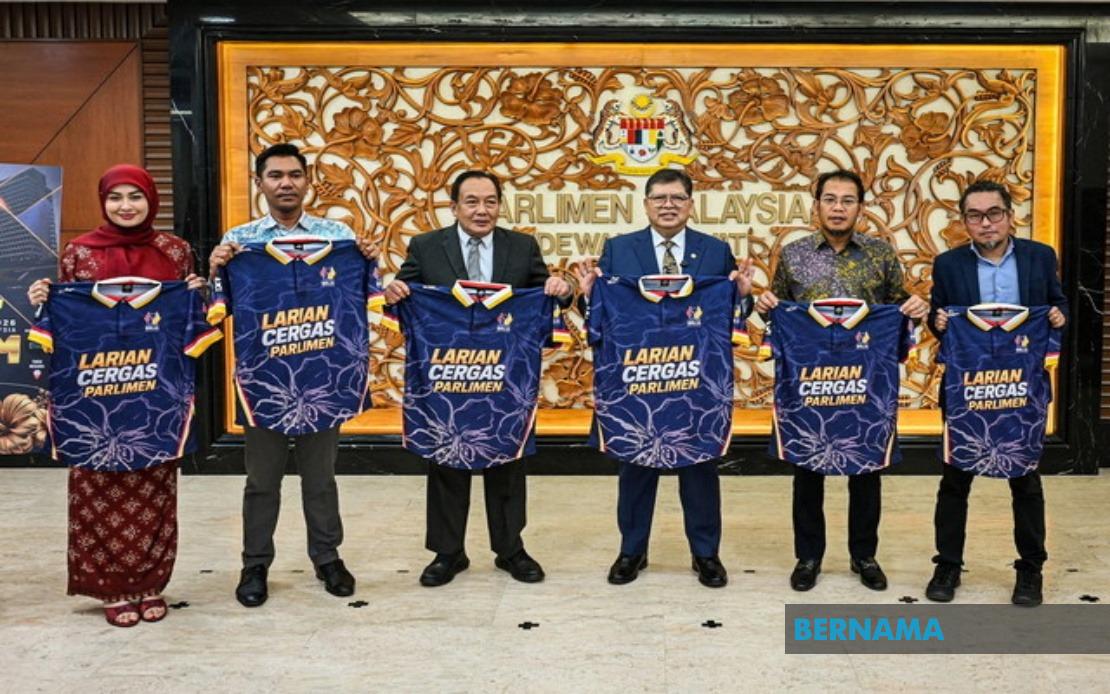
Malaysia's Parliament is taking a bold step toward promoting wellness across the nation's leadership and citizenry through the inaugural 'Larian Cergas Parlimen' fun run scheduled for July 25. Organised under the auspices of the Malaysian Youth Parliament secretariat, the initiative represents Parliament's commitment to demonstrating that elected representatives can be visible advocates for healthy living in an increasingly sedentary society. Dewan Rakyat Speaker Tan Sri Datuk Dr Johari Abdul unveiled the programme at Parliament House on July 9, signalling what organisers hope will become a recurring fixture in Malaysia's public health calendar.
The five-kilometre course will commence and conclude at the Parliament building, winding through several of Kuala Lumpur's most iconic locations including the revered Tugu Negara national monument. This routing is deliberately symbolic, connecting the heart of Malaysia's democratic institutions with symbols of national pride and identity. By anchoring the run within Parliament's immediate geography, organisers aim to transform the legislative complex from a space of institutional governance into a venue of public engagement and shared civic wellness. The choice of landmarks also ensures visibility and accessibility for participants unfamiliar with central Kuala Lumpur's less traversed routes.
Speaker Johari articulated a broader vision for the initiative, describing it as more than a single sporting event. He positioned elected officials from both chambers of Parliament as potential ambassadors for wellness, responsible for championing healthy practices within their constituencies and among younger generations. This framing moves beyond typical parliamentary functions into the realm of lifestyle leadership—a recognition that lawmakers' personal choices and visible commitment to fitness carry symbolic weight in shaping public attitudes. The emphasis on youth reflects growing concerns about sedentary behaviour and lifestyle-related diseases among Malaysian young people, issues compounded by digital engagement and urbanisation.
The initiative emerges against a backdrop of documented health challenges affecting Malaysia's political class. Johari acknowledged that parliamentary duties frequently impose demanding schedules that push elected representatives away from regular physical activity and balanced living. Heavy legislative workloads, interstate travel, and the pressure of constituent engagement create an environment where personal wellness often becomes secondary. By institutionalising a collective fitness event, Parliament signals an intention to normalise health consciousness within its ranks and demonstrate that demanding careers need not preclude active living. This represents a subtle but important cultural shift within Malaysia's power structures.
Public participation forms a crucial component of the fun run's philosophy and reach. Rather than restricting the event to lawmakers alone, organisers explicitly welcomed members of the general public to register and participate. This inclusive approach transforms the initiative from an elite institutional exercise into a genuine grassroots wellness movement that happens to originate from Parliament. Malaysian citizens gain a rare opportunity for direct participation in a Parliament-anchored event, potentially strengthening connections between elected representatives and the communities they serve while contributing to broader national fitness objectives.
Speaker Johari expressed aspirations for the programme to expand beyond the federal capital into Malaysia's thirteen state legislative assemblies. Such a nationwide rollout would create a coordinated network of wellness initiatives across the country, with state assemblies mirroring Parliament's commitment to legislator health advocacy. This cascading approach recognises that healthy living campaigns require systemic reinforcement across multiple governance levels and geographic regions. Should state legislatures embrace the concept, Malaysia could develop a distinctive model where democratic institutions explicitly position themselves as champions of public wellbeing.
The timing of the fun run—scheduled for late July—places it outside the most oppressive heat periods while remaining accessible for working professionals. The five-kilometre distance, while challenging for casual participants, remains achievable for individuals across a broad fitness spectrum, encouraging maximum participation rather than excluding less athletic members of the public or Parliament. This careful calibration reflects thoughtful programme design intended to balance ambition with accessibility.
For Malaysian readers, the initiative carries significance beyond its immediate health-promotion objectives. It represents Parliament's recognition that contemporary governance must address lifestyle and wellness concerns affecting the nation. The visibility of lawmakers participating in public fitness activities sends powerful messages about the compatibility of political responsibility with personal health consciousness. In a region where parliamentarians' public profiles often emphasise formal duties and policy positions, a fun run introduces a humanising dimension that many citizens rarely associate with elected representatives.
The 'Larian Cergas Parlimen' also reflects Malaysia's broader commitment to health security and disease prevention. As Southeast Asia grapples with rising obesity rates, diabetes prevalence, and lifestyle-related chronic diseases, Parliament's institutional endorsement of fitness demonstrates government recognition of these public health imperatives. When lawmakers visibly participate in wellness activities, they implicitly acknowledge that healthy living constitutes a legitimate policy concern deserving public resources and political attention.
Registration details for the July 25 event remain available through official channels, with organisers encouraging both parliamentary members and members of the public to commit to the initiative. The success of this inaugural effort will likely determine whether the fun run becomes an established feature of Malaysia's democratic calendar, potentially inspiring similar wellness-focused initiatives across Southeast Asia's parliamentary systems.

