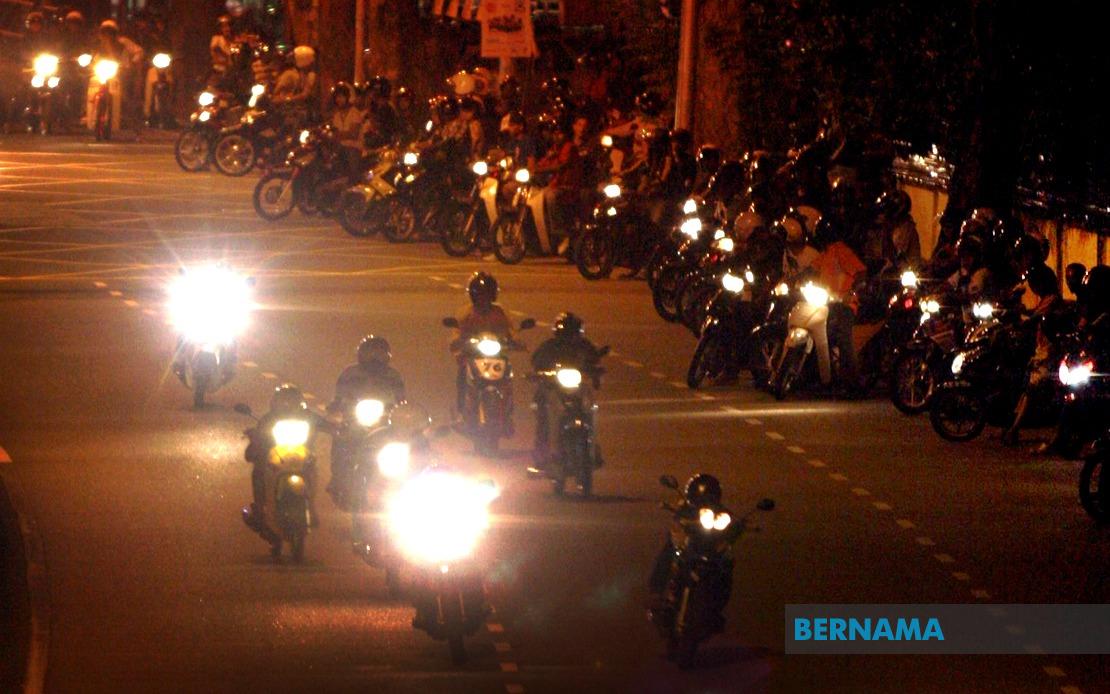
Parliamentary members convened in the Dewan Rakyat on June 23 to discuss strengthened legal frameworks against illegal street racing, with lawmakers from both government and opposition benches proposing a multifaceted approach that extends beyond traditional fines and imprisonment. The debate on the Road Transport (Amendment) Act 2026 revealed growing frustration with persistent racing culture and highlighted the need for comprehensive deterrence mechanisms that address both individual offenders and the ecosystem enabling these dangerous activities.
Among the most significant proposals advanced during the debate was the introduction of permanent revocation of driving licences for those convicted of illegal street racing. Datuk Willie Mongin, representing Puncak Borneo, argued that such penalties would signal serious governmental intent. He recommended setting minimum fines at RM300,000 or imprisonment for five years, coupled with permanent loss of driving privileges. The severity of this proposal reflects mounting concern about the consequences of uncontrolled racing on Malaysian roads, where incidents have resulted in loss of life and extensive property damage.
Parliamentary members also emphasised the need for rehabilitative intervention rather than purely punitive measures. Khairil Nizam Khirudin from Jerantut suggested implementing a specialised rehabilitation programme incorporating disciplinary education and community service alongside existing penalties. This approach acknowledges that deterrence alone may prove insufficient without addressing underlying attitudes towards road safety and the appeal of racing culture, particularly among younger demographics susceptible to such activities.
The discussion extended to accountability within family structures, with proposals that parents of offenders bear responsibility for their children's actions. This reflects a broader societal approach to enforcement, recognising that family influence plays a critical role in discouraging dangerous behaviour. By creating legal consequences that impact households rather than individuals in isolation, lawmakers hope to mobilise household-level pressure against illegal racing involvement.
Another crucial dimension of the parliamentary debate concerned the modification of motorcycles and vehicles specifically engineered for racing purposes. Lawmakers called for coordinated action between the Ministry of Transport and the Ministry of Domestic Trade and Cost of Living to regulate and penalise workshops conducting illegal modifications. Using existing provisions under Section 66 of the Road Transport Act 1987, authorities could develop targeted regulations against businesses facilitating illegal racing infrastructure. This addresses the supply chain supporting street racing rather than focusing exclusively on driver behaviour.
The proposals also sought to expand coverage beyond motorcycles to encompass all vehicle types, following a sobering incident in Simpang Renggam, Johor on June 1 involving high-powered cars that resulted in fatalities. Wan Razali Wan Nor highlighted how luxury vehicles engaged in street racing pose equally severe risks, sometimes more dangerous than motorcycle racing due to higher speeds and greater collision impact. The parliamentary debate thus emphasised that legislative amendments should apply universally across all vehicle categories rather than targeting motorcycles exclusively.
Destructive measures were proposed as additional deterrents, with some MPs suggesting that excessively modified vehicles be confiscated and destroyed rather than merely impounded. Shaharizukirnain Abd Kadir advocated for vehicle destruction programmes as a stricter mechanism to combat illegal racing. This escalation reflects escalating parliamentary impatience with recurring violations and seeks to eliminate the equipment enabling racing activities, removing financial incentives for repeat offenders to continue modifications.
Beyond illegal racing specifically, the parliamentary debate extended to related road safety concerns, with particular attention to driving under the influence of alcohol and drugs. Multiple MPs urged strengthened provisions under Sections 44 and 45A to 45C of the Road Transport Act 1987 to ensure adequate protection and compensation for victims injured in accidents involving intoxicated drivers. Jeli MP Zahari Kechik proposed establishing formal compensation mechanisms covering hospital costs and welfare support, embedding victim assistance directly within the legal framework rather than treating it as secondary consideration.
The debate illustrated how parliamentarians view drunk and drug-impaired driving as requiring equivalent legislative attention and enforcement priority as illegal racing. Datuk Seri Dr Ismail Abd Muttalib emphasised strengthening existing enforcement mechanisms to prevent fatal accidents caused by impaired drivers, indicating that parliamentary members believe current legal structures lack sufficient enforcement muscle and victim protection provisions. This reflects recognition that Malaysia faces multiple interconnected road safety crises requiring coordinated legislative and enforcement responses.
The parliamentary participation spanned government and opposition benches equally, demonstrating cross-party consensus on the severity of road safety issues and the need for stronger legislative frameworks. With 24 MPs engaging substantively in debate, the discussion generated numerous proposals reflecting diverse perspectives on optimal deterrence strategies, victim protection, and rehabilitation approaches. The breadth of suggested amendments indicates that lawmakers view the Road Transport Amendment Act 2026 as an opportunity to comprehensively restructure Malaysia's approach to dangerous driving behaviours.
These proposals, if enacted, would establish Malaysia among Southeast Asia's stricter jurisdictions regarding illegal racing penalties and enforcement mechanisms. The combination of permanent licence revocation, substantial fines, imprisonment, mandatory rehabilitation, vehicle destruction, and family accountability creates a multi-layered deterrence system targeting offenders from various angles. Implementation effectiveness will depend on coordinated enforcement across relevant agencies and sustained political commitment beyond the parliamentary debate phase.
The parliamentary discourse also revealed underlying recognition that Malaysia's street racing problem reflects broader cultural and socioeconomic factors that legislation alone cannot address. While criminal penalties and rehabilitative programmes represent necessary components of comprehensive responses, parliamentary members implicitly acknowledged that sustained reduction in illegal racing requires complementary initiatives addressing youth employment, leisure opportunities, and social factors driving participation in dangerous activities. The debate thus functions as both legislative action and diagnostic assessment of road safety challenges requiring multidimensional governmental responses.