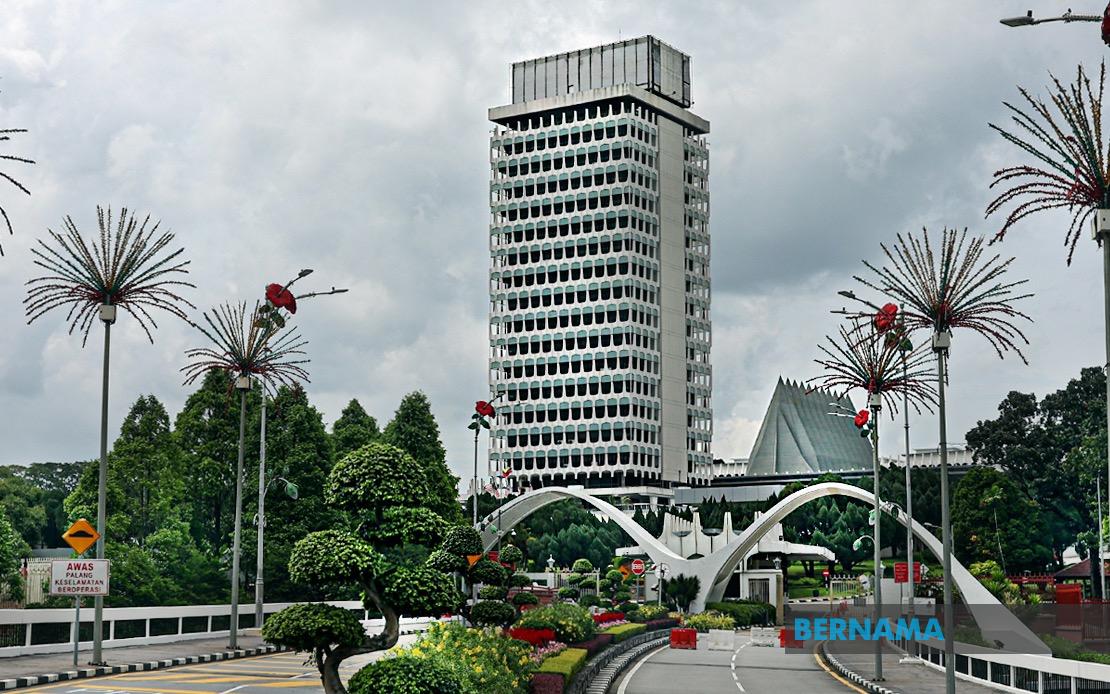
The Dewan Rakyat convenes today for Minister's Question Time with several pressing matters dominating the parliamentary agenda, including the deepening financing crisis confronting Malaysia's micro, small and medium enterprises and growing international concerns about the country's media freedom trajectory. The session, beginning at 10 am, will feature direct questioning of senior government ministers about their response to these interconnected challenges facing the nation's economic and democratic fabric.
Entrepreneur hardship in accessing business financing has emerged as a critical concern among Malaysia's MSME sector, which comprises the backbone of the national economy and employment landscape. Lee Chuan How, the Ipoh Timor representative from Pakatan Harapan, will press the Prime Minister on whether the MADANI administration recognises the mounting anxiety within this constituency regarding their capacity to obtain adequate financing for operational continuity and business expansion. This line of questioning reflects broader anxieties across the business community about institutional barriers to capital access and the adequacy of existing government support frameworks designed to assist smaller enterprises through their growth phases.
The MSME challenge carries particular resonance for Malaysia's economic resilience, given that small and medium businesses employ millions of workers and contribute substantially to gross domestic product and export revenue. Persistent difficulty in securing loans and credit facilities threatens not only individual business viability but also employment stability across sectors ranging from retail and manufacturing to services and agriculture. The question will likely probe whether the government has comprehensively assessed lending bottlenecks and whether current policy responses through development finance institutions and banks adequately address structural constraints in the financing ecosystem.
Separately, Malaysia's sliding international media freedom standings will come under parliamentary scrutiny following the country's decline to 95th position in the 2026 World Press Freedom Index, down from 88th the previous year. Ahmad Fadhli Shaari, representing Pasir Mas from Perikatan Nasional, will seek detailed explanation from the Prime Minister regarding this deteriorating ranking and the government's strategy for reversing negative perceptions about press sector independence. This regression, spanning seven positions within a single year, signals deepening concerns among international press freedom monitors about journalistic constraints and editorial autonomy within Malaysia's media landscape.
The implications of Malaysia's falling press freedom ranking extend beyond international reputation considerations. A declining position typically reflects assessments about regulatory pressures, self-censorship dynamics, or perceived government interference in news operations. For a Southeast Asian nation positioning itself as a regional economic and technology hub, such rankings influence foreign investor confidence, talent attraction, and diplomatic standing among democratic peers. The parliamentary question will inevitably explore whether the government views media freedom as integral to democratic governance and what concrete measures might reverse international assessments.
Additional parliamentary business will address accessibility and social welfare dimensions often overlooked in headline policy discussions. Aminolhuda Hassan from Sri Gading will enquire whether the government contemplates establishing a dedicated Senior Citizens-Friendly Fund to support mosques and prayer halls in installing age-appropriate facilities including wheelchair-accessible ramps and adapted sanitation amenities. This question reflects recognition that Malaysia's ageing demographic requires deliberate infrastructure adjustments to ensure dignity and inclusion for elderly worshippers participating in communal religious observance.
The parliamentary session will further accommodate debate on the 2024 Annual Report and Financial Statement of the Human Rights Commission of Malaysia, known as SUHAKAM, permitting detailed examination of institutional progress on rights protection matters throughout the previous financial year. This reporting mechanism provides transparency on case handling, investigation outcomes, and policy recommendations emerging from Malaysia's dedicated human rights body, allowing parliamentarians to assess governmental responsiveness to documented concerns.
Particularly significant for Malaysia's constitutional architecture, the House will also resume deliberation on the Constitution (Amendment) (No. 2) Bill 2026, which proposes separating the formerly unified offices of Attorney General and Public Prosecutor into distinct institutional positions. This constitutional reform carries substantial implications for judicial independence, prosecutorial discretion, and the separation of powers doctrine as understood within Malaysian governance. The proposed bifurcation represents a significant structural modification to executive legal apparatus that has historically concentrated both roles within a single individual, and parliamentary debate will likely examine safeguards, accountability mechanisms, and potential impacts on justice administration.
These converging parliamentary discussions illustrate Malaysia's ongoing navigation between economic development imperatives, democratic institutional integrity, and social inclusion priorities. The concentration of these issues within a single parliamentary sitting reflects accumulated pressure on lawmakers to address compound challenges affecting business confidence, international standing, and domestic governance quality simultaneously. Resolution of these matters will require coordinated policy responses spanning financial regulation, media policy, constitutional design, and social infrastructure investment across multiple government agencies and levels.
The parliamentary proceedings today will provide insight into governmental perspectives on these challenges and the legislative majority's appetite for substantive reform. Parliamentary questioning frequently generates commitments to further review or policy development, creating accountability touchpoints for civil society monitoring and subsequent parliamentary follow-up. For Malaysian observers and regional analysts tracking governance trends, today's ministerial responses will indicate whether these acknowledged difficulties will receive priority attention or remain perpetually consigned to future consideration.

