Dewan Rakyat Speaker Tan Sri Dr Johari Abdul has formally acknowledged receipt of notification confirming Larut MP Datuk Seri Hamzah Zainudin's reinstatement as opposition leader, clearing the way for the legislative chamber's June 22 session to proceed with updated parliamentary arrangements. The speaker's confirmation arrives at a pivotal moment for Malaysia's political landscape, as the nation's 15th Parliament enters its Fifth Session with what observers view as a realignment within the opposition bloc following recent political developments.
The acknowledgment represents an official administrative recognition of a transition that had gained momentum through political channels in recent weeks. Hamzah's elevation to the opposition frontbench role marks a significant shift in how Malaysia's parliamentary opposition will be structured and led during upcoming legislative business. This development underscores the fluid nature of opposition politics in Malaysia, where leadership positions have remained contested and subject to rapid change depending on coalition dynamics and party interests.
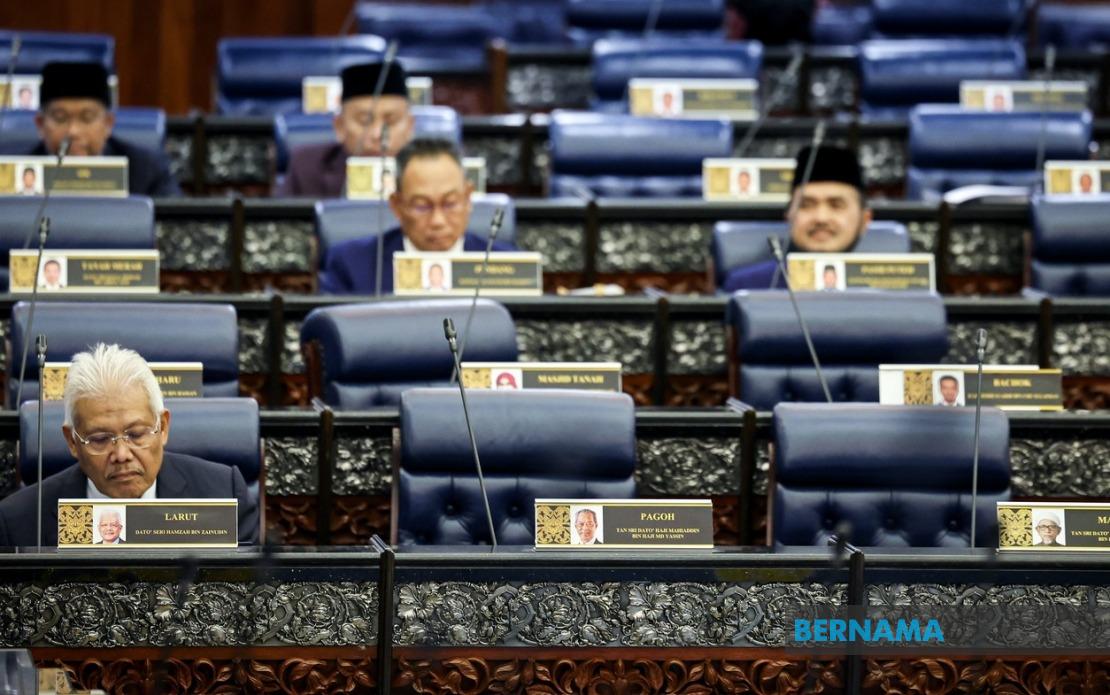
Alongside the confirmation of Hamzah's status, Parliament has implemented a broader reconfiguration of the chamber's physical layout that will take effect when the Dewan Rakyat reconvenes for its sitting schedule running from June 22 through July 16. Multiple members have been assigned new positions, reflecting both requests from individual MPs and administrative decisions aimed at optimising chamber operations. These modifications touch upon the practical mechanics of how Parliament conducts business, though they also carry symbolic weight regarding parliamentary hierarchies and coalition positioning.
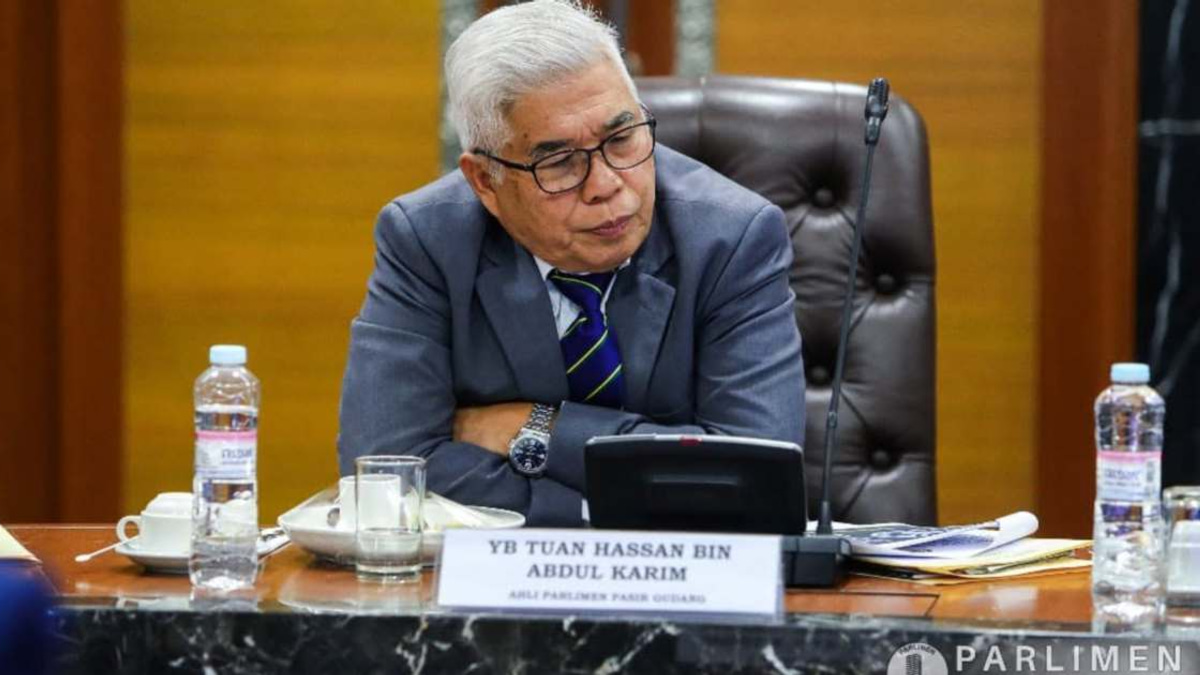
Pagoh MP and Bersatu president Tan Sri Muhyiddin Yassin has been allocated a seat in Block E of the Dewan Rakyat according to updated seating plans published on Parliament's official website as of June 19. The relocation occurred at Muhyiddin's request, suggesting a deliberate choice regarding his positioning within the chamber rather than a punitive reassignment. The decision to move the Bersatu leader from his previous location potentially reflects changing dynamics within his party or his role within opposition coalition structures as Parliament prepares for what promises to be an active legislative session.
Hamzah's seating arrangement on the opposition frontbench has remained fixed, maintaining his prominent placement alongside Kemaman MP and Perikatan Nasional chairman Datuk Seri Dr Ahmad Samsuri Mokhtar. This continuity suggests a deliberate effort to preserve the visual representation of opposition leadership coherence, with the opposition frontbench serving as the ceremonial and functional centre of the opposition's parliamentary presence. The frontbench positioning holds considerable importance in Malaysian parliamentary culture, as it determines both proximity to government benches during debates and visibility to media observers covering parliamentary proceedings.
The confirmation of Hamzah's role as opposition leader had already been foreshadowed through political announcements, most notably when PAS president Tan Sri Abdul Hadi Awang declared during the recent Reset Malaysia Convention that Hamzah had resumed his duties in this capacity. This earlier public statement provided political momentum for the formal administrative confirmation that the speaker's office has now issued. The Reset Malaysia Convention represented a significant gathering of opposition-aligned political forces, suggesting that the opposition coalition had reached consensus regarding its leadership structure before Parliament formally reconvened.
The Second Meeting of the Fifth Session of the 15th Parliament constitutes a relatively brief legislative window compared to some parliamentary sessions, spanning just over three weeks. Within this compressed timeframe, Parliament will need to dispatch a substantial legislative agenda while also accommodating the ceremonial and administrative functions that characterise parliamentary proceedings. The reconfigured seating arrangements will therefore take effect during an important period for government business and opposition scrutiny.
For Malaysian observers and political analysts, these developments represent significant indicators regarding the current stability and direction of the opposition alliance. The formal confirmation of Hamzah's opposition leadership role demonstrates that despite the volatility characterising Malaysian politics in recent years, the opposition has managed to establish clear leadership hierarchies and governance structures. This stability, however provisional, may enable more effective parliamentary oversight and constructive legislative engagement during the coming session.
The practical implications of the seating changes extend beyond mere symbolic positioning. Members' locations within Parliament influence their ability to participate effectively in debates, their visibility during question time, and their access to informal leadership and coordination networks. Muhyiddin's relocation to Block E, executed at his request, suggests calculations regarding his personal parliamentary strategy or his preferred position within broader coalition discussions. Such spatial arrangements, while appearing mundane, often reflect underlying strategic considerations within Malaysia's complex parliamentary ecosystem.
Looking forward, the June 22 opening of Parliament marks a moment when Malaysia's fragmented political landscape will display itself through both the formal seating arrangements and the substantive parliamentary debates that follow. With opposition leadership now formally clarified and physical arrangements confirmed, Parliament can proceed with established structures rather than navigating uncertainty regarding fundamental questions of representation and authority. The incoming session therefore commences with greater administrative clarity than might have been possible had these leadership and seating questions remained unresolved.