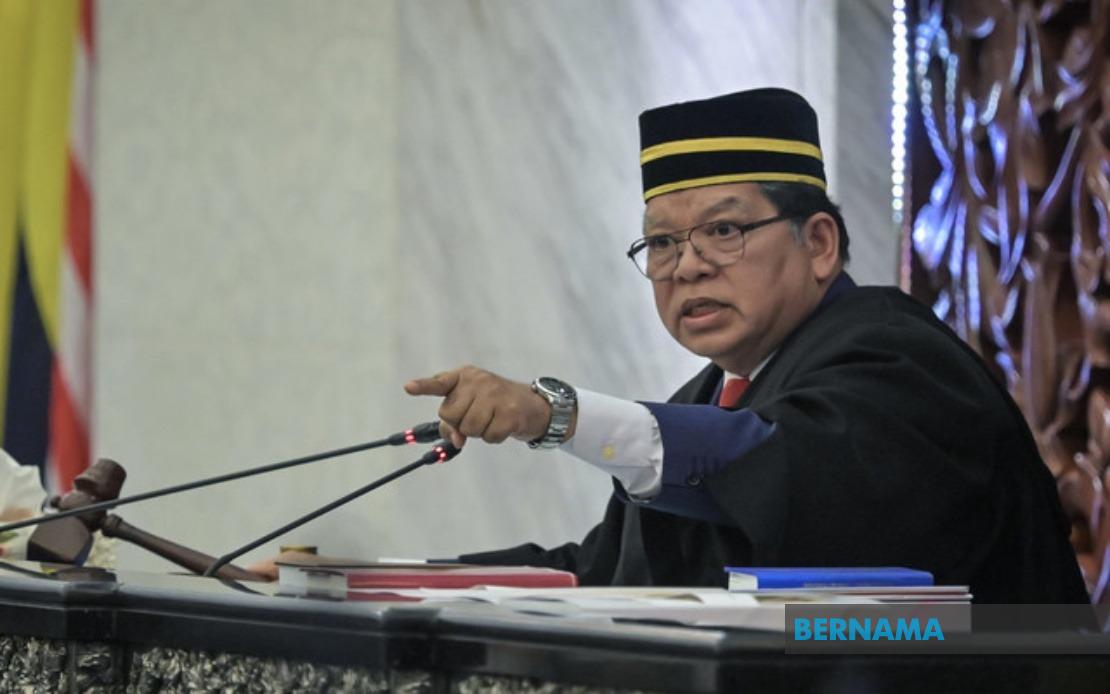
The Speaker of the Dewan Rakyat, Tan Sri Dr Johari Abdul, has underscored the importance of regular health examinations for Members of Parliament following an incident in which one legislator required emergency medical attention at the National Heart Institute. The reminder came during proceedings in Parliament, signalling institutional concern about the wellbeing of elected representatives amid their demanding schedules and responsibilities.
The catalyst for this public health advisory was the hospitalization of Kuala Terengganu MP Datuk Ahmad Amzad Hashim, who fell ill while attending Parliament. The incident unfolded during Minister's Question Time, preventing him from participating in subsequent parliamentary business, including a scheduled debate on the 2024 Annual Report of the Human Rights Commission of Malaysia. The sudden nature of the health crisis underscored the unpredictable risks faced by active parliamentarians.
Dr Johari's intervention reflects a broader institutional initiative to safeguard legislative colleagues through preventative medicine. The annual health screening programme, which has operated under Ministry of Health collaboration since 2023, represents a structured approach to early disease detection and health management within Parliament. By centralizing medical check-ups, the initiative aims to catch potential complications before they escalate into serious conditions requiring emergency intervention.
The Speaker articulated a compelling rationale for the screening programme during his address to the chamber. Early detection of health anomalies enables Members to pursue preventative strategies before critical incidents occur, whether through lifestyle adjustments, pharmaceutical intervention, or timely medical care. This proactive stance contrasts with reactive approaches that depend on emergency treatment after health crises materialize. For a body charged with national decision-making, maintaining legislator health becomes a matter of institutional continuity and governance capacity.
The Ministry of Health partnership demonstrates government recognition that parliamentary health extends beyond individual welfare to encompass legislative function itself. When MPs face sudden medical emergencies, parliamentary work suffers disruption, standing committees lose members, and legislative schedules require adjustment. By investing in preventative screening, the government addresses both humanitarian concerns for elected representatives and systemic efficiency within the legislative institution.
Dr Johari's public acknowledgment of the screening programme also serves a persuasive function within Parliament itself. By connecting the abstract benefits of health screening to a concrete recent incident, he contextualized why participation matters. Members who might otherwise view health examinations as routine bureaucratic obligations can now appreciate their direct relevance to risks they face in their working environment. The Speaker's appeal carries particular weight given his institutional position and his first-hand observation of parliamentary dynamics.
Participation in the screening programme appears to remain voluntary despite institutional encouragement, reflecting Malaysian parliamentary culture that balances health promotion with individual autonomy. The Speaker's emphasis on MPs who have already participated suggests that uptake, while growing, may not be universal. Some legislators might view screenings as unnecessary given their perceived health status, while others might struggle to schedule appointments amid parliamentary sessions and constituency work. Overcoming these practical and psychological barriers requires sustained advocacy from leadership.
The incident involving the Kuala Terengganu MP carries particular resonance for Malaysian readers concerned about legislator welfare and parliamentary continuity. Heart-related emergencies remain among leading health threats affecting middle-aged and older populations, demographics well-represented in Parliament. Early detection through screening could prevent similar incidents, protecting not only individual MPs but also preserving legislative capacity during critical parliamentary business.
The screening programme's continuation this year under Ministry of Health auspices indicates sustained government commitment to legislator health management. The institutional coordination between Parliament and the health sector demonstrates how preventative health initiatives can be embedded within specialized workplace environments. This model potentially offers lessons for other organizations managing high-stress professions where early health intervention could prevent emergency situations.
Dr Johari's remarks also subtly address broader questions about parliamentary culture and occupational health in Malaysia's legislative environment. Parliament operates with intense calendars, extended sitting hours, and significant mental demands. Legislators balance parliamentary duties with constituency responsibilities, often traveling extensively. These working conditions create elevated health risks that routine screening can help mitigate. By formalizing health management within Parliament, leadership acknowledges the occupational realities facing MPs.
The Speaker's expression of appreciation toward participating MPs and the Ministry of Health reflects collaborative governance in action. Such public acknowledgment encourages continued participation by framing health screening as a shared institutional responsibility rather than an individual burden. For the Ministry of Health, parliamentary partnership enhances its preventative health messaging beyond Parliament itself, modeling workplace health initiatives that private and public organizations might emulate.
Moving forward, the challenge for parliamentary leadership involves converting general encouragement into sustained individual engagement. Annual screening schedules must accommodate parliamentary sessions without conflicting with legislative business. Communication strategies should continue emphasizing concrete benefits and recent cautionary examples. Over time, normalization of regular health checks within Parliament could reshape legislator expectations about occupational health management.
The incident ultimately reflects broader societal conversations about health, work, and preventative medicine in Malaysia. As the nation's legislative body increasingly prioritizes health screening for its members, it sends signals about occupational health values that extend beyond Parliament itself. For Malaysian organizations managing aging workforces in demanding positions, the parliamentary health screening model provides both inspiration and practical framework for protecting worker wellbeing while maintaining institutional function.

