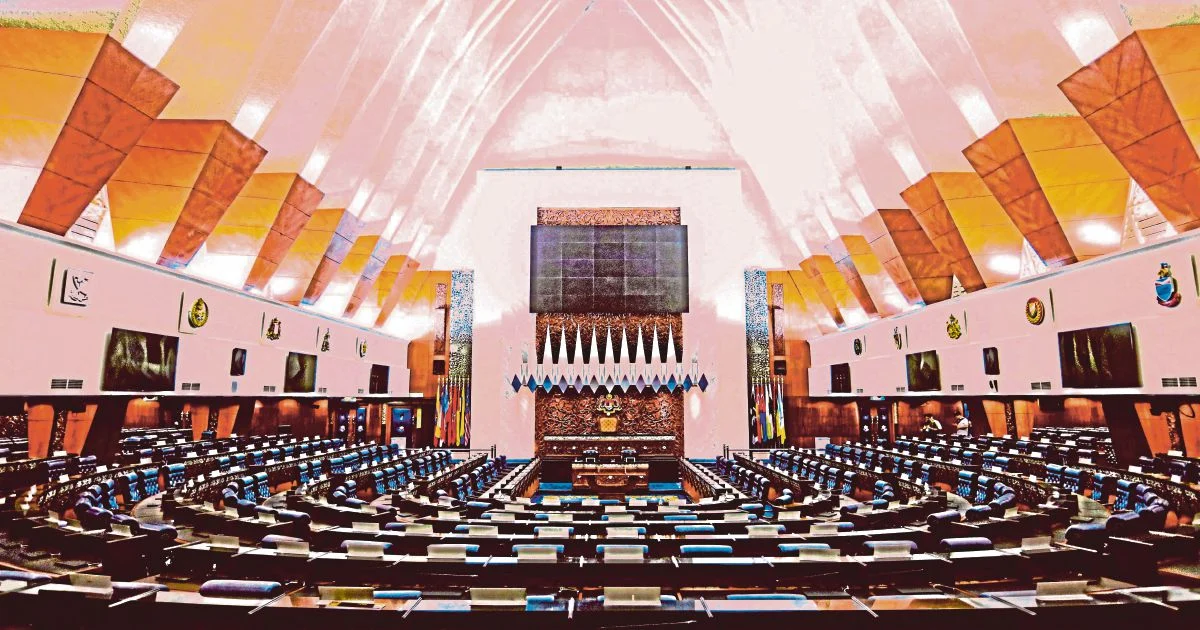
Lawmakers in the Dewan Rakyat are preparing to tackle two pressing geopolitical and economic matters that hold considerable bearing on Malaysia's position within Southeast Asia and its broader maritime interests. The Malaysia-Thailand Border Economic Zone initiative and the destabilising effects of the prolonged Strait of Hormuz crisis are set to dominate parliamentary discussion, reflecting concerns that cut across trade policy, regional stability, and energy security.
The Malaysia-Thailand Border Economic Zone represents an ambitious cross-border development scheme designed to unlock economic potential in the frontier regions separating the two nations. Such initiatives have become increasingly important as Southeast Asian countries seek to maximise the advantages of proximity and shared resources. The BEZ framework typically encompasses provisions for joint infrastructure projects, simplified customs procedures, and coordinated investment policies that benefit businesses operating within designated zones. For Malaysia, the initiative carries implications for northern communities in states like Perlis, Kedah, and Terengganu, where economic opportunities have historically lagged behind more developed regions. Implementation challenges and progress updates are likely to feature prominently in today's parliamentary session, with members scrutinising whether the framework is delivering tangible benefits or remains hampered by bureaucratic constraints and differing priorities between Kuala Lumpur and Bangkok.
The Strait of Hormuz, one of the world's most strategically vital waterways, has emerged as an acute focal point for regional and global concern. This narrow passage, through which roughly one-fifth of the world's maritime petroleum trade transits daily, has experienced heightened tensions stemming from regional geopolitical rivalries and military confrontations. The crisis has created an environment of uncertainty that reverberates through energy markets and supply chains globally, with Malaysia's economy bearing particular exposure given the nation's dependence on imported hydrocarbons and its position as a major trading hub. Shipping firms have diverted vessels away from the traditional route, incurring additional fuel costs and longer transit times that ultimately affect consumer prices across the region. Malaysian parliamentarians are likely to question the government's contingency planning and diplomatic efforts to insulate the nation from further shocks emanating from the Persian Gulf.
Energy security forms the substantive underpinning of parliamentary concern regarding the Hormuz situation. Malaysia, despite holding modest hydrocarbon reserves, relies on imported crude oil and liquified natural gas to sustain industrial output and power generation. Volatility in the Strait of Hormuz translates directly into fluctuating energy costs that cascade through the economy, affecting manufacturing competitiveness, transportation expenses, and ultimately household utilities. The protracted nature of the crisis has forced policymakers to reconsider energy diversification strategies, including renewable energy development and liquefied natural gas sourcing from alternative suppliers outside the Middle East. Discussions in parliament will probably touch on long-term energy infrastructure investments and whether Malaysia should accelerate the transition away from conventional fossil fuels.
The interconnection between these two seemingly distinct parliamentary agenda items reveals a deeper economic narrative for Malaysia. The Malaysia-Thailand Border Economic Zone cannot develop optimally in an environment of global economic uncertainty precipitated by supply chain disruptions and energy price volatility. Border regions depend on stable, predictable conditions to attract investors and foster cross-border commerce. Companies considering locating facilities within the BEZ necessarily weigh regional geopolitical stability as a critical factor. Should energy costs remain elevated due to persistent Hormuz tensions, the cost-benefit calculations for manufacturers eyeing northern Malaysian sites shift unfavourably, potentially undermining the BEZ's competitiveness as an investment destination compared to alternatives in less exposed regions.
Parliamentary discourse on the Malaysia-Thailand Border Economic Zone will also encompass infrastructure readiness and institutional coordination mechanisms. Successful economic zones require robust roads, port facilities, telecommunications networks, and customs infrastructure that facilitate seamless business operations. Members may press the government for timelines and budgetary allocations for these foundational projects. Similarly, questions regarding the governance structure overseeing the BEZ—whether Malaysian and Thai authorities have established effective dispute-resolution mechanisms and coordinated policy frameworks—are likely to surface. Without clarity on these operational dimensions, investor confidence remains tentative regardless of the initiative's conceptual merits.
The Strait of Hormuz discussion extends beyond energy security to encompass maritime freedom of navigation and Malaysia's principled stance on international law. As a Southeast Asian nation with significant maritime interests, Malaysia has consistently championed the principle that international waters must remain open to commercial shipping regardless of regional tensions. Parliamentary members may invoke this commitment while questioning how Malaysia can realistically safeguard its shipping interests and influence broader international efforts to de-escalate Persian Gulf tensions. Malaysia's diplomatic relationships with key regional players, including the United States and Iran, alongside its participation in multilateral forums, provide avenues through which the nation can contribute to stability-building efforts. Parliament may call for the government to enhance engagement through these channels.
The broader context for these parliamentary discussions encompasses Malaysia's economic recovery trajectory in the post-pandemic period and the imperative to attract foreign direct investment. Both the Malaysia-Thailand Border Economic Zone and insulation from Hormuz-related shocks are instrumental to achieving sustained growth targets. Investors monitoring Malaysian political and economic stability will pay close attention to how parliament addresses these issues, interpreting the quality of debate and government responsiveness as indicators of institutional competence and policy coherence. A parliament demonstrating sophisticated grasp of these interconnected challenges and proposing concrete remedial measures sends positive signals to international capital markets.
Looking forward, parliament's treatment of these agenda items today will likely set the tone for government priorities in subsequent quarters. The depth of scrutiny applied to Malaysia-Thailand Border Economic Zone implementation metrics and the proposals advanced to mitigate Hormuz-related exposure will signal the administration's seriousness in pursuing inclusive regional development whilst insulating Malaysia's economy from external shocks. For Malaysian observers and regional stakeholders alike, today's Dewan Rakyat session offers an important window into how national leadership conceptualises the relationship between cross-border economic cooperation and strategic maritime security.

