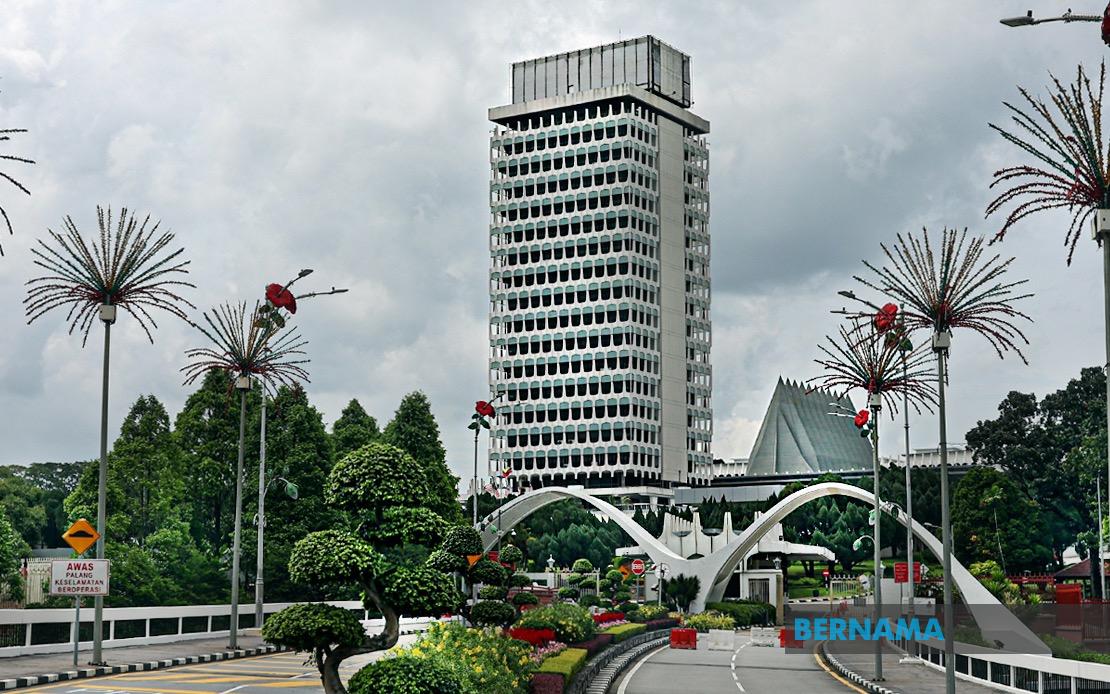
Lawmakers gathered in the Dewan Rakyat on June 25 are expected to scrutinise several policy initiatives critical to Malaysia's economic and geopolitical direction, ranging from energy transition to regional stability and constitutional commitments to East Malaysian states. The parliamentary agenda reflects mounting public concern about the practical implementation of key government schemes and their tangible benefits for industry and citizens alike.
At the heart of today's deliberations is the Corporate Renewable Energy Supply Scheme, a cornerstone of Malaysia's push toward sustainable energy. Rodziah Ismail from Ampang will probe the Ministry of Energy Transition and Water Transformation on how many companies have enlisted under the programme and what progress has been made since its launch. Her questions go deeper than mere participation numbers. She is specifically interested in the findings of a System Access Charge rate review, which carries significant implications for data centre operators eyeing Malaysia as a regional computing hub. The cost of access to the electricity grid can make or break investment decisions for energy-intensive operations, and clarity on these rates is essential for businesses planning infrastructure expansion.
The interconnection between energy policy and Malaysia's digital ambitions underscores a broader strategic challenge facing policymakers. Data centres require reliable, competitively priced electricity to remain viable, yet Malaysia must balance affordability with the sustainability imperatives embedded in the Corporate Green Power Programme and emerging battery storage technologies. The questions tabled today will reveal whether government agencies have fully grasped these linkages and whether rate-setting mechanisms support rather than hinder Malaysia's regional competitiveness in the technology sector.
Economic pressures stemming from the global energy crisis will also feature prominently. Mohd Syahir Che Sulaiman has asked the Minister of Economy to detail what steps the National Economic Action Council has taken to cushion the blow of rising joblessness and shrinking business activity. This line of inquiry reflects real hardship in communities hit by simultaneous external shocks: soaring energy costs, international supply chain disruptions, and broader macroeconomic uncertainty. The minister's response will signal whether the government has moved beyond crisis management rhetoric toward concrete interventions with measurable outcomes.
Fuel subsidy policy continues to generate legislative scrutiny, particularly regarding equity and adequacy. Datuk Seri Hasni Mohammad will challenge the Finance Minister on the government's rationale for standardising fuel subsidy targeting through MyKad verification for diesel purchases. The 200-litre monthly entitlement for both petrol and diesel raises practical questions: is this threshold sufficient for workers commuting long distances, for delivery drivers, or for farmers and smallholders in rural regions where fuel costs consume a larger share of household budgets? These questions hint at deeper concerns about whether means-tested subsidies adequately account for regional economic realities.
Malaysia's diplomatic posture toward Myanmar emerges as another substantive focus. William Leong Jee Keen will ask the Foreign Minister how Malaysia's foreign policy toward the Myanmar government reflects the Five-Point Consensus framework adopted by the Association of Southeast Asian Nations following the 2021 military coup. The Five-Point Consensus calls for dialogue, humanitarian assistance, and non-interference, yet implementing these principles amid Myanmar's deepening civil conflict and humanitarian catastrophe presents profound dilemmas for Malaysian diplomacy. The question suggests parliamentary concern that Malaysia's stated policy commitments may diverge from practical diplomatic engagement.
Data sovereignty and national security intersect in questions posed by Datuk Seri Amirudin Shari regarding alignment between state-level digital infrastructure initiatives and federal policy frameworks. His specific reference to Selangor's Dark Fiber Network and Malaysia's 2030 AI-readiness target reveals awareness that digital infrastructure decisions carry security implications. As states invest in data networks and the federal government promotes artificial intelligence adoption, constitutional safeguards ensuring data remains under Malaysian control and not vulnerable to external access or manipulation become paramount. The question whether AI ambitions adequately prioritise data sovereignty suggests potential gaps in whole-of-government strategic planning.
Education and religious affairs receive parliamentary attention through Datuk Idris Ahmad's inquiry into the effectiveness of Islamic Education curricula and coordination between federal and state Islamic authorities. This touches on curriculum quality, pedagogical outcomes, and federalism itself—whether Kuala Lumpur and state capitals have achieved sufficient alignment in educational standards. Given Malaysia's commitment to developing human capital and the foundational role of education in nation-building, scrutiny of Islamic Education programming reflects broader questions about educational quality assurance across all streams.
The Malaysia Agreement 1963 remains a constitutional flashpoint. Isnaraissah Munirah Majilis will press the Prime Minister for an update on implementation progress and timelines for increasing parliamentary representation for Sabah and Sarawak to 35 per cent of all federal seats. This question carries profound significance for Malaysian federalism. The MA63 enshrines specific constitutional protections and economic arrangements for these states. Delays in fulfilling commitments, particularly regarding parliamentary seat allocation, fuel perceptions among Sabah and Sarawak constituencies that the Peninsular-dominated federation has deprioritised their constitutional rights. Clear timelines and tangible progress milestones are essential for maintaining the federal compact.
Complementing these questions, the Public Accounts Committee is scheduled to brief Parliament on soaring health insurance premiums and private hospital charges, examining their downstream effects on public health delivery and accessibility. This report represents oversight of a critical social sector and carries implications for household financial security. As healthcare costs climb faster than incomes for many Malaysian families, parliamentary scrutiny of pricing mechanisms and the government's regulatory response becomes increasingly vital.
The legislative agenda then pivots to the Prisons Amendment Bill 2026, indicating ongoing refinement of the correctional system's legal framework. Today's parliamentary sitting, spanning 16 days until July 16, exemplifies how legislatures balance immediate policy implementation questions with longer-term legal and constitutional reform, reflecting Malaysia's ongoing efforts to balance development aspirations with institutional accountability and equitable governance.

