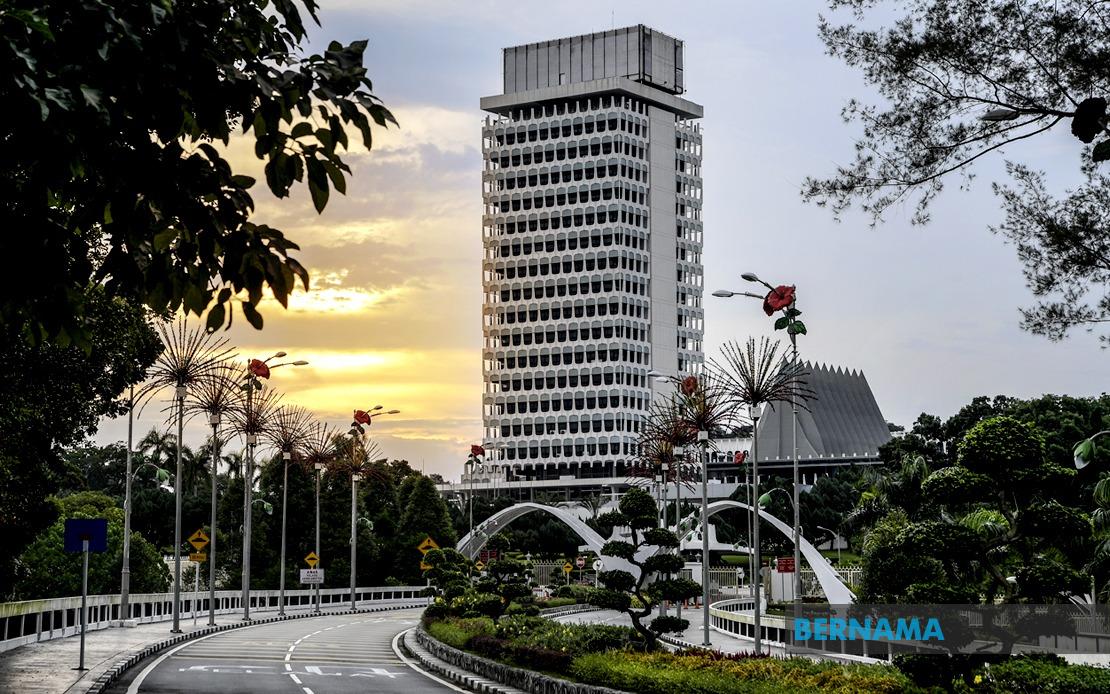
The Dewan Rakyat convened today to address several pressing matters affecting Malaysian households and national development, with healthcare protection and retirement security emerging as central themes in Question Time. The parliamentary agenda reflects growing public concern over the adequacy of insurance coverage and pension provisions, particularly as the nation grapples with demographic shifts and economic pressures that have intensified family finances across income levels.
Cheras representative Tan Kok Wai raised the critical issue of health insurance vulnerability, directing questions to the Finance Minister about governmental safeguards for policyholders facing coverage disputes. His inquiry centred on the prevalence of claim rejections and policy cancellations affecting patients with critical illnesses and cancer diagnoses, conditions that demand the most comprehensive financial protection when families face mounting medical expenses. Beyond immediate protection, Tan's question encompassed the broader framework of transparency and dispute resolution mechanisms, highlighting the need for clearer communication between insurers and policyholders and accessible channels for addressing grievances when claims are denied.
The retirement savings question posed by Port Dickson member Datuk Seri Aminuddin Harun underscored an urgent demographic reality facing Malaysia. With the nation projected to enter an ageing society by 2030, the adequacy of Employees Provident Fund balances has become a focal point for policymakers and household planners alike. Aminuddin's inquiry prompted the Finance Minister to articulate the government's strategic approach to ensuring Malaysians accumulate sufficient retirement capital, particularly as cost-of-living pressures squeeze household budgets and reduce the capacity for voluntary savings. This concern carries particular weight given that many Malaysian workers struggle to build adequate retirement reserves beyond their mandatory EPF contributions, leaving them vulnerable to financial hardship in their later years.
The parliamentary focus extended to youth development and talent cultivation, with Kangar representative Zakri Hassan directing attention to sporting excellence. His question to the Youth and Sports Minister concerned the ministry's capacity to identify and nurture volleyball talent across both indoor and beach variants, reflecting Malaysia's ongoing efforts to develop competitive sports programmes in disciplines where regional and international opportunities exist. Talent identification remains crucial for transforming promising athletes into representatives who can enhance Malaysia's standing in regional competitions and build pathways for young sports enthusiasts seeking professional opportunities.
Rural connectivity and digital equity emerged as another priority through Hassan Saad's questioning on the National Information Dissemination Centres programme. The Baling representative's inquiry examined whether NADI effectively addresses persistent gaps in rural internet access, digital capability, and marketing capacity among small business operators. These structural deficits limit entrepreneurial potential in regions where geographical isolation compounds economic disadvantages, preventing small entrepreneurs from accessing digital markets and online platforms that could expand their customer base and revenue streams.
Parliament also scrutinised the Mobile eCOSS application, a technology initiative introduced in May 2025 intended to prevent subsidised cooking oil diversion and leakage. The system's effectiveness in curbing illicit market practices will shape future confidence in digitally-enabled subsidy management and influence whether similar technological solutions can adequately protect government resources allocated for household affordability.
Additionally, lawmakers examined financing schemes supporting micro, small and medium enterprises, assessing whether existing programmes deliver sufficient capital access and favourable terms to enable MSME growth. These enterprises form the backbone of Malaysia's employment landscape and contribute substantially to economic output, making the adequacy of financing support a matter of broad economic significance.
The parliamentary calendar included a Health Select Committee briefing on organ donation and transplant system reform, an area requiring ongoing legislative attention as Malaysia seeks to improve transplantation rates and ensure equitable access to life-saving procedures. The committee's report will inform future policy adjustments and resource allocation within the healthcare system.
The chamber proceeded with committee-stage debate on the Competition (Amendment) Bill 2026, with the legislative process continuing toward final passage. Lawmakers simultaneously advanced the second reading of the Competition Commission (Amendment) Bill 2026, advancing what are expected to be consequential reforms to Malaysia's competitive framework. These competition-focused measures reflect the government's commitment to strengthening market safeguards, promoting fair trading practices, and enhancing the independence of the competition authority overseeing compliance.
The Second Meeting of the Fifth Session of the 15th Parliament began its sixteen-day sitting, scheduled to conclude on July 16. This extended parliamentary calendar provides adequate time for thorough legislative deliberation across multiple policy domains, from healthcare and retirement security to competition regulation and sporting development. The breadth of issues before lawmakers demonstrates the multifaceted challenges facing Malaysian governance, spanning social protection, economic competitiveness, and national development priorities that collectively shape citizens' quality of life and economic prospects.

