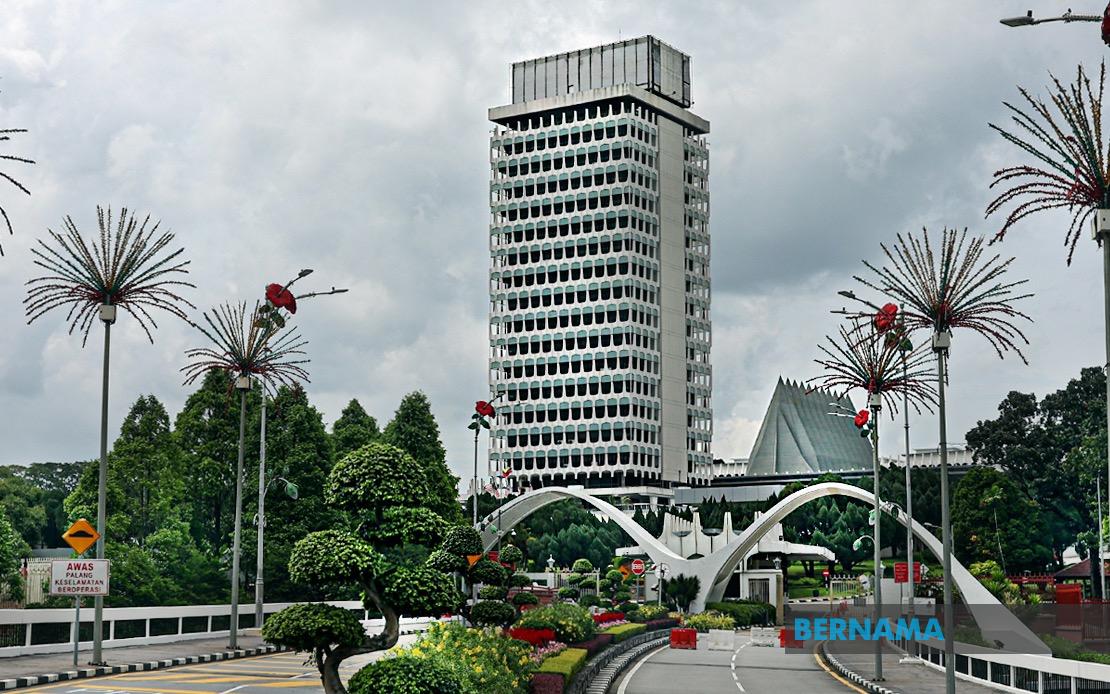
Lawmakers will convene in Kuala Lumpur today to scrutinise three significant policy areas: the government's strategy for expanding Johor's water supply infrastructure, measures to reinforce the Malaysia Competition Commission's role in the housing sector, and safeguards surrounding age verification systems on social media platforms. The parliamentary session, which commenced recently, will run for 16 days until July 16, with these items forming part of the day's Question Time agenda.
Water security in Johor continues to demand parliamentary attention as the state confronts mounting pressure to meet escalating consumption needs. Suhaizan Kaiat, the Pulai constituency representative from the Pakatan Harapan coalition, will press the Energy Transition and Water Transformation Minister to outline the government's comprehensive approach to bolstering the state's water resource capacity. This inquiry extends beyond mere supply augmentation to encompass a multi-pronged strategy involving new dam construction, expansion of water treatment facilities, and integration of recycled water into the supply chain. The question reflects growing anxieties about whether existing infrastructure can adequately serve Johor's expanding population and industrial base, issues that have periodically triggered discussions about water security across the broader Southeast Asian region.
Johor's water challenges carry implications beyond state boundaries. The state supplies treated water to neighbouring Selangor and the Federal Territories, making Johor's capacity constraints a matter of national infrastructure concern. Investment in dams and treatment plants represents substantial capital expenditure that requires careful planning and multi-year implementation. The emphasis on recycled water reflects global best practices in water management, though public acceptance and pricing mechanisms remain contentious issues in Malaysian urban policy discourse.
The second major parliamentary focus addresses competition enforcement in the housing market, a sector that has drawn considerable scrutiny from consumers and policymakers alike. Datuk Seri Ismail Abd. Muttalib, representing Maran under the Perikatan Nasional coalition, will ask the Domestic Trade and Cost of Living Minister to detail specific mechanisms through which MyCC strengthens its oversight of housing price offerings and promotional packages. Housing affordability has emerged as a critical socioeconomic challenge affecting millions of Malaysian families, with concerns that certain market participants may engage in anti-competitive conduct that artificially elevates prices or restricts consumer choice.
Ismail's questioning ventures into technical enforcement territory, requesting clarification on how MyCC investigates suspected anti-competitive practices including price-fixing arrangements and market manipulation. These inquiries suggest parliamentary interest in whether Malaysia's competition watchdog possesses adequate resources, investigative tools, and statutory authority to effectively monitor the housing sector. The question reflects broader regional trends in Asia-Pacific economies where competition authorities increasingly focus on residential property markets where opacity and information asymmetries can disadvantage buyers and renters. MyCC's capacity to investigate complex housing transactions and coordinate with state authorities, which oversee land tenure and property transfers, remains a persistent institutional challenge.
Housing market competition bears direct relevance to Malaysia's middle-income households and first-time buyers struggling with property price escalation. Enhanced MyCC scrutiny of anti-competitive conduct could potentially moderate prices and expand consumer options, though enforcement success depends on investigation quality and willingness to pursue cases against major developers or industry coalitions. The question signals parliamentary recognition that competition policy constitutes a legitimate tool for addressing housing affordability rather than merely relying on supply-side interventions or subsidy programmes.
The third parliamentary matter addresses digital regulation and data protection in the context of age verification systems for social media platforms. Syahredzan Johan, the Bangi representative from Pakatan Harapan, will interrogate the Communications Ministry regarding the rationale underpinning mandatory age verification requirements for social media users. This inquiry reflects international regulatory momentum toward protecting minors from harmful online content, with jurisdictions from Europe to Singapore implementing comparable requirements.
Syahredzan's questioning extends into data governance specifics, emphasising that licensed service providers should access only proportionate and limited personal data attributes necessary for age verification purposes. This focus suggests parliamentary concern about potential mission creep whereby age verification systems evolve into broader surveillance mechanisms or data harvesting operations. The question implicitly raises tension between child protection objectives and individual privacy rights, a balance that regulators must navigate carefully. Equally important is the requirement that verification service providers delete collected data once the age verification purpose concludes, preventing indefinite retention and secondary use of personal information.
Malaysia's regulatory approach to social media age verification sits within broader regional and global governance frameworks. The European Union's Digital Services Act mandates age verification for minors, while Singapore has similarly implemented protections. Malaysia's approach must balance protecting young users from exploitation and inappropriate content against legitimate concerns about mass surveillance, data breaches, and the creation of permanent digital records. Service provider licensing and data deletion requirements suggest the government is attempting to establish guardrails, though implementation effectiveness depends on robust oversight and credible enforcement mechanisms.
These three parliamentary questions collectively address core governance challenges confronting Malaysia: infrastructure adequacy for economic growth and service delivery, market competition and consumer protection, and digital regulation that safeguards vulnerable populations while respecting privacy rights. The 16-day session provides extended opportunity for substantive debate beyond these initial questions, potentially expanding into broader discussions about water governance across states, competition policy effectiveness, and the appropriate regulatory framework for technology platforms serving Malaysian audiences. Parliamentary scrutiny remains essential for ensuring that policy implementation matches stated intentions and that ministerial accountability remains transparent to elected representatives and ultimately to Malaysian voters.