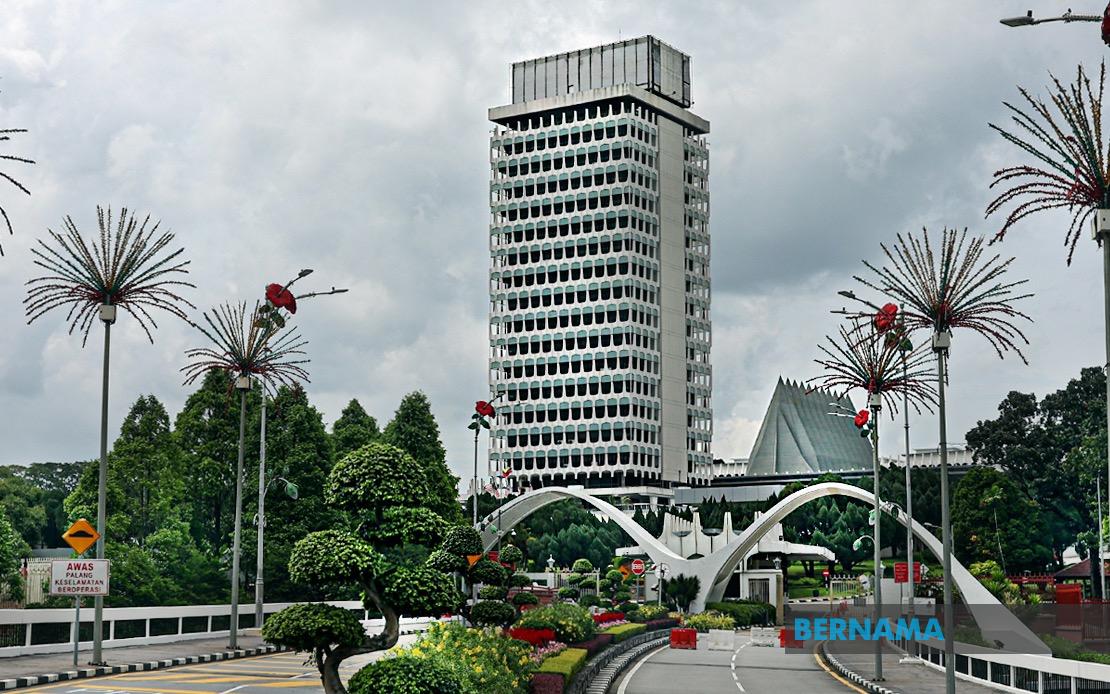
Parliament reconvenes this week for a comprehensive legislative agenda that places two critical governance issues under scrutiny: the financial autonomy of the national human rights body and the economic disconnect affecting Malaysian households. The 16-day sitting of the Dewan Rakyat, extending until July 16, signals government readiness to tackle structural challenges in both institutional frameworks and economic management that have drawn mounting public attention.
The proposed amendments to the Human Rights Commission of Malaysia Act 1999 represent a significant shift in how SUHAKAM operates administratively. Teresa Kok Suh Sim, the Seputeh MP from the Pakatan Harapan coalition, will pose a direct question to the Prime Minister regarding whether the government intends to grant SUHAKAM the authority to generate independent revenue streams through training initiatives and educational programmes. This inquiry reflects broader concerns about whether Malaysia's human rights body maintains sufficient operational independence when dependent entirely on annual government budget allocations. The ability to diversify income sources would theoretically insulate SUHAKAM from budgetary pressures and allow it to pursue investigations and advocacy work without financial constraints imposed by the executive branch.
The practical implications of such amendments extend beyond administrative convenience. A self-funding mechanism would enable SUHAKAM to expand its capacity to address complaints, conduct research into human rights violations, and provide training on international humanitarian standards without requesting additional parliamentary appropriations. This structural change would align Malaysia more closely with international best practices observed in other Commonwealth nations, where independent commissions maintain fiscal autonomy to ensure operational credibility. For Malaysian civil society organisations and individuals seeking redress through SUHAKAM, improved financial stability could translate into faster case processing and more comprehensive investigations.
Parallel to this institutional focus, parliament will grapple with an economic question that resonates deeply with Malaysian families struggling with groceries, transport, and housing costs. Mohd Syahir Che Sulaiman, the Bachok representative from Perikatan Nasional, will interrogate the Economy Minister on how the government reconciles official inflation statistics with the lived experience of Malaysians encountering substantially steeper price increases in essential goods and services. The gap between headline inflation figures and the actual cost-of-living pressures perceived by households has emerged as a credibility challenge for policymakers across Southeast Asia.
This economic inquiry touches on a methodological and perceptual divide that affects policy legitimacy. When government reports indicate inflation within manageable single-digit ranges, yet families observe double-digit percentage increases in food, fuel, and utilities, public confidence in official economic indicators deteriorates. The question will probe which specific metrics the government employs to ensure that economic growth and positive macroeconomic indicators genuinely translate into improved household purchasing power rather than benefiting only upper-income segments. This distinction matters profoundly for assessing whether development gains reach ordinary Malaysians or concentrate among those already advantaged.
The parliamentary inquiry will also examine the relationship between headline growth figures and real-world economic conditions affecting workers and retirees living on fixed incomes. If prosperity measures fail to capture actual affordability challenges, they become disconnected from policy relevance. The Economy Minister's response will shape whether the government acknowledges the validity of public concerns or maintains that official statistics adequately represent economic conditions.
Additional parliamentary business reflects ongoing governance priorities. Klang's representative, V. Ganabatirau, will raise questions about land use conversion affecting flood retention ponds in Kuala Lumpur, a concern linking environmental management to urban development transparency. Meanwhile, the Higher Education Minister will address the balance between STEM and non-STEM student enrolment, a critical question for Malaysia's aspirations toward technological competitiveness and industrial transformation.
The session's legislative agenda includes second reading of the Cybercrime Bill 2026, legislation that parliamentary observers have scrutinised for implications regarding digital rights, online expression, and law enforcement powers. This bill's progression through parliament during discussions about human rights commission independence and economic equity underscores government attention to modernising legal frameworks across multiple governance domains.
These parliamentary proceedings occur amid broader regional context where Southeast Asian governments face similar pressures: ensuring that human rights institutions function credibly, reconciling economic statistics with public experience, and updating legal systems to address digital-age challenges. Malaysia's handling of these issues may influence how neighbouring countries approach comparable governance questions. The outcomes of this parliamentary session will signal whether Malaysia moves toward greater institutional independence for human rights oversight, more nuanced economic policymaking responsive to household realities, and clearer digital governance standards—all questions that extend beyond parliamentary debate into the lived experience of ordinary citizens.

