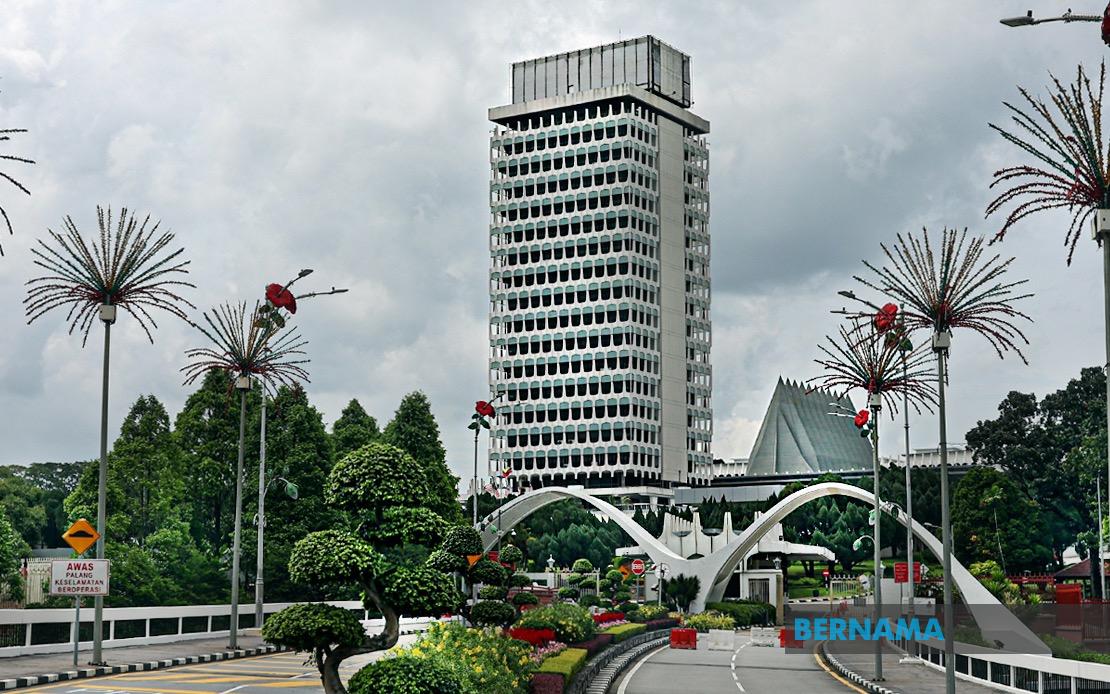
Lawmakers gathered for today's sitting of the Dewan Rakyat will scrutinise several pressing issues affecting Malaysia's economic and security landscape, with particular emphasis on how regional geopolitical tensions are reshaping the nation's tourism prospects and exposing vulnerabilities along its maritime borders.
The parliamentary session is expected to hear pointed questions about tourism recovery following the escalation of conflict in West Asia. Dr Ahmad Fakhruddin Fakhrurazi, representing the Perikatan Nasional coalition from Kuala Kedah, will press the Tourism, Arts and Culture Minister for a comprehensive assessment of how ongoing tensions have influenced visitor numbers from key markets including the Middle East, Europe, and West Asia itself. This line of questioning reflects growing concern within government circles that international instability could undermine Malaysia's ambitious tourism expansion plans at a critical moment when the sector is working to rebuild momentum following previous disruptions.
The implications for Malaysia's tourism ecosystem are substantial. European and Middle Eastern visitors represent significant revenue streams for the hospitality and travel industries, and any sustained downturn in bookings from these regions could ripple through accommodations, attractions, and related services nationwide. The government's response will likely centre on diversification strategies and targeted marketing campaigns designed to reassure potential visitors while simultaneously developing alternative source markets in more stable regions.
Simultaneously, the House will address acute security challenges along Langkawi's porous maritime border. Datuk Mohd Suhaimi Abdullah from Langkawi, also representing Perikatan Nasional, will interrogate the Home Minister regarding the adequacy of security personnel and equipment stationed across the island district. His questions will focus specifically on the capacity of current assets to intercept migrant smuggling operations and prevent the unlawful movement of controlled goods across territorial waters—a persistent problem given Langkawi's proximity to the Thailand border and its accessibility by sea routes commonly exploited by trafficking networks.
The Langkawi security inquiry carries particular resonance for Malaysian policymakers. The island's geographical position makes it simultaneously attractive to tourists and vulnerable to transnational crime. Recent years have witnessed recurring incidents of irregular migration and contraband movements through the area, straining local enforcement capabilities. The parliamentary question will likely elicit discussion about resource allocation and technological solutions, particularly regarding the potential deployment of unmanned aerial vehicles (UAVs) or drone systems to enhance surveillance capacity along the border and surrounding waters—an approach that has shown promise elsewhere but requires sustained investment and coordination.
Parallel to security concerns, lawmakers will address Malaysia's ongoing struggle with human-elephant conflict in forested regions. Manndzri Nasib, representing Tenggara under the Barisan Nasional coalition, will examine the effectiveness of Ecological Fiscal Transfer funds and wildlife agency programmes in mitigating dangerous encounters between elephants and rural communities. The parliamentary discussion will extend to the potential expanded deployment of electric fencing systems specifically designed for elephant deterrence, a technological intervention that offers promise for protecting both local residents and vulnerable wildlife populations in increasingly fragmented habitats.
This line of questioning underscores the tension between conservation and livelihood protection in Malaysia's forest-adjacent communities. As human settlements expand and elephant populations face shrinking habitats, conflict incidents have escalated, creating pressure on state governments and federal agencies to implement more effective protective measures. The availability and distribution of Ecological Fiscal Transfer funds—designed to compensate states that prioritise forest conservation—has become central to whether wildlife management strategies can be adequately resourced across different regions with varying economic capacities.
The parliamentary agenda also encompasses housing policy scrutiny. Datuk Willie anak Mongin from Puncak Borneo, representing the GPS coalition, will request detailed breakdowns of unsold affordable housing units across Malaysia by state and price bracket, alongside data on actual home ownership rates among citizens under 35 years old. This questioning reflects persistent concerns about youth accessibility to property markets and the effectiveness of government housing initiatives in meeting demographic needs across diverse parliamentary constituencies.
Housing affordability has emerged as a defining policy challenge, particularly for younger Malaysians navigating competitive urban property markets while navigating employment uncertainty and rising living costs. The parliamentary inquiry will likely reveal regional disparities in both housing availability and ownership achievement, potentially exposing gaps between government targets and market realities that could inform future policy adjustments.
Beyond individual parliamentary questions, the sitting will advance two legislative measures to their second reading stage. The Sexual Offences against Children (Amendment) Bill 2026 represents a continued commitment to strengthening child protection frameworks, while the Employment Insurance System (Amendment) Bill 2025 addresses worker security within Malaysia's evolving labour market. Both measures carry implications for vulnerable populations and require parliamentary scrutiny to ensure their provisions adequately serve intended beneficiaries.
The current parliamentary session, which commenced recently, will extend through July 16, providing lawmakers with a 16-day sitting to address accumulated legislative and oversight business. This extended sitting period reflects the government's agenda to advance multiple policy initiatives while maintaining space for backbench inquiries and questions. The combination of tourism concerns, border security gaps, wildlife management pressures, housing challenges, and protective legislation creates a comprehensive parliamentary agenda reflective of Malaysia's multifaceted policy environment navigating both regional geopolitical shifts and domestic socioeconomic pressures.

