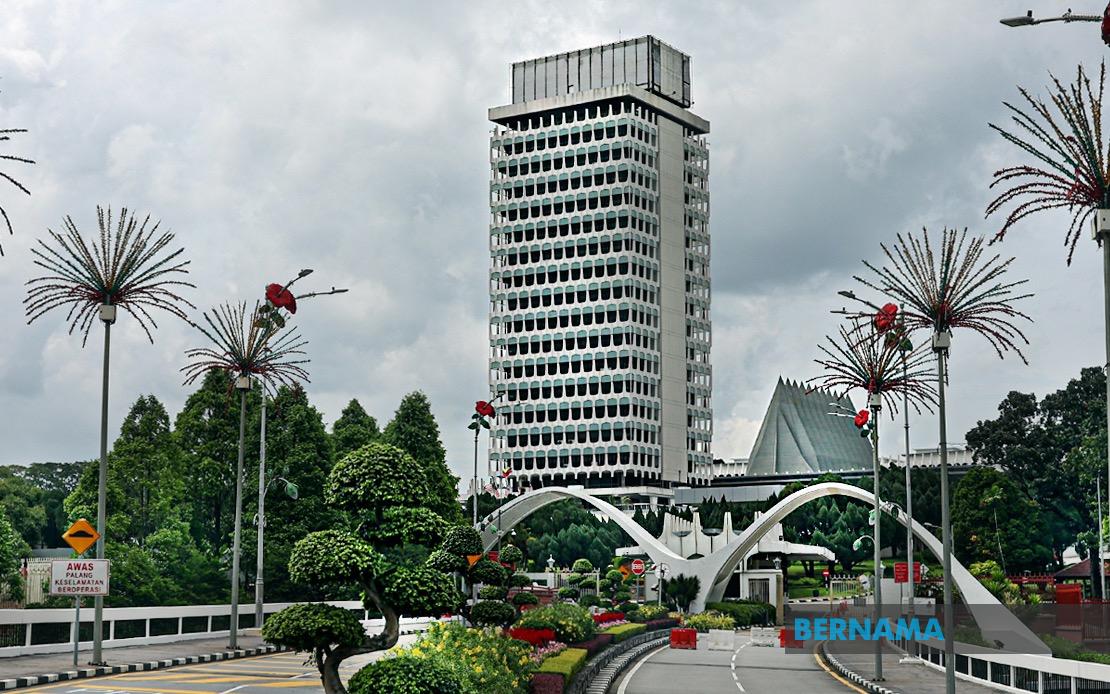
Parliament reconvenes today to scrutinise three major policy areas affecting Malaysian society, with backbenchers and government members raising questions spanning digital regulation, educational security and economic relief in an increasingly volatile global environment. The sitting will see members interrogate the rollout of subsidiary instruments underpinning the Online Safety Act 2025, probe the adequacy of pupil protection in schools across the nation, and press ministers on assistance packages for traders and small enterprises reeling from West Asia-related logistics pressures.
The Online Safety Act 2025 represents a watershed moment in Malaysia's digital governance framework, establishing legislative scaffolding for internet regulation. However, the Act's true operational impact will depend on the subsidiary instruments—ten regulations and guidelines currently in development. Rodziah Ismail from Ampang, representing the opposition Pakatan Harapan coalition, will demand specifics on these instruments, including their regulatory objectives, key provisions and implementation timeline. This line of questioning reflects growing parliamentary concern that broad legislation without clearly defined supporting rules risks either becoming toothless or creating regulatory overreach. For Malaysian technology companies, digital entrepreneurs and ordinary users, the clarity of these subsidiary instruments will determine whether the Act functions as genuine safety guardrails or becomes another bureaucratic hurdle.
School safety has emerged as an urgent concern amid persistent reports of bullying, accidents and threats affecting pupils nationwide. Roslan Hashim of Kulim Bandar Baharu, representing the opposition Perikatan Nasional coalition, will press the Education Minister to detail what mechanisms exist to protect young people and what measurable improvements have occurred since previous parliamentary scrutiny. The question carries weight across Malaysia's diverse communities, where parental anxiety about school environments transcends urban-rural divides. Whether the government can demonstrate concrete improvements—reduced bullying incidents, accident prevention protocols, enhanced security infrastructure—will signal how seriously authorities take this foundational responsibility.
The West Asia crisis has rippled through Malaysian supply chains with tangible consequences. Rising shipping costs, port congestion and route diversion have hammered micro-entrepreneurs, hawkers and small business operators whose thin profit margins cannot absorb sustained logistical inflation. Datuk Andi Muhammad Suryady Bandy representing Kalabakan will push the Finance Minister for immediate intervention mechanisms. This question underscores a critical vulnerability for Malaysia's informal economy—the roughly two million micro-entrepreneurs and small traders who lack the scale and capital reserves of larger enterprises to weather extended external shocks. Any government response announced today will signal the administration's prioritisation of this economically vital but politically fragmented constituency.
Transport infrastructure development also features prominently. Datuk Seri Dr Wee Ka Siong will seek an update on the Johor Elevated Autonomous Rapid Transit (E-ART) project, reflecting ongoing interest in whether this ambitious autonomous transit initiative remains on schedule. The project represents Malaysia's ambitions in transportation technology but faces scrutiny over timelines and budget allocation at a moment when fiscal resources compete across multiple priorities.
Road safety concerns will surface through questioning on implementation of works ministry policies. Road fatalities and injury patterns in Malaysia continue to exceed regional standards, and parliamentary scrutiny of preventive measures—enforcement strategies, infrastructure upgrades, public awareness campaigns—remains essential for driving behavioural and systemic change.
Health sector resilience in Sabah will be examined through Datuk Shahelmey Yahya's question to the Health Minister. As the government implements fiscal adjustment policies, concerns have arisen that cost-cutting measures may compromise public healthcare delivery and infrastructure development in East Malaysia. This concern reflects broader anxieties that efficiency drives sometimes underestimate the particular challenges of delivering healthcare across geographically dispersed populations with limited existing infrastructure capacity.
Cybersecurity risks attached to proposed minimum age requirements for social media use will be raised by Riduan Rubin, the independent member for Tenom. A potential 16-year minimum age restriction could create enforcement and identity verification challenges. The question probes whether the government has assessed the cybersecurity vulnerabilities that identity verification systems might introduce and whether age-gating mechanisms themselves become targets for hackers or create databases that require robust protection.
Parliament will also advance the Competition (Amendment) Bill 2026 to second reading, signalling government intention to refine the competitive framework governing Malaysian markets. This legislative move suggests the administration believes existing competition law requires adjustment, though the specific amendments remain subject to detailed parliamentary debate.
The parliamentary sitting continues through 16 days until 16 July, providing extended opportunity for substantive examination of government policies. The convergence of these diverse issues—digital safety, school security, economic vulnerability, transport development, health equity and competitive frameworks—reflects the interconnected challenges confronting Malaysia's policymakers. Parliament's ability to extract meaningful commitments from ministers, clarify implementation timelines and establish accountability benchmarks will determine whether parliamentary oversight translates into improved governance outcomes for ordinary Malaysians navigating these complex policy domains.

