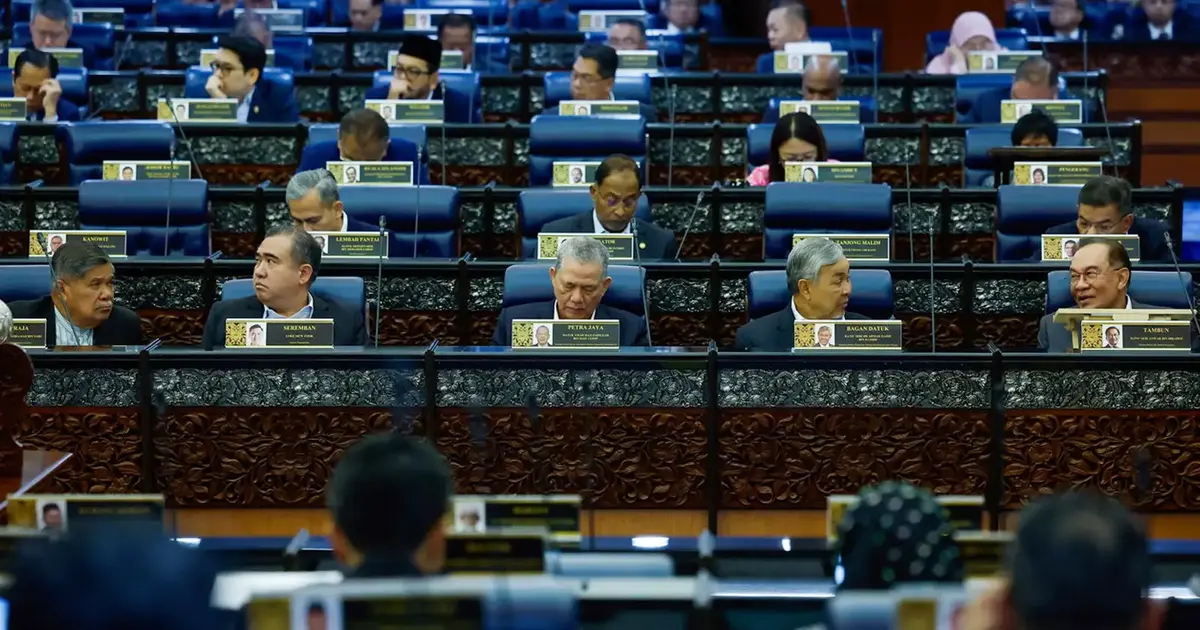
A senior figure within PKR has moved to calm political anxieties by asserting that any exit by the Democratic Action Party from government ministerial positions would not necessitate the dissolution of Parliament, even as speculation swirls about coalition stability. Saifuddin Shafi Muhammad, the deputy secretary-general of the People's Justice Party, contended that DAP Members of Parliament would retain their places within the government bloc regardless of whether the party's representatives step away from cabinet-level responsibilities. His remarks come amid ongoing discussions about the internal dynamics of Malaysia's ruling coalition and the potential for structural realignments that could affect parliamentary balance and legislative agendas.
The distinction Saifuddin made between parliamentary membership and ministerial participation reflects a sophisticated understanding of Malaysia's constitutional framework and contemporary coalition politics. Under the Malaysian system, lawmakers can technically remain aligned with a ruling coalition while their parties withdraw from the executive branch, a scenario that differs markedly from the complete political ruptures that typically accompany government collapses in many democracies. This flexibility has become increasingly relevant as coalition partners navigate their interests and public positioning in an era of complex multi-party governance arrangements.
DAP's potential recalibration of its role within government has emerged as a topic of considerable focus within Malaysian political circles. The party has held significant ministerial portfolios since joining the ruling alliance, and any strategic repositioning would represent a notable shift in the distribution of executive power and influence. Understanding whether such a move would reflect genuine policy disagreements, electoral calculations, or negotiations over future cabinet composition requires careful attention to the party's internal dynamics and its relationship with coalition partners.
The PKR leader's reassurance appears designed to address concerns among political observers and coalition partners who worry that any fracturing of the government could trigger a cascading sequence of defections, leading to the loss of parliamentary majority and forcing fresh elections. By emphasizing that DAP could withdraw from ministerial roles while maintaining parliamentary support, Saifuddin suggested an alternative pathway that preserves governmental continuity without requiring the expense, disruption, and uncertainty of dissolving Parliament and returning to voters. This positioning potentially appeals to various stakeholders who have institutional interests in maintaining stability.
For Malaysian voters and observers, the implications of such an arrangement deserve careful scrutiny. A coalition government where some parties hold ministerial positions while others occupy parliamentary benches without executive responsibility creates unusual governance dynamics. Policy direction and implementation would flow primarily through the hands of remaining cabinet partners, while non-ministerial coalition members retain negotiating leverage through their continued provision of parliamentary votes and public support. This structure could either enhance checks and balances or create accountability gaps, depending on how coalition partners exercise their respective roles.
Regional considerations also merit attention in analyzing this development. Southeast Asian coalition governments frequently demonstrate adaptability in restructuring their arrangements, and Malaysia's political evolution contributes to broader regional patterns of multi-party democracy. How successfully Malaysian leaders manage the coexistence of withdrawn ministerial partners alongside active coalition members could influence international perceptions of the country's political maturity and governmental stability during periods of transition. Investors, diplomatic partners, and regional observers often gauge a nation's institutional resilience through such transitions.
The statement from Saifuddin also reflects calculations about media narratives and public perception. By proactively framing any DAP repositioning as a manageable adjustment rather than a destabilizing crisis, PKR leadership appears intent on controlling the discourse around coalition dynamics. This preemptive messaging strategy suggests that conversations about DAP's future role within government structures may already be underway behind closed doors, and party leaders are preparing the political ground for decisions that may be announced subsequently.
Historically, Malaysian coalition governments have incorporated parties with varying levels of ministerial representation, though recent administrations have tended toward more integrated arrangements. The possibility of reverting to models where some coalition partners occupy predominantly parliamentary roles rather than executive positions represents a return to earlier patterns of coalition management. This cyclical nature of Malaysian political structures reflects the enduring challenge of balancing the representation aspirations of multiple parties against the functional requirements of a coherent, decisive government.
For parliament itself, such an arrangement would have operational consequences beyond mere numbers. The quality and nature of parliamentary oversight, debate, and legislative scrutiny depend substantially on how different coalition partners choose to exercise their roles. A party maintaining parliamentary presence while withdrawing from ministerial responsibility might escalate its questioning of government policies, shift toward more critical positions on particular bills, or attempt to leverage its continued support into enhanced influence over specific policy domains. Coalition partners would need to establish clear understandings about the terms, duration, and potential reversibility of such arrangements.
The broader context involves questions about where Malaysian coalition politics is heading in the medium term. Whether this represents a temporary recalibration or signals a more fundamental restructuring of the ruling alliance requires sustained observation of how DAP, PKR, and other partners conduct themselves in coming months. Saifuddin's statement, while reassuring in its clarity about parliamentary procedure, does not address underlying tensions or clarify the timeline within which any such arrangements might occur, leaving significant uncertainties about coalition trajectory and stability throughout the current parliamentary term.

