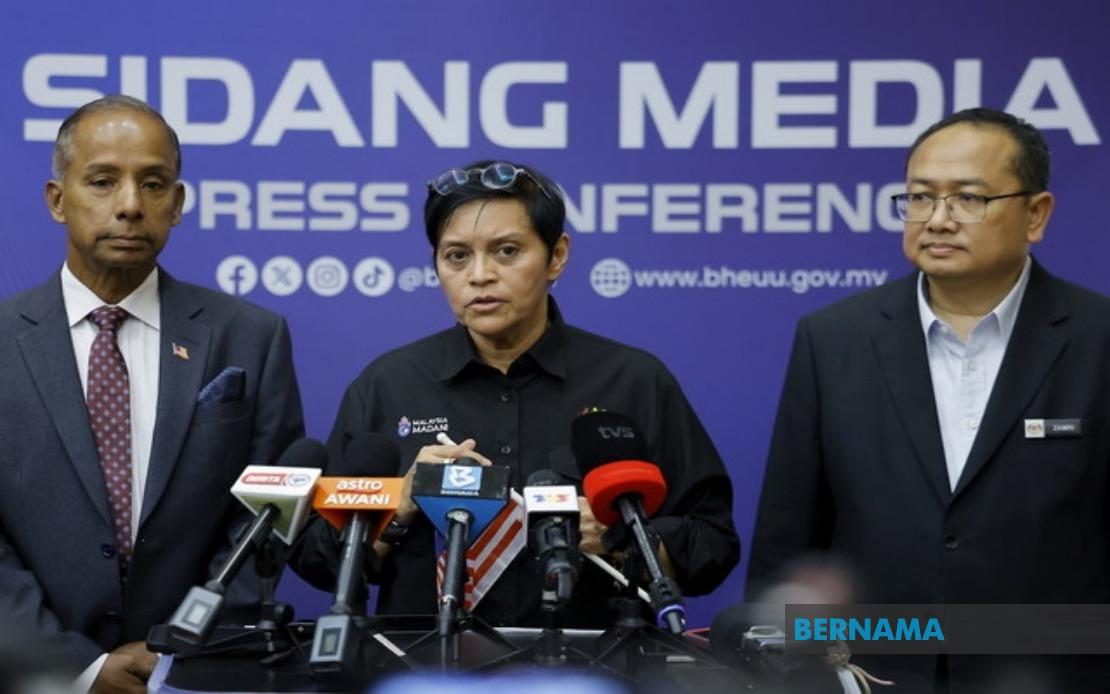
A Parliamentary Select Committee will begin its formal examination of the Freedom of Information Bill 2026 on Friday, marking a significant milestone in Malaysia's push toward greater governmental transparency. Datuk Seri Azalina Othman Said, Minister in the Prime Minister's Department (Law and Institutional Reform), will chair the committee, which brings together legislators from across the political spectrum to scrutinise the proposed legislation before parliamentary consideration.
The inaugural meeting will centre on establishing the committee's terms of reference—a foundational step that will shape how thoroughly the panel examines the Bill's provisions and implications. According to Azalina, the committee is expected to finalise its recommendations and present its findings ahead of the next parliamentary session, indicating an expedited timeline for one of the government's marquee transparency initiatives. The decision to route the Bill through a select committee rather than proceed directly to parliamentary debate reflects the administration's willingness to allow extended consultation, a departure from traditional legislative procedures that underscores the Bill's perceived significance.
The Freedom of Information Bill 2026 represents an attempt to create a standardised legal mechanism governing how Malaysian citizens can request access to information held by public authorities. In its current form, the legislation permits any Malaysian citizen aged 18 or older to submit written applications seeking official information, establishing a formal right that has long been absent from Malaysia's legal framework. The Bill essentially codifies procedures that would grant ordinary citizens a structured pathway to government records, potentially reshaping the relationship between the state and the public regarding information access.
However, the proposed legislation has already attracted criticism from civil society organisations and professional bodies who contend that its scope remains insufficiently broad. These stakeholders argue that the Bill's protective carve-outs and exemptions substantially limit its practical utility, undermining the transparency goals it ostensibly pursues. Azalina acknowledged these concerns during her remarks, indicating that the select committee will specifically evaluate whether the Bill's breadth adequately serves the public interest. This openness to recalibrating the legislation's reach suggests that the final version tabled in Parliament may differ materially from the currently published draft.
Central to these substantive debates is the Bill's treatment of sensitive information. The draft legislation preserves existing secrecy law frameworks, explicitly exempting materials classified under the Official Secrets Act 1972 and information protected by other existing legislation. This preservation clause essentially creates a hierarchy where national security considerations and other statutory confidentiality regimes override the presumed right to information access enshrined elsewhere in the Bill. For transparency advocates, this arrangement effectively allows the government to maintain broad discretion in withholding sensitive documents, potentially rendering the legislation more symbolic than transformative.
The inclusion of bipartisan participation within the select committee structure carries particular weight in Malaysia's contemporary political context. A legislature marked by complex coalition dynamics and shifting allegiances can produce select committees that reflect genuine cross-party consensus or merely provide legitimacy to government-preferred outcomes. In this instance, the involvement of opposition and independent lawmakers may facilitate more rigorous scrutiny, though their ultimate influence on the Bill's trajectory will depend on whether their recommendations receive serious consideration during subsequent parliamentary proceedings.
For Malaysian civil society, the select committee's deliberations represent both opportunity and test case. Previous instances where legislation was subjected to parliamentary committees have yielded mixed results—some enquiries produced substantive amendments reflecting stakeholder input, while others functioned largely as procedural formalities. The outcome of this particular exercise will signal whether the government's commitment to transparency extends to genuinely incorporating public and expert opinion, or whether consultation remains a ritualistic prelude to predetermined legislative outcomes.
The timing of the Bill's advancement merits consideration within Malaysia's broader governance trajectory. The Madani administration has positioned itself as committed to institutional reform and anti-corruption efforts, with freedom of information legislation serving as a visible commitment to these principles. Advancing this Bill, even with stakeholder criticism, demonstrates tangible progress on a governance priority. However, the specific parameters ultimately adopted will determine whether the legislation represents meaningful reform or incremental adjustment to existing opacity.
From a regional perspective, Malaysia's freedom of information framework shapes investor confidence and international perceptions of institutional quality. Several other Southeast Asian nations operate formal information access regimes, providing comparative models and benchmarks against which Malaysian arrangements are assessed. A robust Freedom of Information Bill could position Malaysia competitively, while a limited statute might reinforce perceptions of institutional reticence regarding transparency.
The select committee's substantive focus will likely centre on defining which categories of information warrant exemption and establishing the procedures through which citizens' access requests are adjudicated and appealed. These technical details possess profound practical implications—expansive exemptions combined with opaque review procedures could leave the legislation largely ornamental, while narrower exemptions and transparent processes could generate genuine systemic change. The committee's members must navigate genuine tensions between legitimate governmental needs for confidentiality and public rights to information about governmental conduct.
As the committee prepares to convene, the stakes extend beyond legislative mechanics. Malaysia's freedom of information regime will influence how researchers, journalists, and civil society organisations can scrutinise governmental conduct and accountability. The Bill therefore represents not merely a procedural innovation but a reflection of fundamental assumptions about governance, transparency, and the relationship between state and citizen. The select committee's review will determine whether the resulting legislation fulfils that transformative potential or remains constrained by security considerations and existing legislative frameworks.

