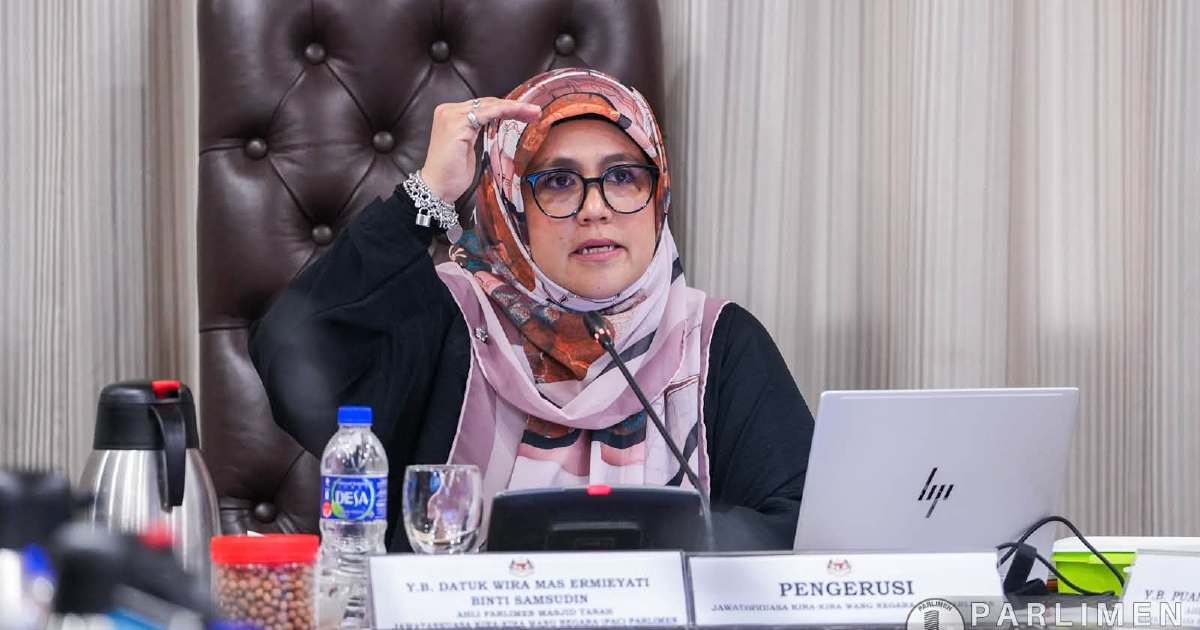
Parliament's Public Accounts Committee has moved decisively to launch a comprehensive investigation into structural governance shortcomings and investment management at Lembaga Tabung Haji, the pillar institution managing hajj savings for millions of Malaysian Muslims. The committee's unanimous decision marks an escalation in parliamentary scrutiny of the fund, which has faced mounting criticism over its stewardship of deposits entrusted by Malaysians preparing for the Islamic pilgrimage.
The PAC's investigation will examine three interconnected areas of concern: the governance frameworks guiding TH's decision-making structures, the financial practices underpinning its operations, and the investment strategies that have guided deployment of the organisation's substantial asset base. This multi-pronged approach signals that lawmakers view the issues as systemic rather than isolated, touching the core of how TH functions as a custodian of public trust and religious savings.
Tabung Haji occupies a unique position in Malaysia's institutional landscape. As the principal vehicle through which Muslims nationwide accumulate funds specifically designated for the hajj pilgrimage, TH holds deposits from several million Malaysians, many of whom belong to middle and lower-income households for whom the organisation represents a structured savings mechanism toward fulfilling a religious obligation. The fund's management therefore carries both financial and spiritual weight, making governance lapses particularly consequential for beneficiaries who depend on its prudent stewardship.
The unanimous nature of the PAC's decision underscores cross-party parliamentary concern about TH's operational trajectory. In Malaysia's polarised political environment, such unanimity on investigative proceedings is relatively uncommon, suggesting that the governance and investment issues have transcended partisan lines to command genuine consensus that parliamentary oversight is warranted. This reflects broader public concern about the institution's trajectory and the adequacy of existing accountability mechanisms.
Investment weaknesses have particularly troubled observers and policymakers. TH has historically deployed pilgrims' savings across diverse asset classes, from real estate and equities to international financial instruments, seeking returns that would enable the fund to offer pilgrims value-added services and maintain purchasing power against inflation. However, periods of market volatility and strategic missteps have at times resulted in investment losses, raising questions about the risk management protocols governing such deployment and whether investment strategies adequately reflect the conservative orientation expected of an institution holding sacred deposits.
Governance concerns centre on institutional architecture and decision-making authority. Questions have been raised about board composition, executive oversight mechanisms, conflicts of interest, and the clarity of internal controls meant to prevent unauthorised or imprudent decisions. For an organisation managing billions in pilgrim savings, robust governance is foundational to maintaining the integrity of financial records, ensuring transparent decision-making, and protecting beneficiaries' interests against misallocation of funds.
Financial weaknesses identified in the investigation's remit likely encompass accounting practices, audit compliance, and the clarity and timeliness of financial reporting to stakeholders and regulators. Transparency in how TH generates revenue, manages expenses, and accounts for pilgrim deposits is essential for maintaining confidence in the institution. Any irregularities in financial reporting or opacity in cost structures can undermine beneficiary trust, particularly given the sacred context in which the savings are made.
The PAC investigation arrives as TH navigates a complex external environment. Hajj pilgrimage numbers and schedules have fluctuated significantly in recent years, including pandemic-related disruptions that required substantial operational adjustments. Additionally, global investment markets have experienced considerable volatility, creating headwinds for fund returns. Whether current governance and financial frameworks are adequately equipped to navigate such challenges will likely form part of the committee's examination.
For Malaysian pilgrims, the investigation carries practical implications. The committee's findings and recommendations may influence how TH manages deposits, the transparency of fee structures, the security of savings, and the services offered to prospective pilgrims. Enhanced governance and corrected investment practices could ultimately strengthen the institution's ability to serve beneficiaries effectively and responsibly.
The investigation also has wider significance for Malaysia's institutional accountability ecosystem. Parliamentary committees like the PAC serve as crucial checks on executive agencies, particularly those managing public or semi-public resources. A thorough examination of TH can reinforce expectations that even established institutions serving religious or social functions must operate to rigorous standards of governance and financial probity.
As the PAC commences its proceedings, it will likely seek comprehensive documentation from TH, conduct interviews with senior management and board members, and may call expert witnesses to illuminate complex investment and governance matters. The committee's findings, once released, could catalyse reforms within TH's operational structures and may inform broader policy discussions about how Malaysia's statutory bodies manage sacred or communal savings.
The investigation represents a critical moment for TH's institutional credibility. How the organisation responds to parliamentary scrutiny, the extent to which it cooperates transparently with the PAC, and the willingness of its leadership to acknowledge and remediate identified weaknesses will substantially influence public confidence in the institution's future trajectory.

