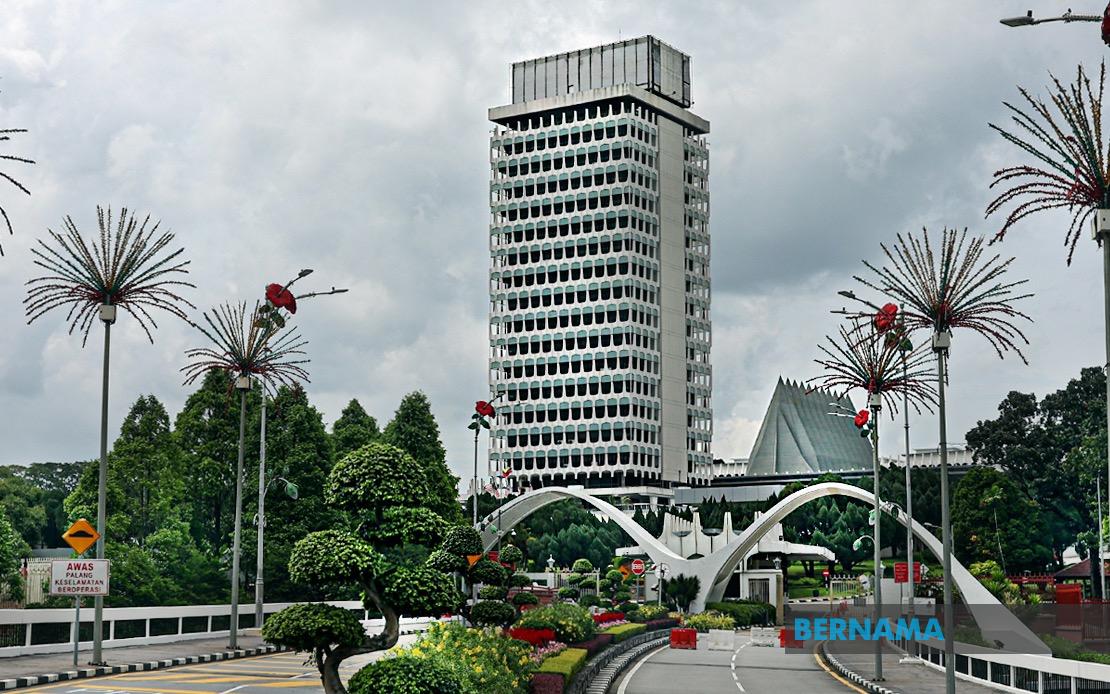
Parliament's third week of sitting produced tangible legislative progress alongside substantive debate on governance and policy direction, with lawmakers addressing economic regulation, food security, and persistent questions about media freedoms in the digital age. The Competition Amendment Bills 2026 and Competition Commission Amendment Bills 2026 secured passage, marking a strategic pivot toward addressing anti-competitive behaviour in an increasingly complex digital marketplace where traditional enforcement frameworks have struggled to keep pace with evolving business models and market concentration patterns.
The passage of these competition measures reflects growing recognition among policymakers that Malaysia's regulatory infrastructure requires modernisation to protect consumers and maintain fair market conditions as digital commerce reshapes traditional retail, financial services, and media landscapes. These amendments represent a deliberate attempt to equip enforcement authorities with more sophisticated tools and clearer mandates, particularly relevant for Malaysian businesses navigating regional trade agreements and domestic market dynamics where established players have sometimes leveraged their positions against emerging competitors.
Equally significant was the tabling for first reading of the Control of Padi and Rice Amendment Bill 2026, which targets systemic problems within the nation's rice sector through substantially elevated penalties, with the maximum fine climbing to RM1 million. This legislative approach signals government determination to combat longstanding issues of supply chain manipulation, quality degradation, and market manipulation that have periodically created domestic rice scarcity and price volatility, affecting household food budgets and undermining food security objectives despite Malaysia's capacity for self-sufficiency.
Parallel to these economic measures, parliament devoted considerable attention to the Human Rights Commission of Malaysia's 2024 annual report, with multiple parliamentary members offering detailed recommendations flowing from SUHAKAM's documented findings. The commission's work encompasses investigations into alleged rights violations, institutional failings, and systemic weaknesses across government agencies, making the parliamentary engagement with this report an important accountability mechanism and an indicator of institutional health within Malaysia's governance architecture.
Prime Minister Datuk Seri Anwar Ibrahim used his ministerial question time appearance to articulate government strategy regarding the micro, small and medium enterprises sector, emphasising that financial institutions must process loans and credit facilities with greater efficiency whilst maintaining prudent lending standards. This balancing act reflects the government's recognition that MSMEs form the backbone of employment and economic dynamism outside major urban centres, yet frequently face institutional barriers when accessing capital, a particularly acute problem for women entrepreneurs and rural-based businesses seeking expansion financing.
The press freedom discussion proved equally revealing of current government thinking. Responding to Malaysia's declining position in the World Press Freedom Index, Anwar acknowledged that enforcement actions targeting certain media organisations had influenced international perceptions, yet defended these actions as directed not at suppressing legitimate journalism or political opposition but rather at content violating boundaries around religious sensitivity, racial harmony, and royal institution respect alongside material genuinely threatening national security. This framing attempts to distinguish between what the government characterises as appropriate boundaries and what critics describe as excessive restrictions, a tension increasingly evident in regional media governance.
A significant procedural innovation emerged through Anwar's announcement that complaints against journalists working for recognised media organisations would no longer automatically trigger investigations by authorities but would instead require referral to the Malaysian Media Council, a self-regulatory body. This approach delegates initial filtering of complaints to an industry-based mechanism rather than government agencies, potentially reducing politically-motivated enforcement whilst creating new questions about the MMC's actual independence and effectiveness in protecting editorial freedom whilst maintaining professional standards.
Two parliamentary select committees presented findings that underscored emerging social challenges requiring policy attention. The Special Select Committee on Health delivered recommendations regarding organ donation and transplantation frameworks, seeking to expand the volunteer donor base and improve the logistics of organ allocation, whilst simultaneously a committee focused on women, children and community development documented alarming trajectory in abuse and violence cases across the six-year period beginning in 2020. These statistics carry profound implications for social policy, law enforcement resource allocation, and the adequacy of support services for vulnerable populations.
Defence and security discussions centred on the replacement selection process for the Naval Strike Missile system currently deployed on Littoral Combat Ships, a decision with considerable implications for Malaysia's maritime capabilities and defence industrial relationships. Separately, the seizure of vape products containing suspected synthetic drugs figured prominently, reflecting broader government efforts to address emerging drug threats disguised within seemingly legitimate consumer products, a challenge requiring coordination across health, customs, and law enforcement agencies.
Deputy Finance Minister Liew Chin Tong's revelation regarding 1Malaysia Development Berhad's ongoing financial burden proved sobering, with the government's total liabilities reaching RM51.4 billion when combining settled and outstanding obligations. This figure encapsulates both the historical fiscal damage from the controversial investment company and the ongoing costs of managing the fallout, representing a substantial drag on government finances that constrains resources available for development spending and social programmes.
Government ministries completed their winding-up speeches across the week, with eleven agencies including the Home Ministry, Health Ministry, Foreign Ministry, Finance Ministry and the Prime Minister's Department responding to parliamentary concerns and providing departmental perspectives on raised issues. This comprehensive engagement demonstrated parliament's breadth of influence across the government apparatus whilst revealing the range of contemporary challenges occupying ministerial attention and shaping resource priorities.
Dewan Rakyat Speaker Tan Sri Dr Johari Abdul's reminder about regular health screening, prompted by a parliamentary member's hospitalisation at the National Heart Institute, reflected broader concerns about the wellness of elected representatives and the demands of parliamentary service. The reminder proved more than perfunctory given Malaysia's parliamentary calendar intensity and the cardiovascular risks associated with high-stress governance roles.
With one week remaining before the Fifth Session's conclusion on July 16, parliament still faced an extensive agenda encompassing remaining bills, motions, and departmental statements. The sitting's trajectory illustrated the ongoing tension between legislative progress and the comprehensive parliamentary scrutiny demanded by increasingly complex governance challenges facing Malaysia's diverse economy and pluralistic society.

