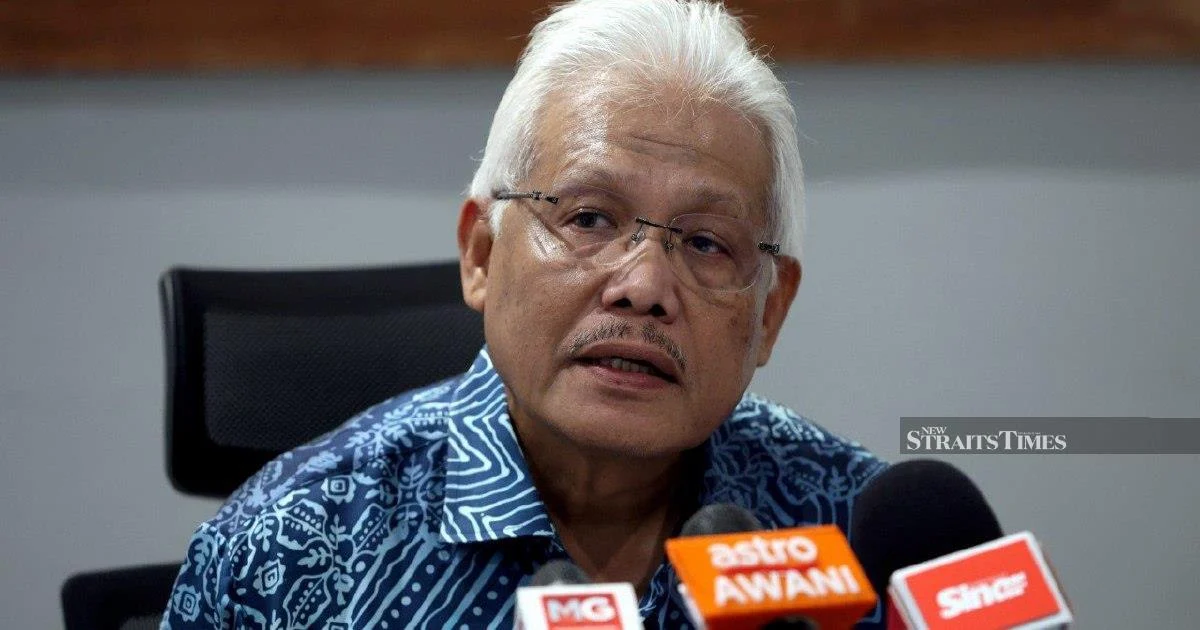
Parti Wawasan Negara, the recently rebranded political entity formerly operating as Parti Cinta Malaysia, is positioning itself as an intermediary force capable of fostering dialogue and cooperation between two of Malaysia's most influential Malay-Muslim political organisations, PAS and UMNO. Led by Hamzah Zainudin, the party contends that its role as a neutral mediator could prove instrumental in healing rifts that have periodically strained relations between these larger coalitions, thereby safeguarding the cohesion of Malay-Muslim political representation at both state and federal levels.
The emergence of Parti Wawasan Negara in this bridging capacity reflects a broader concern within Malaysian political circles regarding the consequences of prolonged factional tensions. The divergence between UMNO's secular-nationalist orientation and PAS's Islamist ideology has historically created friction, particularly in elections where electoral competition and seat allocation disputes have intensified divisions. Hamzah Zainudin's party believes that a dedicated intermediary could help establish common ground on shared policy objectives whilst respecting the ideological distinctiveness of both organisations.
The rebranding from Parti Cinta Malaysia to Parti Wawasan Negara signals an attempt to establish a fresh political identity whilst maintaining organisational continuity. This nomenclatural shift potentially reflects strategic repositioning, suggesting the party recognises that effective mediation requires a degree of institutional independence and perceived impartiality. The new name carries implications of broader national vision, which could appeal to voters and political actors seeking alternatives to polarising factional dynamics.
Malay-Muslim political unity has long been considered strategically significant in Malaysian politics, given the Malay-Muslim demographic majority and their concentrated electoral influence. However, this unity has frequently fractured along ideological, personalised, and institutional lines. PAS's growing electoral appeal, particularly in Peninsular Malaysian heartland regions, has occasionally conflicted with UMNO's traditional dominance of the Malay-Muslim voting bloc. These tensions have occasionally constrained the effectiveness of Malay-Muslim representation in federal governance structures.
Hamzah Zainudin's willingness to position Parti Wawasan Negara as a bridge entity reflects understanding that political fragmentation can undermine collective influence. The party's proposed role involves creating platforms for dialogue, identifying convergence points on priority issues, and potentially negotiating cooperative arrangements that could benefit both PAS and UMNO whilst advancing broader Malay-Muslim interests. Such mediation efforts would address not merely electoral competition but also substantive policy coordination on matters affecting Muslim communities.
The success of any bridging initiative depends substantially on receptiveness from both PAS and UMNO leadership. These organisations have entrenched institutional interests, competing bases of support, and divergent strategic visions that cannot be easily reconciled through intermediary efforts alone. Nevertheless, circumstances favouring dialogue have periodically emerged when external pressures or electoral calculations have incentivised cooperation. Parti Wawasan Negara's explicit commitment to facilitation could prove timely should political circumstances align favourably.
For Malaysian voters and civil society, the implications of enhanced PAS-UMNO cooperation extend beyond elite-level calculations. Reduced factional tension could potentially improve governance effectiveness, reduce resource expenditure on internecine political competition, and enable more sustained focus on substantive policy challenges including economic development, public service delivery, and social cohesion. Conversely, perceived collusion between larger organisations could marginalise smaller political entities and limit political pluralism.
Regional considerations also merit attention. Southeast Asia's broader political landscape increasingly features competition between pluralist and Islamist orientations, with Malaysia functioning as a significant arena for these ideological dynamics. The relationship between UMNO and PAS substantially influences how Malaysia navigates these currents. Effective coordination between these organisations could strengthen Malaysia's institutional capacity to address communal tensions and maintain democratic stability, whilst factional conflict risks creating vulnerabilities that could destabilise governance.
Parti Wawasan Negara's initiative must also contend with structural challenges inherent to political mediation. The party itself requires sufficient political capital and institutional credibility to exert meaningful influence over organisations substantially larger and more institutionally entrenched. Hamzah Zainudin's previous experience in high-level political negotiations and his current party's stated independence from both major coalitions provide some foundation for such endeavours, though transformation of this positioning into tangible diplomatic success remains uncertain.
Looking forward, the effectiveness of this bridging initiative will likely depend on whether concrete opportunities for cooperation emerge that simultaneously serve interests of both PAS and UMNO whilst commanding legitimacy among their respective supporters. Electoral calculations, leadership dynamics, and broader ideological tensions will continue influencing the receptiveness of both organisations to mediated cooperation. Parti Wawasan Negara's commitment to this role underscores growing recognition amongst Malaysian political actors that fragmentation carries costs, though whether this recognition proves sufficient to generate meaningful institutional change remains to be demonstrated.

