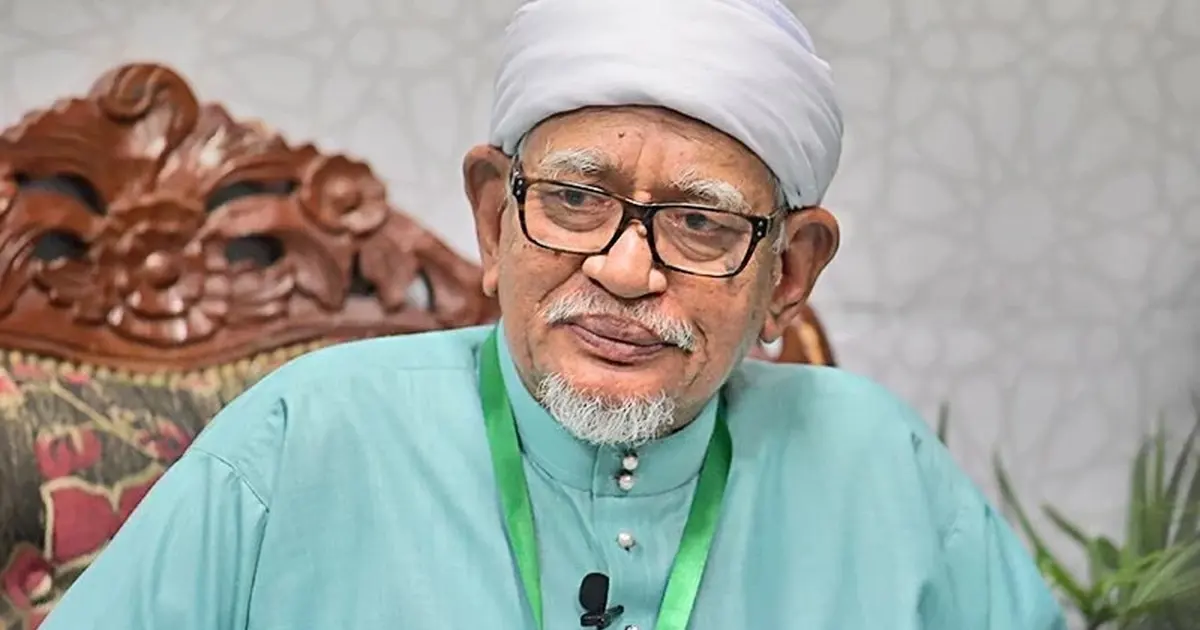
Coalition talks between PAS and Barisan Nasional concerning the distribution of state legislative seats in Melaka are continuing, according to PAS president Hadi Awang, with the outcome of the 15th General Election significantly influencing the shape of these discussions. The negotiations represent a critical moment for both coalitions as they seek to optimise their electoral positioning ahead of potential state-level contests, particularly given the shifting political landscape that has characterised Malaysian politics over the past two years.
The fact that Barisan Nasional failed to capture any parliamentary seats in Melaka during GE15 has emerged as a central consideration in the ongoing dialogue. This electoral performance stands in stark contrast to the coalition's historical dominance in the state and underscores the substantial ground that the establishment alliance has lost in certain peninsular bastions. For PAS, this represents significant leverage in seat-sharing arrangements, as the Islamic party can legitimately argue that its political machinery and grassroots networks have proven more resilient in Melaka's competitive electoral environment.
The dynamics of these negotiations carry implications that extend well beyond Melaka's borders. Both coalitions are acutely aware that any agreement on seat allocation in the state will set precedents for similar discussions in other territories where their combined interests might be better served through coordinated action rather than head-to-head competition. The composition of any eventual arrangement will signal to party grassroots and supporters nationwide how each organisation values internal partnerships and whether coalition agreements translate into tangible electoral benefits.
For PAS specifically, the Melaka negotiations represent an opportunity to consolidate gains made during the recent general election cycle. The party's improved performance relative to traditional partners within both major coalitions has reshaped internal power dynamics and elevated its bargaining position in seat-sharing discussions. Hadi Awang's willingness to publicly confirm ongoing talks suggests that PAS views these discussions positively, indicating that preliminary rounds have not encountered fundamental obstacles that might derail the process.
Barisan Nasional, meanwhile, faces a more complex calculus. The coalition has spent considerable political capital attempting to rebuild its image and credibility following consecutive electoral setbacks. A seat-sharing agreement with PAS in Melaka could either represent a pragmatic acknowledgment of current realities or be perceived as an admission of weakness. The coalition leadership must balance the need to field competitive candidates with the imperative to maintain the coalition's independence and brand identity in voters' minds.
The specific mention of GE15 parliamentary results in Melaka carries weight in these negotiations because state legislative performance and parliamentary performance, while distinct, are often correlated. Voters who rejected BN candidates in parliamentary contests typically applied similar preferences in state-level races. This pattern suggests that any resurgence by Barisan Nasional in Melaka will require more fundamental rehabilitation than simply adjusting seat allocations with coalition partners—it will require genuine improvements in party organisation and messaging.
Melaka holds particular strategic importance within the broader Malaysian political context. As a coastal state with historical significance and proximity to the Klang Valley's economic powerhouse, political developments there often presage shifts in the peninsular political landscape more broadly. Arrangements made in Melaka frequently serve as testing grounds for coalition strategies that may later be deployed in Selangor, Perak, or other competitive territories. This reality ensures that negotiations there attract close attention from party headquarters across the country.
The ongoing nature of these talks, as emphasised by Hadi Awang's statement, suggests that neither side perceives the situation as urgent enough to impose artificial deadlines. This measured approach could indicate genuine progress in discussions, with both parties working methodically through the technical details of seat allocation. Alternatively, it might suggest that preliminary rounds are still establishing the parameters of negotiation and that more intensive bargaining lies ahead.
For Malaysian voters and political observers, these developments underscore a broader reality about contemporary Malaysian politics: coalition arrangements have become central to competitive electoral strategy. Rather than individual parties dominating specific states or regions as they did during earlier decades, success now increasingly depends on forging effective partnerships and allocating resources strategically across territories. The Melaka negotiations exemplify this new normal, where seat-sharing discussions have become routine features of political preparation rather than exceptional arrangements.
As these talks progress, the outcomes will likely receive scrutiny from both Umno-led elements within Barisan Nasional and the broader PAS rank-and-file. Party members in both organisations will assess whether their respective leaderships are securing favourable terms or making excessive concessions. Such internal scrutiny often proves as consequential as the actual electoral results, as party unity and member morale directly influence campaign effectiveness. Hadi Awang's public acknowledgment of the negotiations signals to PAS supporters that their party is engaged in serious political positioning, while simultaneously indicating to BN interlocutors that PAS remains committed to exploring mutually beneficial arrangements.

