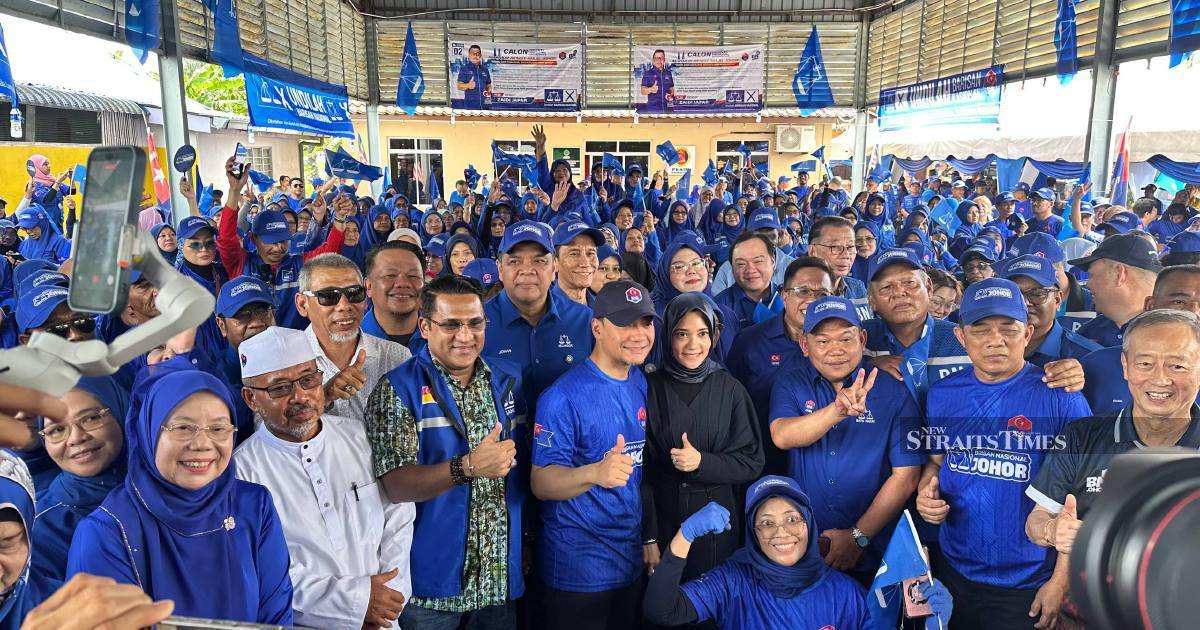
The appearance of two prominent Pas division leaders at a Barisan Nasional gathering in Batu Pahat has underscored intensifying efforts to consolidate ties between Umno and allied Malay-centric political movements as campaigning intensifies ahead of the Johor state election scheduled for next month. The joint presence at the event in the southern Johor district reflects a broader strategic realignment within the BN coalition, suggesting that groundwork for electoral cooperation between the major component parties is well underway.
The attendance signals a warming of relations between Umno and Pas, two historically competitive organisations that have moved closer in recent years despite their different ideological foundations. While Umno has traditionally anchored the Barisan Nasional as the dominant Malay party, Pas—rooted in Islamic activist circles—has pursued its own political agenda and occasionally contested against BN candidates. This event suggests a conscious effort to present a united front to Johor voters and consolidate Malay-Muslim support behind the coalition's slate.
Batu Pahat, one of Johor's key electoral battlegrounds, has witnessed competitive contests in previous polls between BN, Pakatan Harapan, and Islamic-leaning opposition forces. The district's mixed urban and semi-rural demographics make it strategically significant for any party seeking to build a decisive electoral majority in the state. By hosting a joint Umno-Pas gathering in this constituency, BN is attempting to project strength and demonstrate that major Malay parties can operate cohesively rather than fragmenting the Malay-Muslim vote across competing camps.
For Pas, participation in such BN events represents a delicate balancing act. The party has traditionally maintained an independent political identity and has not been formally part of the Barisan coalition, though relations have fluctuated significantly. The willingness of Pas division leadership to participate in this BN gathering suggests confidence that such cooperation will not compromise the party's distinct brand or displease its grassroots supporters, many of whom prioritise Islamic governance issues over rigid coalition loyalty.
Umno's cultivation of relationships with other Malay-based parties reflects an assessment that the federal ruling coalition's electoral prospects depend on preventing opposition fragmentation of the Malay vote. In recent years, Umno has experienced significant defections and has faced sustained criticism from both Pas and younger Malay Muslims who question its commitment to Islamic principles and governance. By demonstrating that Umno can work constructively with Pas, the party seeks to reclaim credibility within the Malay Muslim community and counter narratives of institutional decay or ideological compromise.
The timing of such outreach carries particular weight. Johor, long a BN stronghold, has become a contested state where opposition forces have made substantial inroads. The previous state election in 2018 saw Pakatan Harapan capture significant ground, though Umno-led BN managed to retain overall control. The current political landscape is far more fluid, with voter preferences shifting unpredictably and younger cohorts showing less automatic loyalty to established parties. In this environment, securing maximum support from related Malay-Muslim constituencies becomes crucial to BN's ability to secure or extend its parliamentary and state majorities.
Pas's participation also reflects broader calculations within the Islamic party's leadership about future political opportunities. By demonstrating cooperative potential with Umno through events like the Batu Pahat gathering, Pas may be positioning itself as a responsible coalition partner worthy of cabinet positions or policy concessions in any future government formation. Conversely, such moves maintain optionality—Pas can simultaneously negotiate with opposition partners while keeping channels open to BN, thereby maximising its negotiating leverage regardless of electoral outcomes.
The messaging implicit in this gathering matters considerably for Malaysian and Southeast Asian political observers. Coalition politics in Malaysia remain deeply personalised and fluid, with formal and informal arrangements often determining electoral outcomes more decisively than policy platforms or ideological positioning. The Batu Pahat event illustrates how national political narratives and calculations translate into district-level organisational activity and symbolic demonstrations of party unity.
For Johor voters, such developments suggest that the upcoming state election will be largely determined by perceptions of which coalition partner—BN or opposition formations—offers the more stable and competent governance option. Malay-Muslim voters, constituting a decisive demographic in most Johor constituencies, will likely assess which coalition most credibly champions their communal interests while maintaining institutional effectiveness. The ability of Umno and Pas to cooperate visibly without creating organisational conflicts becomes a signal to voters that political stability and coherent governance are possible under either arrangement.
Moving forward, the success of such coalition-building efforts will depend on whether apparent cooperation translates into genuine policy alignment and whether grassroots members of both parties embrace such arrangements. Historical precedent suggests that personal relationships between senior leaders often matter more than formal institutional structures, and that electoral alliances can be fragile if perceived as disadvantaging one party's members in seat distributions or policy influence. The weeks leading to the Johor election will likely feature additional such gatherings as both Umno and Pas test the durability and breadth of their working relationship.

