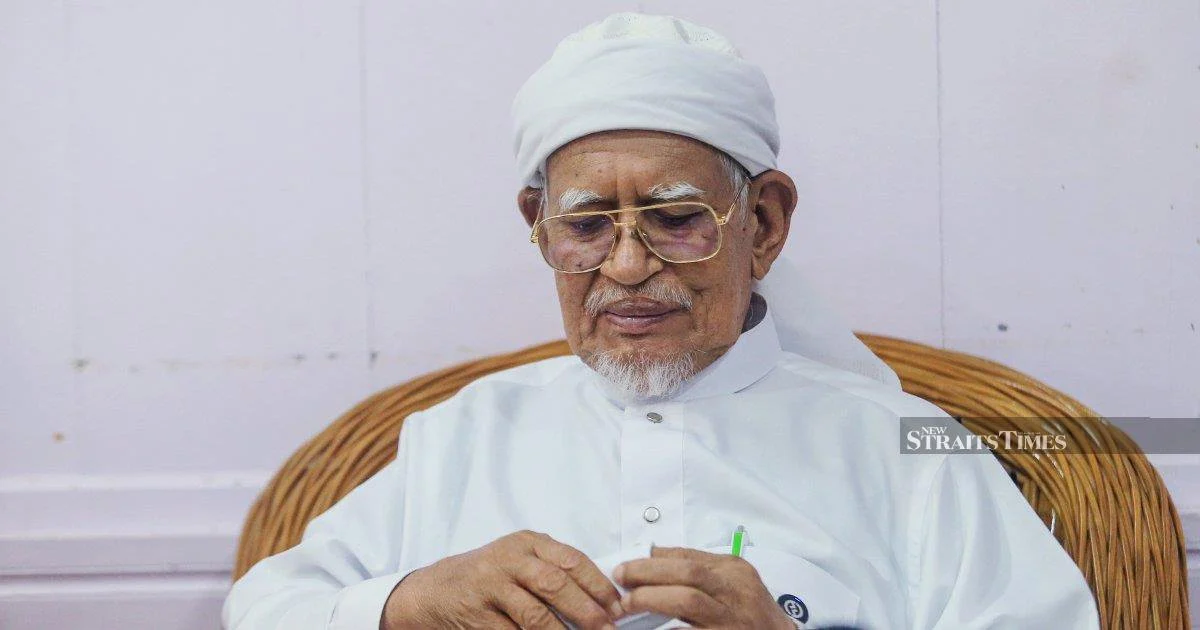
The Islamic party PAS has signalled its preparedness to provide crucial support to Umno in constructing a Johor state government, contingent upon Barisan Nasional's performance at the ballot box on Saturday. The offer comes as political parties prepare for what is expected to be a keenly contested state election, with neither coalition confidently predicting outright control of the legislature.
This positioning by PAS reflects the precarious nature of contemporary Malaysian politics, where single-party dominance has become increasingly uncommon across state assemblies. The undertaking to assist Umno—historically the dominant party within Barisan Nasional—represents a strategic alignment that acknowledges the possibility of a fragmented electoral outcome. Such contingency planning has become standard practice among coalitions and individual parties when elections appear likely to produce narrow margins.
For Johor specifically, the stakes carry particular significance given the state's historical importance as a Barisan stronghold and its economic weight within the federation. The state's electoral result often carries symbolic weight beyond its immediate political implications, influencing perceptions of coalition strength nationwide. An inconclusive outcome requiring post-election negotiations would mark a departure from traditional patterns in Johor, where electoral verdicts have typically been unambiguous.
PAS's overture suggests the party views potential collaboration with Umno as preferable to alternative outcomes, whether involving Pakatan Harapan or independent arrangements. This reflects broader calculations within Peninsular Islamic politics, where PAS has maintained varying relationships with Umno depending on electoral fortunes and strategic considerations. The party's willingness to negotiate demonstrates confidence that its electoral position will justify meaningful participation in government formation.
The timing of this statement—made as voting approaches—indicates parties are positioning themselves for multiple scenarios. In Malaysian politics, post-election negotiations frequently determine final government composition, particularly when no single party or bloc achieves commanding majorities. Voters in Johor will cast their ballots with awareness that actual governance arrangements might involve realignments or coalition adjustments occurring after results become clear.
For Umno, securing such undertakings from potential allies provides negotiating flexibility should Saturday's results disappoint. Rather than facing outright rejection at the ballot box, the party gains assurances that even marginal performance might still translate into executive responsibility. This calculation benefits opposition parties as well, who understand that alternative power arrangements remain feasible depending on vote distribution across constituencies.
The Johor election assumes added weight within the national political cycle, coming amid broader questions about Barisan Nasional's revival following years of electoral setbacks. Recent federal government formation has relied partly on support from smaller parties and independent representatives, establishing precedent for multi-party or conditional governance arrangements. Johor's outcome will help illuminate whether Barisan can reconstitute traditional dominance or whether new political equilibriums are becoming permanently embedded in Malaysian electoral dynamics.
Regional observers across Southeast Asia monitoring Malaysian political developments will note how such arrangements function in practice. Malaysia's experience with coalition flexibility and post-election negotiations provides instructive lessons for other democracies managing fragmented parliaments and competing political blocs. The Johor election will offer fresh case material regarding how traditional parties adapt to circumstances where overwhelming mandates no longer materialise automatically.
From a Malaysian perspective specifically, the election highlights ongoing tensions between urban and rural constituencies, evolving demographic patterns, and shifting voter preferences that prevent predictable outcomes. Campaign messaging from competing coalitions will likely emphasise governance competence and development delivery rather than rely on historical voting patterns. Johor voters appear positioned to render judgment based on contemporary governance performance and future promises rather than purely on legacy allegiances.
The possibility that government formation might require negotiation between former rivals or ideologically distinct partners raises questions about governing stability and policy coherence once administration commences. Conditional support arrangements sometimes constrain executive decision-making or require concessions on policy matters to maintain legislative majorities. Understanding these dynamics becomes crucial for businesses, investors, and citizens attempting to predict how Johor governance might function under various post-election scenarios.
PAS's public commitment to supporting Umno-led administration should Barisan underperform also signals the party's assessment that Islamic governance principles might receive more favourable consideration within such arrangements compared to alternative outcomes. The statement reflects calculated positioning designed to appeal both to PAS's core electoral base and to potential coalition partners navigating post-election realities.
As Johor voters prepare to cast ballots on Saturday, they do so understanding that their choices will set parameters for subsequent political negotiations rather than necessarily determining final administrative arrangements outright. The PAS statement illustrates how contemporary Malaysian elections function as preliminary stages in more complex governance formation processes, where multiple actors negotiate final power-sharing arrangements based on electoral mathematics.

