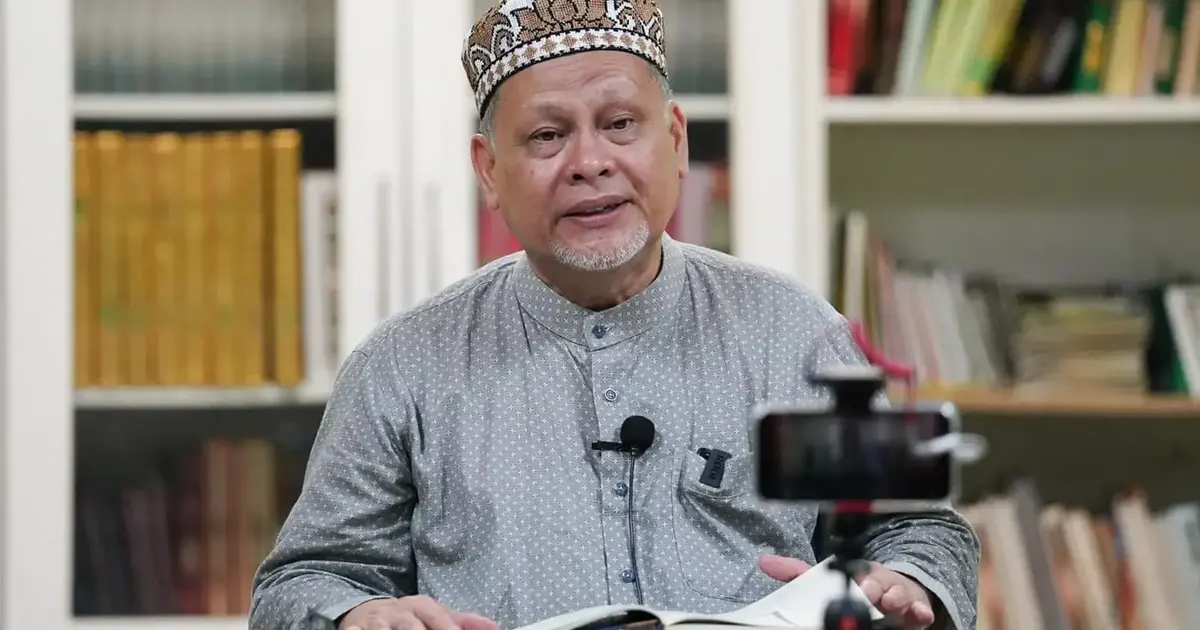
PAS has signalled willingness to compete directly against its Perikatan Nasional ally Bersatu if the two coalition partners find themselves bidding for the same constituencies in the upcoming Negeri Sembilan state election. Vice-president Amar Abdullah made the declaration, reflecting underlying tensions within the opposition alliance over seat allocation despite their shared political platform.
The statement underscores a critical reality within Malaysia's multi-party coalition politics: even partners united against a common adversary must navigate internal competition over electoral territory. Negeri Sembilan, a state where both PAS and Bersatu hold ambitions, has emerged as a potential flashpoint for seat negotiations within Perikatan Nasional. Rather than attempting to paper over these tensions, Amar Abdullah's candid acknowledgement suggests PAS is prepared to assert its interests firmly if compromise cannot be reached during coalition deliberations.
This posturing reflects PAS's broader confidence in its electoral machinery and grassroots organization. As an established political entity with a substantial membership base across Peninsular Malaysia, PAS has demonstrated resilience in state and federal contests. The party's willingness to challenge Bersatu directly, if necessary, implies an assessment that it can hold its ground in head-to-head competition, particularly in constituencies where it has established organizational presence. This confidence is essential for negotiations within Perikatan Nasional, where parties lacking credible competitive claims might be pressured into accepting fewer or less viable seats.
The Negeri Sembilan election represents a significant battleground for both parties. Bersatu, despite its relative youth and the fraught circumstances of its emergence from UMNO, has demonstrated surprising electoral vitality in several state contests. The party's performance in previous elections has created legitimate claims to competitive seats. However, PAS's intervention signals that it views certain Negeri Sembilan constituencies as within its capacity to win, and therefore not automatically conceding territory to newer coalition members.
Seat allocation disputes within Malaysian coalitions are rarely merely technical exercises. They reflect underlying power dynamics and future positioning within the alliance. By publicly indicating readiness to contest against Bersatu if negotiations falter, Amar Abdullah has essentially declared that PAS will not accept an unfavourable arrangement. This form of transparent communication, while potentially uncomfortable, often proves more effective than backroom posturing because it establishes clear parameters for negotiation. Coalition partners understand that they must offer meaningful proposals or risk actual electoral conflict.
For Negeri Sembilan voters, such intra-coalition friction presents both opportunities and risks. Competition between Perikatan Nasional component parties could force candidates to address local issues more seriously, knowing they face scrutiny from rival coalition members as well as opposition parties. Conversely, internal competition might dilute the coalition's overall electoral efficiency if it cannot coordinate effectively, potentially allowing opposition candidates to capitalize on divided opposition votes in particular constituencies.
The Negeri Sembilan context also matters significantly. As a state where various political forces maintain influence, seat allocation becomes particularly consequential. A suboptimal arrangement for either PAS or Bersatu could affect the coalition's overall performance. This heightens the stakes in negotiations and justifies the firm stance Amar Abdullah has adopted. Neither party can afford catastrophic losses in the state simply to maintain facade unity within their alliance.
Amar Abdullah's statement also addresses a persistent weakness in Malaysian coalition politics: the perception that some partners are merely accommodated rather than genuinely accepted as equals. By refusing to accept automatic subordination to any coalition partner, PAS asserts its status as a principal player within Perikatan Nasional rather than a junior partner. This messaging matters not only for internal coalition dynamics but also for PAS's supporters, who need assurance that their party maintains genuine autonomy and influence within any political arrangement.
For broader Malaysian political observers, this development illustrates the inherent tensions within any multi-party coalition. Shared opposition to a common adversary proves insufficient to eliminate competition for electoral advantage. The fact that such tensions emerge relatively openly, through statements by senior party officials, suggests that both PAS and Bersatu recognize value in maintaining transparent communication rather than allowing resentment to fester beneath surface-level solidarity claims.
The coming weeks will be instructive regarding Perikatan Nasional's actual cohesion. If seat negotiations proceed smoothly despite Amar Abdullah's warning, it will indicate that both parties can compromise rationally. If disputes emerge publicly, it will confirm that coalition partnership remains contingent and contested. Either outcome carries implications for how the opposition alliance performs not only in Negeri Sembilan but in future state elections across Malaysia.

