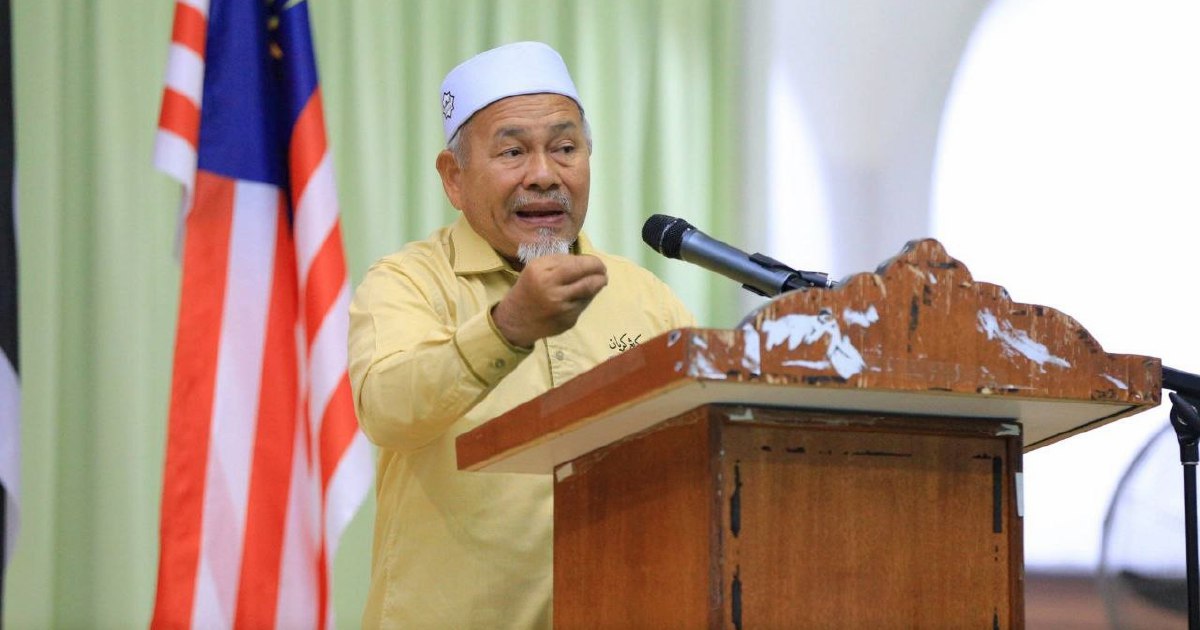
The Islamic Party of Malaysia has indicated it will entertain the prospect of trading electoral constituencies with its Barisan Nasional partner UMNO when voters next go to the polls, creating potential shifts in Malaysia's political landscape that could reshape the distribution of federal and state representation across the peninsula. Speaking in Temerloh, PAS deputy president Datuk Seri Tuan Ibrahim Tuan Man explained that his party would be willing to discuss surrendering some of its current state assemblyman and parliamentary seats to UMNO, though such arrangements would come with specific conditions that both parties would need to negotiate and agree upon.
The prospect of seat swaps between coalition partners reflects a practical dimension of electoral politics in Malaysia, where alliance partners frequently seek to optimize their combined competitiveness by concentrating party resources where candidates have the strongest chances of victory. Such arrangements have historical precedent in Malaysian elections, where parties have previously negotiated which constituencies each would contest to avoid wasteful competition within coalition blocs. This particular overture from PAS suggests deliberation within Barisan Nasional about how best to marshal strength ahead of elections that could reshape both federal and state assemblies depending on the timing and scope of electoral campaigns.
The statement carries significance for the Pahang political context, where both PAS and UMNO maintain substantial influence. Temerloh itself has been contested territory where the dynamics between these two Malay-Muslim-majority parties have shifted over recent election cycles. The willingness to discuss such trades could indicate broader strategic recalibration within the coalition, particularly if demographic and electoral trends suggest that gerrymandering or straightforward constituency swaps might enhance their collective electoral performance relative to opposition blocs.
For Malaysian political observers, such discussions underscore the continued salience of coalition arithmetic in a system where most governments require multiple parties to achieve parliamentary majorities. The structure of Malaysia's electoral system, combined with uneven demographic distribution across constituencies, often rewards strategic seat allocation between allied parties far more than it rewards contesting the same seats. PAS's openness to discussion therefore reflects pragmatic recognition that surrendering some constituencies to a partner party might yield a net gain in overall Barisan Nasional representation if UMNO can capture seats that PAS would struggle to win.
However, the conditional nature of any such arrangement warrants close attention. Tuan Ibrahim's emphasis on "certain conditions" suggests that PAS leadership is unlikely to cede seats without corresponding benefits or guarantees. These could encompass assurances regarding UMNO's support for PAS candidates in other constituencies, commitments to implement policies favorable to PAS's Islamist agenda, or mechanisms ensuring PAS retains influence over state or federal government portfolios. The details of such conditions will likely remain subject to internal party negotiation rather than public disclosure.
The timing of this statement also merits consideration within the broader Malaysian political calendar. While no general election date has been set, such preliminary discussions between coalition partners typically intensify as an electoral campaign approaches. The fact that PAS is now publicly signalling flexibility suggests either that party leadership is laying groundwork for future negotiations, or that internal discussions have already progressed to a stage where public acknowledgment carries political value. This type of forward-signalling allows both parties to gauge public and grassroots reaction before committing to specific arrangements.
Regionally, such seat-swapping mechanisms represent a common feature of coalition politics across Southeast Asia, though the specific Malaysian context involves additional complexity due to the role of state governments, federal-state power dynamics, and the way electoral systems at different levels interact. The outcome of any PAS-UMNO seat distribution could have ripple effects on representation not only in the federal Parliament but also in state legislatures, where coalition governments operate independently and negotiate their own power-sharing arrangements.
The implications for opposition parties are equally noteworthy. If Barisan Nasional successfully consolidates its electoral strategy through such seat swaps, it could concentrate opposition strength more effectively against rival blocs. Conversely, overly generous concessions by PAS to UMNO might create dissatisfaction among PAS grassroots members or open space for opposition parties to compete for constituencies where PAS previously held ground. The balance between maximizing coalition strength and maintaining individual party identity represents a perpetual tension in multi-party electoral systems.
For Malaysian voters, such developments underscore the degree to which electoral outcomes reflect not merely voter preference but also pre-election negotiations between party leadership. Understanding these behind-the-scenes arrangements provides important context for interpreting election results and predicting post-election government formation. The outcome of PAS-UMNO discussions will likely become clearer only once electoral campaigns formally commence, at which point both parties must declare their intended candidates across all contested seats.
Looking forward, the trajectory of such negotiations could indicate whether Barisan Nasional has achieved sufficient internal cohesion to mount a unified electoral challenge, or whether underlying tensions between component parties might still manifest during campaign periods. PAS's signal of willingness to negotiate represents a positive indicator for coalition stability, though the actual translation of such openness into binding agreements will require sustained dialogue and mutual compromise between the two major Malay-based parties.

