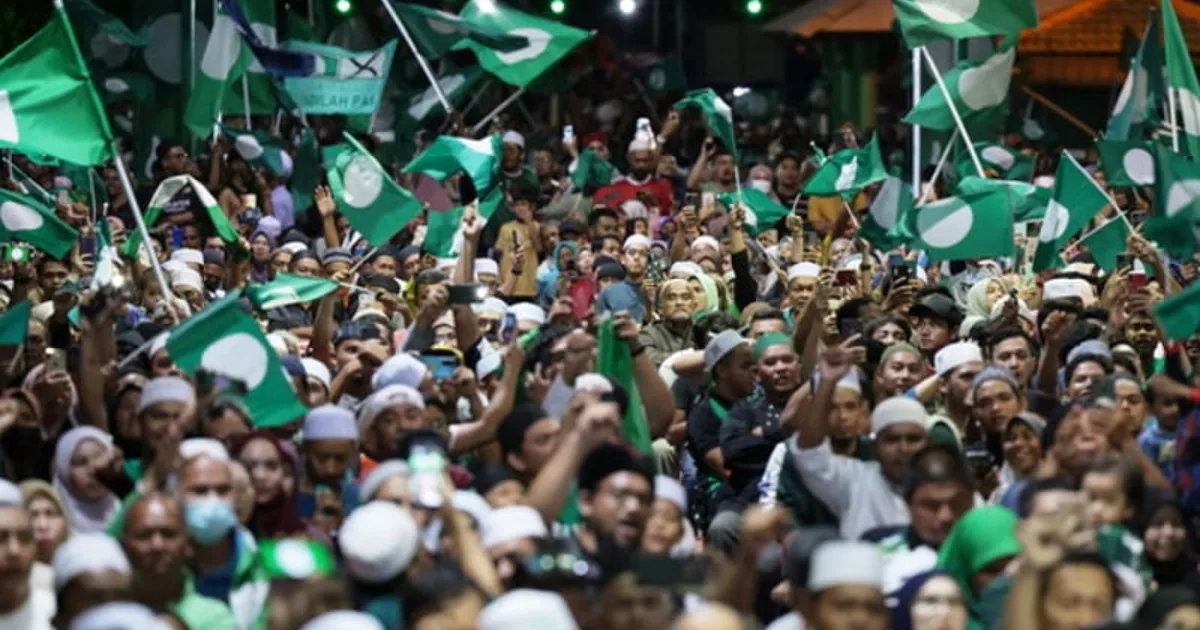
The Pan-Malaysian Islamic Party's decision to withdraw its election machinery from specific constituencies represents a significant recalibration of the Perikatan Nasional coalition's electoral strategy, concentrating party resources where they can be most strategically deployed. Rather than spreading its organisational capacity thinly across numerous battlegrounds, PAS is consolidating its campaign apparatus in constituencies where the party stands as the primary PN contender or where its presence can meaningfully influence outcomes in partner party races.
This tactical pivot reflects the pragmatic reality of coalition politics in Malaysia's increasingly complex electoral landscape. The Perikatan Nasional bloc, which brings together PAS, Bersatu, and other constituent parties, has determined that maximising competitive advantage requires calculated resource allocation rather than uniform deployment across all contested seats. By pulling back from constituencies where other PN components—most notably Bersatu—are positioned to run, PAS effectively redirects volunteer mobilisation, campaign funds, and organisational energy toward maximising returns on investment.
The implications for Bersatu are substantial. The party, which emerged from internal political turbulence and continues rebuilding its grassroots presence, stands to benefit considerably from PAS's withdrawal. In constituencies where PAS machinery would normally operate, Bersatu now gains access to a clearer field, reduced internal coalition competition, and the implicit endorsement of PAS's decision to concentrate support elsewhere. This arrangement allows Bersatu to focus on voter persuasion without simultaneously contending against fellow coalition members for the same electoral space.
Understanding the structure of Perikatan Nasional's seat allocation requires examining how the coalition negotiated its internal distribution prior to elections. Unlike formal electoral alliances with explicit written agreements, PN's arrangements often evolve through bilateral discussions and mutual understandings between component parties. PAS's move to withdraw machinery from specific constituencies signals that such negotiations have established clear territorial delineations—areas designated primarily for Bersatu while others remain PAS strongholds.
From a Malaysian electoral perspective, this strategic flexibility demonstrates how coalition management shapes ground-level campaign dynamics in ways voters may not immediately recognise. The traditional narrative suggests that voters choose between parties or coalitions based on platforms and personalities. However, the behind-the-scenes choreography of resource deployment often determines which candidates receive optimal organisational support and consequently which aspirants stand realistic chances of victory. PAS's withdrawal effectively preselects Bersatu candidates as coalition-backed contenders in designated seats.
Regionally across Southeast Asia, such tactical coordination is increasingly common as parties recognise that united opposition or coalition fronts require internal sacrifice. Thailand's coalition governments have engaged in similar seat-sharing arrangements, as have Philippine political coalitions during election cycles. The difference in Malaysia's case lies partly in the religious dimension: PAS's capacity to mobilise Islamically-conscious voters makes its withdrawal from specific areas particularly consequential, as those constituencies lose access to that particular mobilising capacity.
The assistance that PAS redirects toward constituencies it continues contesting and those where other PN components run creates an interesting incentive structure. Party machinery deployed in PN strongholds—areas where Bersatu might not field competitive candidates but other coalition partners do—helps maintain overall coalition vote share. This collective approach assumes that total PN performance matters more than individual party performance, an assumption that holds true only if coalition partners trust that vote maximisation at the collective level translates into equitable seat distribution according to prior agreements.
For Malaysian voters in affected constituencies, the practical consequence involves encountering campaign intensity calibrated by coalition strategy rather than purely by competitive electoral dynamics. Where PAS concentrates its machinery, voters experience robust grassroots campaigning. Where the party has withdrawn, campaign presence thins considerably unless Bersatu or other component parties substantially elevate their own organisational deployment. This uneven intensity field shapes information accessibility and voter mobilisation patterns in ways that merit closer examination.
The sustainability of such arrangements depends on whether all PN components believe they benefit equitably from the overall approach. If Bersatu experiences electoral success in constituencies where PAS has withdrawn support, that outcome validates the coalition's strategic calculation. Conversely, if Bersatu struggles despite reduced internal competition, PN partners may demand reassessment of the arrangement, potentially creating tension within the coalition. Such dynamics often surface only after electoral results become apparent, making pre-election promises of machinery withdrawal somewhat provisional pending outcome verification.
Looking forward, PAS's operational decision provides insight into how Perikatan Nasional intends to approach electoral competition. The coalition appears to have moved beyond zero-sum thinking where each component party maximises its individual presence and instead toward coalition-level optimisation where parties accept constrained deployment in exchange for protected spaces. This represents maturation of coalition discipline, though whether such discipline survives the competitive pressures of actual campaigning remains an open question that only electoral results can definitively answer.
The broader significance extends to how Malaysian coalitions manage the tension between unified branding and component party identity. PAS remains a powerful independent force commanding deep grassroots networks and ideologically committed supporters. By strategically deploying rather than universally deploying those assets, the party signals coalition commitment while preserving its organisational capacity for circumstances where its unique mobilising power becomes essential. This calibrated approach may offer lessons for how geographically and ideologically diverse coalitions can function effectively despite inherent contradictions.

