Malaysia's security establishment is moving to fortify its aviation defences by embedding police officers within airport security frameworks, a decision endorsed at Cabinet level that signals heightened national concern over vulnerabilities in the aviation sector. The announcement by government spokesman Datuk Seri Fahmi Fadzil comes in the wake of an embarrassing incident involving a Malaysian pilot detained in Indonesia on suspicion of narcotics trafficking, an episode that has evidently prompted policymakers to reassess the adequacy of existing safeguards at the nation's airports and their surrounding security ecosystems.
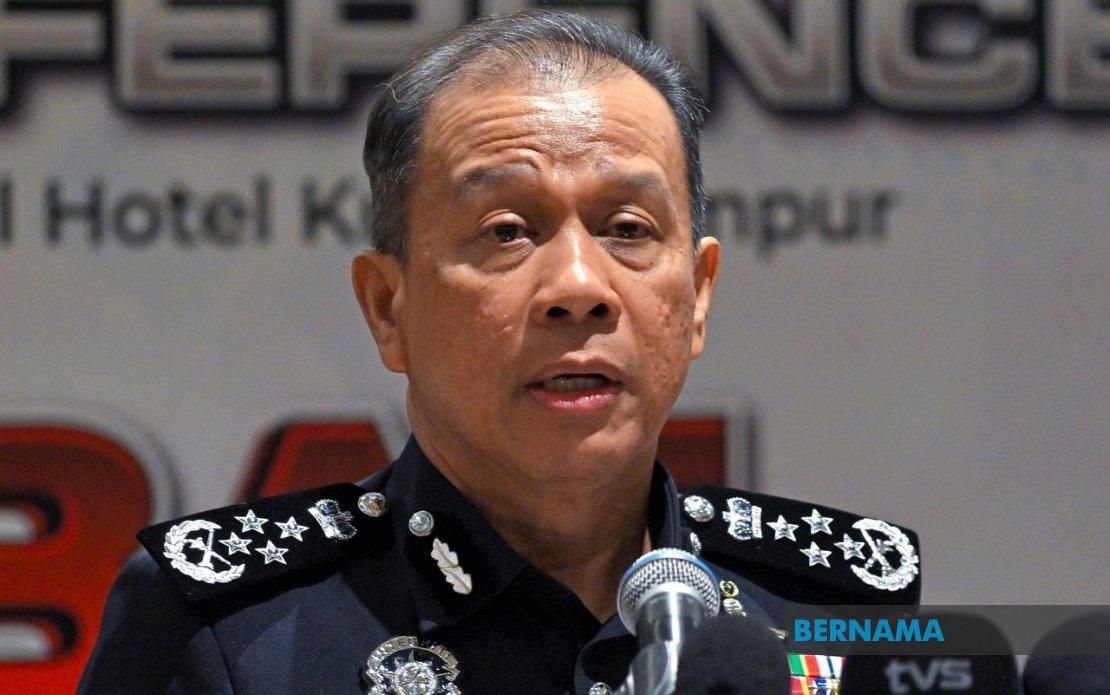
Inspector-General of Police Tan Sri Mohd Khalid Ismail declared the Royal Malaysia Police's commitment to full collaboration with relevant government ministries and agencies in operationalising this security enhancement. The PDRM will coordinate closely with the Home Ministry, the Ministry of Transport, and other stakeholders to develop the practical mechanics of how police personnel will be integrated into Aviation Security, or AVSEC, operations. This administrative groundwork encompasses defining the precise duties officers will undertake, determining where they will be stationed, calculating staffing levels needed across the airport network, delineating clear operational boundaries, and establishing robust information-sharing protocols between law enforcement and existing aviation security structures.
The strategic rationale behind this move centres on the belief that police integration will substantially amplify Malaysia's capacity to detect security threats before they materialise. By positioning trained law enforcement personnel within the AVSEC ecosystem, authorities anticipate that intelligence gathering capabilities will be significantly enhanced, enabling faster identification of suspicious patterns and coordinated responses to emerging risks. The police force brings investigative expertise and criminal intelligence networks that complement the technical and procedural competencies traditionally housed within dedicated airport security organisations. This layering effect—combining access controls, screening operations, comprehensive security vetting, and threat assessment protocols with direct police involvement—is intended to create a more resilient security perimeter.
The initiative also reflects sophisticated security thinking around systemic vulnerabilities. The Inspector-General emphasised that tighter, integrated, and intelligence-driven security controls are expected to bolster the country's preventive capabilities while simultaneously eliminating operational gaps that criminal elements might otherwise exploit. Such gaps have evidently proven problematic; the incident involving the Malaysian pilot represents not merely an individual transgression but a failure of the broader system to intercept illicit activity. By deploying PDRM officers directly within AVSEC frameworks, authorities hope to create a more seamless security continuum where law enforcement can intervene more swiftly when suspicious conduct is detected.
For Malaysia's aviation industry and travelling public, this development carries significant implications. The country's airports serve as critical nodes in regional and global aviation networks, and security breaches—whether involving smuggling, trafficking, or worse—pose reputational damage and operational risk. Airlines operating from Malaysian hubs depend on public confidence in security standards; incidents involving personnel smuggling contraband erode that confidence. The police deployment should theoretically strengthen the deterrent effect, signalling to would-be offenders that screening mechanisms now involve uniformed law enforcement with investigative powers and statutory authority to pursue criminal prosecution.
The specific catalyst for this decision warrants examination. The apprehension of a Malaysian pilot in Indonesia highlights how regional cooperation on aviation security remains incomplete. Individual ASEAN member states maintain separate and sometimes disconnected security protocols, creating circumstances where an individual can pass through Malaysian airport systems and later face detention across a border. This suggests that even as Malaysia strengthens domestic security, the country must simultaneously deepen information-sharing arrangements with neighbouring states. The pilot incident may thus prompt not only unilateral measures but also multilateral security dialogues within ASEAN frameworks.
Implementation challenges should be anticipated. Integrating police personnel into AVSEC operations requires careful coordination of command structures, as civil aviation authorities typically exercise operational control at airports while police forces maintain their own hierarchies and accountability mechanisms. Defining the precise mandate of deployed officers—whether they function as security screeners, intelligence analysts, response personnel, or some combination—will shape their effectiveness. Training requirements will also be substantial; officers must acquire specialised knowledge of aviation security protocols, threat assessment methodologies specific to airport environments, and coordinated procedures with civilian AVSEC staff.
From a Southeast Asian perspective, Malaysia's approach may influence security policy across the region. Several ASEAN nations face comparable vulnerabilities in their aviation sectors, including exposure to transnational smuggling networks and limited domestic capacity to conduct sophisticated threat detection. Should the PDRM deployment prove operationally successful, neighbouring countries may adopt similar models, creating a more uniform regional security baseline. This standardisation could enhance the effectiveness of multilateral cooperation, as police forces operating under broadly similar AVSEC protocols would more readily exchange intelligence and coordinate responses to transnational threats.
The government's assurance that flight safety and the security of national entry and exit points will remain paramount underscores the seriousness of this initiative. The statement carries implicit recognition that previous arrangements may have been inadequate, though it avoids directly criticising existing AVSEC personnel or structures. Rather, the framing emphasises additive enhancement—police presence strengthens rather than replaces existing mechanisms. This diplomatic language reflects sensitivity to the professional standing of current airport security staff while acknowledging that systemic improvements are necessary.
Looking forward, the effectiveness of this measure will depend heavily on execution. Interdepartmental coordination between the PDRM, Home Ministry, Ministry of Transport, and airport operators must be seamless; bureaucratic friction could undermine security gains. Resource allocation will prove critical; adequate staffing levels must be maintained across Malaysia's multiple airport facilities, from major hubs like Kuala Lumpur International Airport to secondary gateways serving regional routes. Additionally, the security community must remain alert to the possibility that motivated criminal networks will adapt their tactics in response to enhanced police presence, potentially shifting their operational focus to airports or routes with lighter enforcement.
The Cabinet's decision represents a tangible policy response to a concrete security failure, though whether it addresses root causes or merely symptoms remains an open question. The involvement of the PDRM in AVSEC operations may enhance tactical security, yet sustained effectiveness requires ongoing commitment to training, interagency coordination, and intelligence development. Malaysian policymakers and security professionals have signalled their readiness to strengthen aviation security; whether that commitment translates into substantive improvements in detecting and preventing criminal exploitation of air transport systems will become evident as the deployment progresses.

