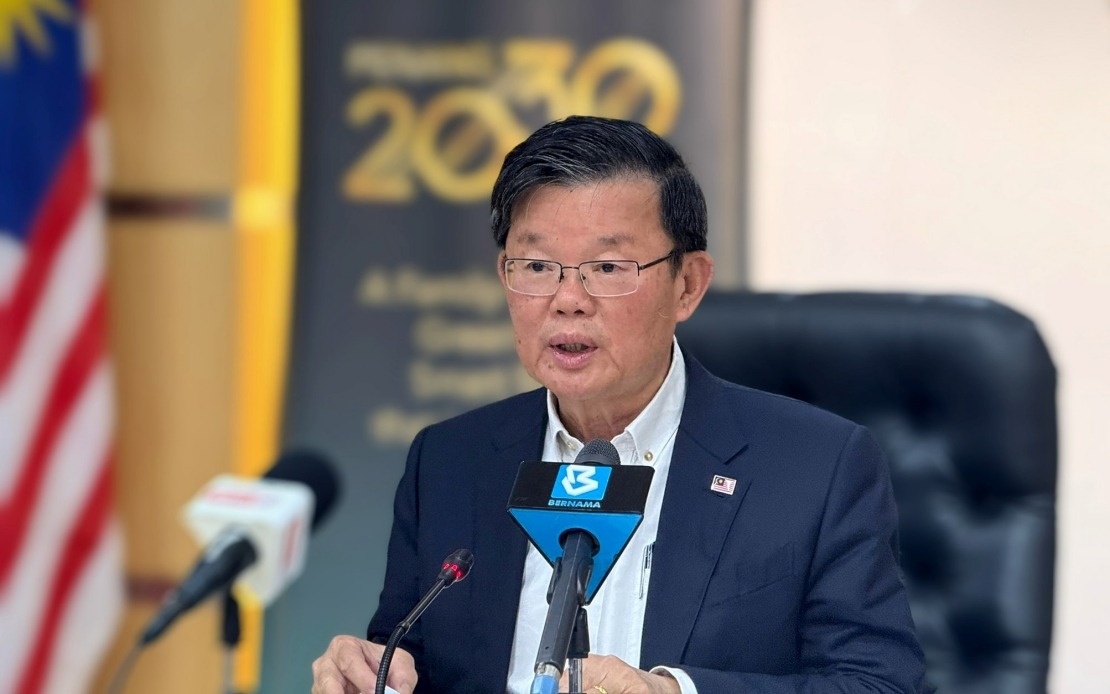
Penang's Pakatan Harapan coalition is entering a new phase of electoral preparation, with Chief Minister Chow Kon Yeow directing all party subcommittees to convene meetings and deliver comprehensive progress reports by early August. The move signals a deliberate shift toward systematic assessment and strategic refinement in anticipation of the coming general election, reflecting lessons learned from the 2023 state contest and a determination to consolidate the coalition's position as a preferred governing force.
Chow's announcement, delivered at a George Town press conference on July 15, underscores the coalition's commitment to a methodical self-evaluation process. Rather than resting on the laurels of the 2023 state election victory, PH intends to undertake a thorough review and analysis spanning multiple operational dimensions. This approach recognises that electoral mandates, once obtained, require continuous maintenance and strategic adaptation to remain relevant to voters whose preferences and concerns evolve with changing circumstances.
The coalition's emphasis on addressing weaknesses whilst simultaneously capitalising on existing strengths reveals a pragmatic understanding of competitive electoral politics. By soliciting feedback and guidance from stakeholders, PH aims to transform constructive criticism into concrete improvements. This openness to external perspectives suggests an institutional maturity that acknowledges no party possesses all answers and that collaborative input strengthens strategic planning.
For Malaysian observers, the regional significance of Penang's strategic recalibration extends beyond state boundaries. As one of the nation's most economically dynamic and politically competitive states, Penang serves as a bellwether for broader coalition dynamics within the larger political landscape. The manner in which PH manages its internal processes and coalition relationships in Malaysia's second-most-urbanised state often foreshadows developments that influence national political calculations.
The stability of Penang's Unity Government remains a central pillar of PH's current positioning. Chow's explicit confirmation that cooperation among coalition partners—comprising DAP, PKR, Amanah, and BN—continues without friction reflects a carefully maintained equilibrium. The absence of tensions, he noted, suggests no constituent party is pursuing unilateral initiatives that might destabilise the arrangement. This stability contrasts sharply with political instability witnessed in other Malaysian states and underscores the pragmatic compromise that underpins the broader Unity Government at federal level.
The 2023 Penang state election results established the foundation upon which current preparations rest. With PH and BN collectively capturing 29 of 40 contested seats, DAP's sweep of all 19 contested seats, PKR's seven seats, Amanah's single seat, and BN's two seats, the coalition holds a commanding majority. However, numerical strength alone does not guarantee electoral longevity; sustained voter confidence requires demonstrable governance performance and responsive policy implementation.
Chow's emphasis on maintaining voter trust reflects a strategic awareness that Penang's electorate comprises educated, informed citizens with high expectations of governmental efficiency and transparency. The state's economic importance and cosmopolitan character mean voters regularly evaluate coalition performance against both domestic and international benchmarks. Strategic preparations must therefore address not merely internal party mechanics but substantive governance outcomes that resonate with this discerning electorate.
The timing of this strategic review carries particular significance within Malaysia's electoral calendar. With national and state elections subject to five-year cycles following the 2023 contests, Penang's coalition has adequate runway for implementation of strategic adjustments whilst maintaining momentum toward the next electoral cycle. Early August deadline for subcommittee reports allows sufficient time for comprehensive policy refinement and organisational restructuring before the year concludes.
For PKR, DAP, and Amanah, this Penang initiative carries implications for their respective national positioning. The state coalition's success provides a template for managing multi-party arrangements that, despite ideological differences and competing institutional interests, function effectively. As these parties navigate their roles within the federal Unity Government, Penang's experience offers valuable lessons in maintaining coalition coherence whilst preserving individual party identities and policy autonomy.
The broader Malaysian political context suggests that coalition stability increasingly determines electoral outcomes. Voters have demonstrated willingness to support united opposition or government fronts when convinced of their viability and governance capability. PH's Penang coalition, by deliberately investing in strategic refinement and transparent communication about its strengths and weaknesses, projects an image of political maturity that contrasts favourably with parties perceived as internally fractious or strategically adrift.
As preparation efforts intensify over coming months, the coalition's ultimate electoral success will depend on translating strategic refinement into visible improvements in service delivery, economic management, and policy innovation. Penang voters, accustomed to reasonably efficient governance and competitive elections, will assess whether the coalition's introspective process yields tangible results or remains largely ceremonial. The coming election, whenever called, will test whether enhanced strategy translates into sustained electoral support.

