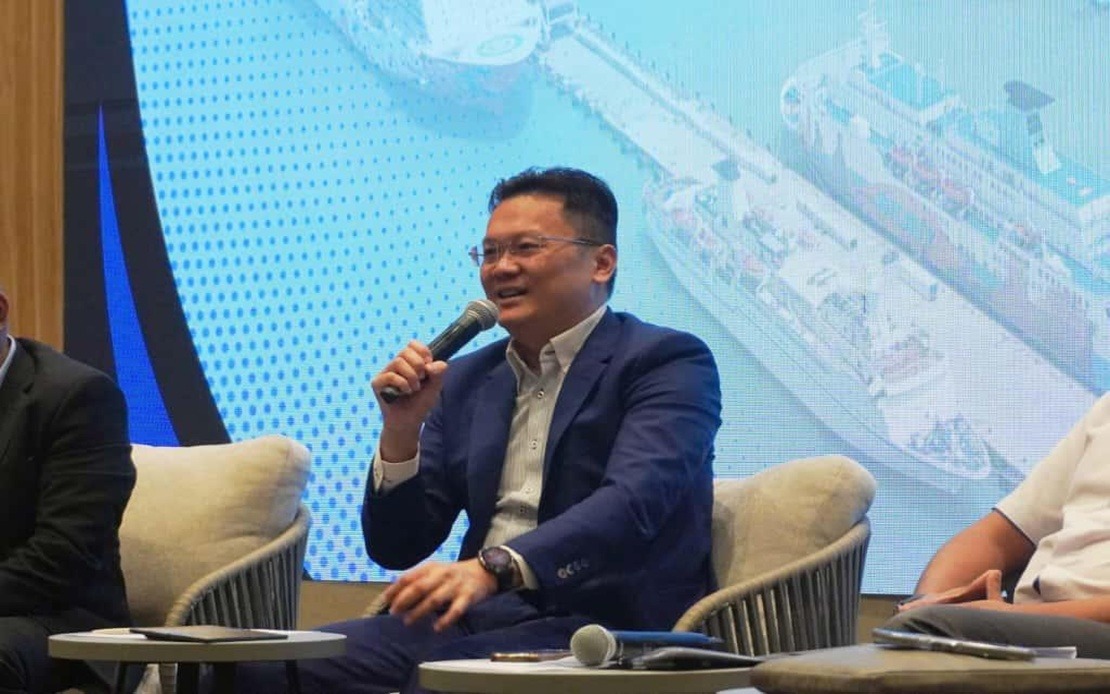
The Penang Port Commission has introduced a comprehensive framework for managing waste generated by vessels docking at Malaysia's second-largest container port, marking a significant step toward operationalising the government's Green Port ambitions. Under the new Standard Operating Procedure, all activities involving the handling of ship-generated waste at Penang Port must now follow standardised protocols that balance operational efficiency with environmental accountability. PPC chairman Datuk Yeoh Soon Hin framed the initiative as essential infrastructure for the port's transition towards lower-carbon operations while maintaining legal compliance across multiple regulatory domains.
The regulatory architecture underpinning the new SOP reflects the complexity of maritime waste management in a busy international shipping hub. Before commencing operations, waste management companies must secure not only a licence from PPC but also separate approvals from the Department of Environment, the National Water Services Commission (SPAN), the Royal Malaysian Customs Department, and relevant local authorities. This multi-layered approval process ensures that operators meet environmental standards, customs requirements, and local ordinances simultaneously—a coordination challenge that underscores why Malaysia's ports have historically struggled with pollution control. By concentrating approval responsibility within PPC, the port authority has effectively positioned itself as the central regulatory gatekeeper for all ship waste activities.
The SOP divides ship-generated waste into three distinct categories, each requiring different handling protocols and disposal pathways. Scheduled waste from ships—materials classified as hazardous under Malaysian environmental law—demands the most stringent procedures and documentation. Domestic waste, including dunnage materials used for cargo securing, occupies a middle category with moderate regulatory requirements. Sewage waste from vessels represents the third stream, subject to specific treatment standards before discharge or transfer to licensed facilities. This taxonomy reflects international maritime conventions while accommodating Malaysia's domestic regulatory framework, allowing operators to apply proportionate controls to different waste streams.
Operators bear full responsibility for conducting waste quantity verification with vessels and maintaining comprehensive documentation throughout the disposal process. After completing waste handling operations, companies must submit declaration documents—including disposal notes and discharge records—to both PPC and relevant government agencies. This post-operation reporting requirement creates an auditable trail that enables regulators to track waste from point of generation aboard ship through to final disposal, significantly reducing opportunities for illegal dumping or underreporting that has plagued some regional ports. The documentation requirement also serves a secondary purpose: it generates data that helps PPC identify trends in waste composition and volume, informing future policy adjustments.
Yeoh positioned the new framework as aligned with Transport Minister Anthony Loke's broader Green Port vision, a policy initiative that extends beyond Penang to Malaysia's entire port network. The minister has been instrumental in pushing Malaysian ports toward environmental certification and sustainable operations practices, recognising that global shipping increasingly penalises ports with poor environmental records through higher berthing fees or reputational sanctions. For Penang Port specifically, strengthening waste controls serves multiple strategic objectives: reducing marine pollution in the Strait of Malacca, demonstrating environmental leadership to international shipping clients, and supporting Malaysia's commitments under regional maritime agreements.
The enforcement mechanism relies on PPC's capacity to conduct inspections and audits of licensed waste operators, with compliance violations potentially resulting in licence suspension or revocation. This supervisory function represents a substantial operational commitment requiring PPC to develop technical expertise in waste stream identification, proper disposal verification, and environmental impact assessment. The authority has signalled its intention to enhance monitoring over time, suggesting that initial implementation may operate with less intensive oversight as systems are established. For operators, maintaining compliance will require investment in staff training, documentation systems, and potentially in upgrading waste handling infrastructure to meet approved standards.
The policy also creates incentive structures encouraging technological adoption and best-practice improvement. By emphasising waste reduction and increased recycling in PPC's stated objectives, the framework implicitly rewards operators who invest in technologies that minimise waste generation or recover materials for reuse. This carrot-and-stick approach—licensing requirements creating baseline compliance while policy statements encourage innovation—reflects international port best practices where environmental performance becomes a competitive differentiator. Some shipping companies now specifically select ports with strong environmental credentials, meaning Penang's improved waste management could eventually become a commercial advantage.
For Malaysian readers and businesses involved in port operations or shipping, the new SOP represents a hardening of regulatory expectations that will increase compliance costs but also reduce legal exposure. Companies operating waste management services at Penang Port must now budget for multi-agency approval processes that could extend timelines for launching new services. However, the standardised framework also creates clarity and predictability—operators know precisely what approvals they need and what procedures they must follow, eliminating the administrative ambiguity that previously existed. This transition from informal to formalised processes is typical of Malaysia's broader push toward governance professionalisation.
The initiative also carries implications for Malaysia's position within Southeast Asian maritime networks. Ports across Thailand, Indonesia, and Singapore have implemented varying levels of waste management oversight, with Singapore's stringent regulations creating a performance benchmark. By upgrading Penang Port's framework, Malaysia signals alignment with regional environmental standards while potentially attracting vessels and shipping companies that prioritise environmental compliance. The Strait of Malacca region supports some of the world's busiest shipping lanes; improving waste management across ports in the corridor reduces cumulative marine pollution affecting all regional economies dependent on maritime trade.
Looking forward, the effectiveness of Penang Port's new SOP will depend heavily on implementation consistency and resource allocation to enforcement activities. The port authority has indicated it will monitor compliance through inspections and audits, but the frequency and rigour of such monitoring will ultimately determine whether the framework succeeds in reducing marine pollution or remains a paper policy. Regional experience suggests that environmental regulations in ports often face implementation challenges due to competing operational pressures and inadequate regulatory resources. PPC's commitment to continuous enhancement through technology adoption and best-practice sharing suggests management recognises this challenge and is taking proactive steps to sustain compliance momentum beyond the initial policy announcement.

