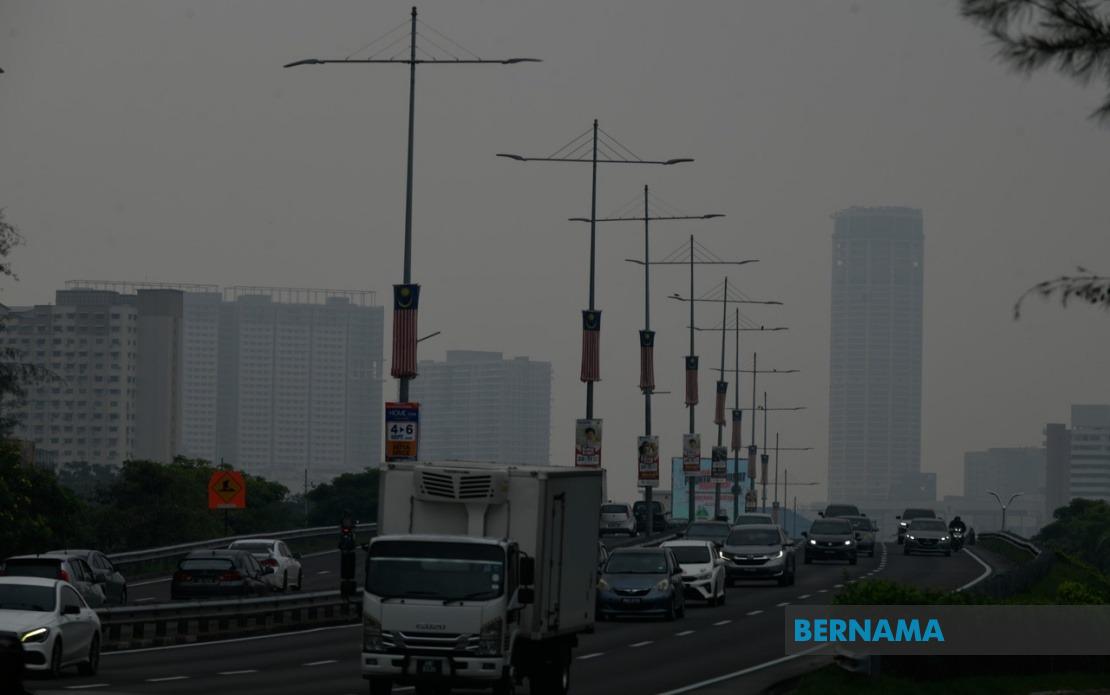
The Penang Education Department has moved swiftly to strengthen institutional readiness across the state's schools as deteriorating air quality poses risks to students and staff. In a directive issued to District Education Offices and educational institutions throughout Penang, authorities have outlined a comprehensive framework designed to protect the health and wellbeing of the school population during periods of hazardous air pollution. The response underscores growing concern about the impact of transboundary air pollution on Malaysia's education system, particularly as recurring haze episodes threaten to disrupt academic calendars and student learning.
The department is actively tracking atmospheric conditions and maintaining close surveillance of Air Pollutant Index measurements recorded at monitoring stations across Penang. School administrators have been instructed to engage in continuous monitoring of API readings and to stay responsive to updated advisories issued by environmental authorities. This real-time awareness approach is intended to enable rapid decision-making and swift implementation of protective measures, ensuring that school leadership can react immediately when pollution levels cross critical thresholds.
The directive establishes clear operational guidelines tied to specific API levels. When readings reach 100, schools must immediately halt all outdoor activities, effectively moving educational and recreational programmes indoors or postponing them entirely. This threshold recognises that moderate pollution levels, while not yet emergency-level, begin to pose measurable health risks particularly to vulnerable populations including children and those with pre-existing respiratory conditions. The measure aims to minimise cumulative exposure during the critical hours when pollution peaks.
Further escalation occurs at an API reading of 200, triggering mandatory school closure. At this unhealthy level, air quality poses significant health risks even to the general population, and authorities determine that maintaining normal school operations becomes untenable. Beyond an API of 500, deemed hazardous, even staff members including teachers and administrative personnel are not required to report for duty, reflecting the severity of conditions and acknowledging that attempting to operate educational services under such circumstances creates unacceptable risk.
The department has specifically mandated that schools ensure adequate supplies of potable water are available at all times. Students are to be actively encouraged to maintain proper hydration, a measure that helps the body manage physiological stress caused by air pollution exposure. Schools are also directed to minimise student time in outdoor environments where possible, restructuring daily routines to keep activities within buildings where indoor air quality is typically better controlled.
Special protective provisions extend to vulnerable student populations. Educational administrators must exercise heightened vigilance regarding students with existing health vulnerabilities or chronic conditions such as asthma, cardiovascular disease, or immune system disorders. Staff are instructed to observe students carefully for symptoms of illness exacerbated by air pollution exposure, including respiratory distress, coughing, and other signs of physical stress. The use of protective face masks is encouraged as an appropriate measure where conditions warrant such precautions, acknowledging that this simple protective device can help reduce inhalation of particulate matter.
Institutional accountability and coordination form another critical component of the response framework. Schools have been required to report all developments, actions taken, and measures implemented to their respective District Education Offices and the state department. This reporting requirement facilitates real-time state-level monitoring and enables education authorities to coordinate responses, identify emerging issues, and share best practices across the Penang school system. The centralised information flow ensures that decision-makers maintain comprehensive situational awareness.
The timing of this directive reflects immediate environmental conditions in Penang. As of early afternoon on the date of the announcement, the Department of Environment recorded unhealthy API levels in 29 locations nationwide, with Penang areas including Minden, Seberang Perai, and Balik Pulau among the affected regions. This distribution underscores that haze impact is not uniform across Penang, with coastal and urban centres experiencing particularly pronounced pollution episodes, though the state-wide nature of the advisory indicates that conditions could deteriorate more broadly.
Penang's approach mirrors broader Southeast Asian responses to recurring transboundary haze, a persistent regional challenge driven by seasonal agricultural burning and industrial activity. The establishment of API-linked trigger points for activity restrictions and closures represents standard practice among Malaysian educational authorities, yet implementation remains challenging in contexts where schools serve as essential childcare facilities and where frequent closures disrupt academic continuity. For Malaysian parents and educators, the framework reflects a balancing act between safeguarding immediate health and maintaining educational progress.
The haze phenomenon carries particular implications for Malaysia's education sector given the nation's exposure to both domestic and cross-border pollution sources. Students and young people represent particularly vulnerable populations from a health perspective, with developing respiratory systems and higher baseline physical activity levels meaning children experience greater pollution exposure per unit of air volume inhaled. Chronic exposure to hazardous air quality during critical developmental years raises concerns about long-term pulmonary function and overall health outcomes.
Beyond the immediate health dimension, recurring haze-related school closures and activity restrictions create substantive educational equity issues. Students from better-resourced schools with strong digital infrastructure can pivot more readily to remote learning during closures, whereas those in under-resourced institutions may lose instructional time entirely. The cumulative effect across an academic year can widen achievement gaps, placing additional burden on already disadvantaged learners.
For Malaysian policymakers and regional stakeholders, the Penang directive reflects the necessity of treating transboundary air pollution as an ongoing structural challenge requiring sustained investment in both monitoring infrastructure and long-term solutions. While immediate protective measures protect students during pollution episodes, addressing root causes through regional cooperation, enforcement of environmental regulations, and promotion of sustainable land use practices remains essential for reducing the frequency and severity of future haze events.

