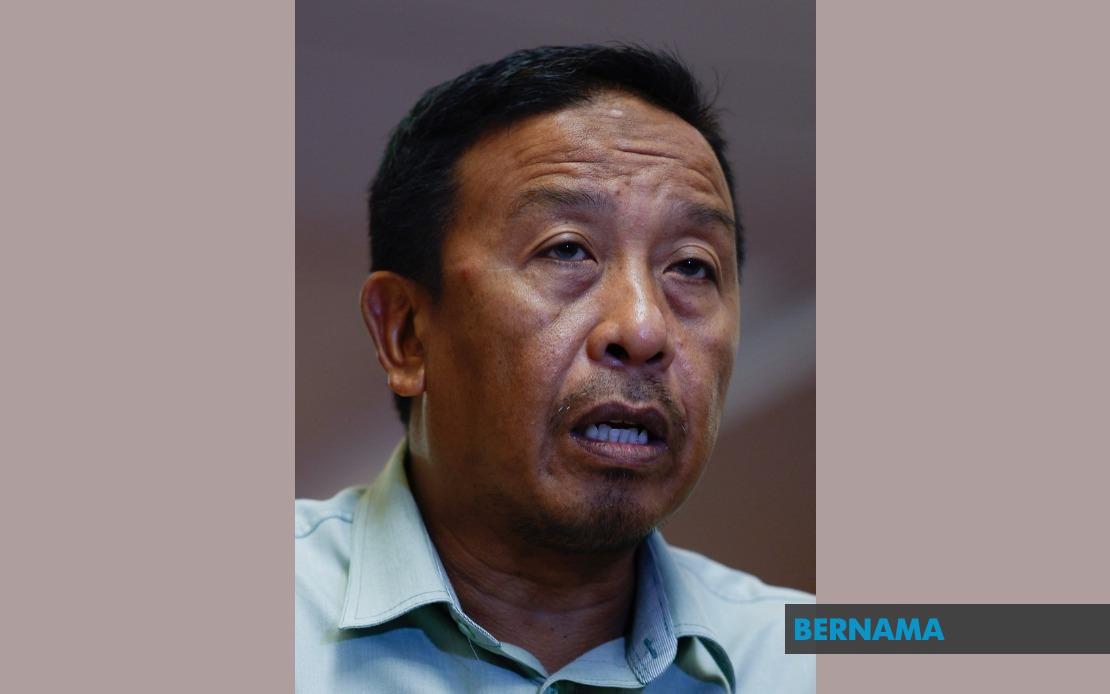
Malaysia's Department of Wildlife and National Parks, known as Perhilitan, has announced plans to establish a dedicated task force aimed at reviewing and enhancing the regulatory framework and operational guidelines that govern the use of elephants in public processions and events. The initiative follows significant public criticism triggered by a video that circulated widely on social media depicting elephants participating in a community programme in Pasir Tumboh, Kelantan, raising concerns among animal welfare advocates about the treatment and conditions of the animals during such occasions.
Director-general Datuk Abdul Kadir Abu Hashim revealed that the review process would extend beyond Perhilitan's internal mechanisms to involve collaboration with multiple government institutions. The matter has been escalated to both the Integrity Unit within the Natural Resources and Environmental Sustainability Ministry and the Governance Investigation Division of the Malaysian Anti-Corruption Commission, reflecting the government's intention to conduct a comprehensive assessment of current practices and strengthen the institutional framework that oversees wildlife management in ceremonial and public contexts.
The controversy centres on an event organised under the MADANI Community Programme, where the Kelantan Land and Mines Office had sought permission from Perhilitan to showcase elephants alongside other wildlife species to local communities in Kampung Pasir Tumboh, located in Kota Bharu. According to Abdul Kadir, the department had received the formal application on May 25 and subsequently reviewed it through its established approval mechanisms, with the Special Permit Application Committee granting authorisation on June 16 based on what the department described as adherence to existing standard operating procedures.
Perhilitan currently operates under a set of standard operating procedures specifically designed for elephant processions that date back to December 31, 2016. These guidelines establish the baseline requirements for how elephants can be incorporated into public events and community programmes. The department maintains that prior to the Kelantan event, all selected elephants underwent mandatory health assessments to ensure they were physically fit for participation, and that welfare evaluations were systematically conducted before the programme commenced, during its execution, and following its conclusion. Abdul Kadir emphasised that these measures were conducted strictly in accordance with the department's established protocols.
The viral video and resulting public discourse have highlighted growing awareness among Malaysian communities regarding animal welfare standards in public events. The incident reflects broader regional and global trends in which social media amplifies concerns about animal treatment, enabling rapid mobilisation of public opinion and intensifying pressure on regulatory authorities to demonstrate their commitment to safeguarding animal welfare. For Perhilitan, the challenge lies in balancing the cultural and community value of wildlife engagement programmes with the legitimate welfare concerns raised by animal rights advocates and the general public.
The establishment of the task force signals that Perhilitan recognises the need to update and potentially strengthen its existing frameworks, which have remained largely unchanged for nearly a decade. This review process presents an opportunity to incorporate contemporary best practices in animal welfare, drawing on international standards and scientific understanding of elephant behaviour and wellbeing. The involvement of the Integrity Unit and the anti-corruption commission suggests that the government is also examining whether current approval processes contain sufficient checks and accountability mechanisms to prevent potential abuses or oversights.
For Malaysian wildlife management more broadly, this development underscores the evolving expectations of a digitally connected and increasingly conscious public. Citizens now have the capacity to scrutinise government decisions in real time and mobilise collective action through online platforms. Perhilitan's proactive response demonstrates institutional responsiveness to public feedback, though it also reveals potential gaps in the department's communication strategy and public engagement regarding wildlife management policies.
Abdul Kadir appealed to the public to exercise caution in sharing information online, urging Malaysians to verify facts before disseminating content that could generate confusion or misinformation. This reflects a broader concern within government agencies about navigating the complex media landscape where unverified claims can rapidly achieve viral status. The statement implicitly acknowledges that not all viral content contains accurate or complete information, and that context and expert assessment are essential for informed public discourse on technical matters such as wildlife welfare.
Citizens wishing to lodge complaints or provide feedback regarding Perhilitan's operations have been directed to utilise the department's dedicated hotline at 1-800-88-5151 or to submit formal complaints through the Public Complaints Management System, known as SISPA, accessible via Perhilitan's official website. These channels provide structured mechanisms for public engagement and enable the department to document and respond systematically to citizen concerns. The commitment to listening to and acting on public feedback represents an important aspect of administrative accountability, particularly in sectors touching on environmental and animal welfare concerns that resonate strongly with Malaysian society.

